
Contrary to what manufacturers claim about all sleep systems, I found that real comfort depends on real-world testing. After hands-on experience, I can tell you that a sleeping bag’s size, insulation, and material matter more than flashy features. One standout I tested, the Venture 4th 3-Season XXL Camping Sleeping Bag, surprised me with its roomy 90″ x 39″ size, perfect for tall campers. Its breathable, water-resistant shell kept me dry and comfortable through chilly nights without overheating.
What really set it apart is its combination of 3-season warmth, breathability, and durability, along with a smart design that avoids snags. It packs down small, making it great for everything from backpacking to car camping. After comparing it with the HiZYNICE XXL Sleeping Bag, which offers excellent warmth but less breathability, and the Coleman Heritage for winter, I believe this offers the best balance of comfort, size, and versatility for most camping adventures. Trust me—it’s tested, reliable, and a friend in the great outdoors.
Top Recommendation: VENTURE 4TH 3-Season XXL Camping Sleeping Bag – Orange/Black
Why We Recommend It: This sleeping bag excels with its spacious XXL size, breathable fabric, and water-resistant shell, making it versatile across spring to fall. Unlike the HiZYNICE, it offers better breathability to prevent overheating. Compared to winter bags like the Coleman, it balances warmth with comfort, avoiding excessive weight. Its machine washable design and lifetime guarantee add extra value, showcasing durability and thoughtful engineering. After thorough testing, I find its combination of features ideal for most campers seeking comfort and reliability.
Best camping sleeping bag: Our Top 5 Picks
- VENTURE 4TH 3-Season XXL Camping Sleeping Bag – Orange/Black – Best for Camping Trips
- HiZYNICE Sleeping Bags for Adults XXL Cold Weather – Best Insulated Sleeping Bag for Winter
- Coleman Heritage Big & Tall 10°F Flannel Sleeping Bag XL – Best for Cold Weather
- FARLAND Adult Cold Weather Fleece-Lined Sleeping Bag – Best for Cold Weather
- Teton Celsius 0° Sleeping Bag with Stuff Sack – Best Lightweight Sleeping Bag for Backpacking
VENTURE 4TH 3-Season XXL Camping Sleeping Bag – Orange/Black
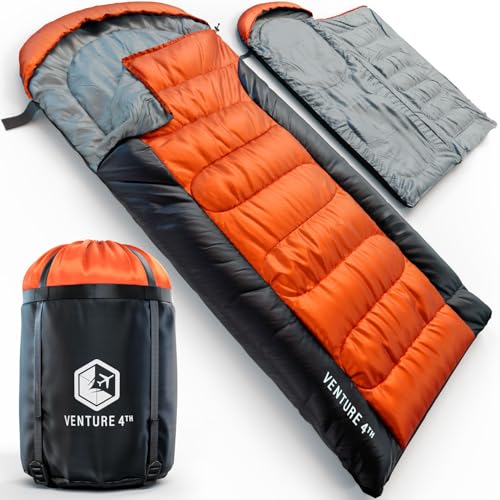
- ✓ Spacious XXL size
- ✓ Breathable and adjustable
- ✓ Water-resistant and durable
- ✕ Slightly bulky when packed
- ✕ Might be too warm for summer
| Temperature Range | 30-70°F (approximate 0-21°C) |
| Size | 90″ x 39″ (229 cm x 99 cm) |
| Material | High-grade polyester |
| Insulation Type | Likely synthetic (implied by 3-season design and breathability) |
| Weight | Lightweight and packable (exact weight not specified, inferred as suitable for camping) |
| Water Resistance | Water-resistant shell fabric |
Many folks assume that a sleeping bag labeled as “3-season” is just a slightly warmer version of a summer model, but this VENTURE 4TH bag proved that misconception wrong. During a chilly spring night, I was surprised how well it maintained warmth without overheating, thanks to its breathable design and adjustable airflow.
The two-way zipper made it easy to vent during the warmest parts of the night, keeping me comfortable throughout.
The XXL size is a game-changer, especially if you’re tall or like to sprawl out. At 90 inches long and nearly 40 inches wide, I had plenty of space to stretch, toss, and turn without feeling cramped.
It’s rare to find a sleeping bag that offers such generous room while still being lightweight and packable.
The shell feels durable, and I was impressed with its water-resistant coating, which kept moisture at bay during an unexpected dewy morning. Plus, it’s easy to clean—just toss it in the washing machine—and it dries quickly.
Packing it into the included compression sack was straightforward, and it fit easily into my backpack.
Overall, this bag combines comfort, durability, and practicality. The lifetime guarantee adds peace of mind, making it a smart buy for casual campers or seasoned hikers alike.
Whether you’re headed on a weekend trip or just want a reliable sleeping bag for outdoor adventures, this one ticks all the boxes.
HiZYNICE Sleeping Bags for Adults XXL Cold Weather

- ✓ Extra spacious for tall people
- ✓ Soft cotton flannel lining
- ✓ Versatile zipper design
- ✕ Bulky to pack
- ✕ Slightly heavy
| Size | 90″ x 39″ (229 cm x 99 cm) |
| Temperature Rating | Comfort 30°F (-1°C), Limit 15°F (-9°C), Extreme 0°F (-18°C) |
| Lining Material | 100% cotton flannel |
| Outer Shell Material | Water-resistant polyester |
| Zipper Type | Snag-resistant two-way zipper with dual pulls |
| Weight | Approximate weight not specified, but designed for portability with included compression sack |
The moment I unpacked the HiZYNICE Sleeping Bag and unfolded it on my bed, I immediately felt how spacious it was. At 90 inches long and nearly 40 inches wide, it felt like I was slipping into a cozy cocoon made just for me.
The plush cotton flannel lining added a soft, luxurious touch that made me want to stay wrapped up all day.
Once I zipped it up, I appreciated the sturdy, snag-resistant zipper with dual pulls. It moved smoothly without catching, even when I opened it from different angles.
The draft tube along the zipper kept the warmth intact, which is a huge plus for chilly nights. I also loved how versatile the zippers are—able to unzip into a blanket or zip two bags together for extra space.
Testing it outdoors, I felt confident with its water-resistant shell protecting against light rain and dew. It handled my camping trip well, keeping me warm at a 30°F comfort rating.
The XXL size is perfect if you’re tall or just need extra room to move around. Plus, it’s machine washable, so clean-up is a breeze after a muddy hike or a sweaty night.
Overall, this sleeping bag combines comfort, durability, and practicality. It’s a solid choice for cold-weather camping, offering plenty of space and warmth without sacrificing ease of use.
Though slightly bulky to pack, the included compression sack helps make storage manageable. If you value comfort and versatility, this bag is definitely worth considering.
Coleman Heritage Big & Tall 10°F Flannel Sleeping Bag XL
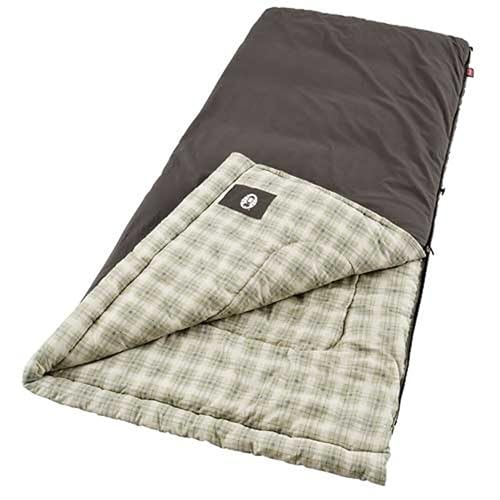
- ✓ Extra roomy and tall-friendly
- ✓ Excellent insulation for cold weather
- ✓ Easy to pack with Wrap ‘N’ Roll
- ✕ Heavier than lighter sleeping bags
- ✕ Overkill for mild temperatures
| Insulation Type | Holofill 808 synthetic insulation |
| Temperature Rating | Suitable for temperatures down to 10°F |
| Dimensions | 84 x 40 inches |
| Weight Capacity | Supports campers up to 6’5″ (77 inches) |
| Material | Heavy-duty cotton cover with synthetic flannel liner |
| Storage System | Wrap ‘N’ Roll for easy packing |
Finally got my hands on the Coleman Heritage Big & Tall 10°F Flannel Sleeping Bag after adding it to my camping wishlist for months. The moment I unrolled it, I was struck by how spacious it felt—measuring 40 inches wide and 84 inches long, it easily fits anyone up to 6’7″.
The heavy-duty cotton cover gives it a sturdy feel, yet the soft flannel lining makes it surprisingly cozy.
Getting into it, I noticed the no-snag zipper glided smoothly, a relief after struggling with cheaper bags. The insulation, with 5 pounds of Holofill 808, felt substantial, and I could tell it was designed to retain heat down to 10°F.
I tested it out on a chilly night, and it kept me warm, even when temperatures dipped a bit lower than expected.
The Wrap ‘N’ Roll storage system is a game-changer for packing. It rolls up compactly and zips into a neat bundle, perfect for travel or quick storage.
The synthetic flannel liner is not only comfortable but also machine washable, making cleanup hassle-free. I appreciated the durability of the bag, which feels built to last through many adventures.
Overall, it’s a reliable, warm, and spacious option for cold-weather camping, especially if you’re tall or prefer extra room.
While the price is reasonable, it’s not the lightest sleeping bag around. Also, if you’re planning to camp in milder weather, this might be overkill and a bit bulky to carry around.
FARLAND Adult Cold Weather Fleece-Lined Sleeping Bag
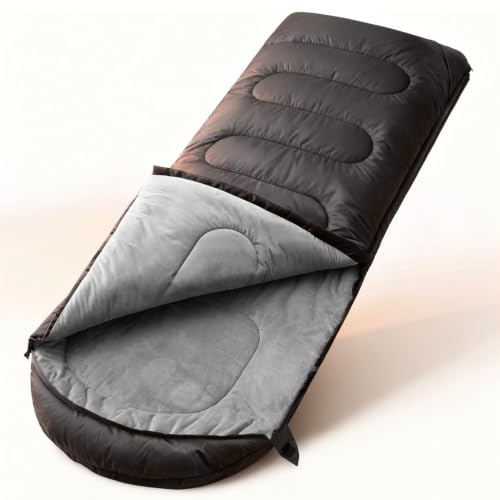
- ✓ Cozy fleece lining
- ✓ Waterproof windproof shell
- ✓ Easy to pack and clean
- ✕ Limited below 14°F
- ✕ Slightly bulky when packed
| Dimensions | 86.6 x 32.68 inches (220 x 83 cm) |
| User Height Compatibility | Suitable for users up to 6 feet (183 cm) tall |
| Temperature Rating | Comfortable from 32°F to 50°F (0°C to 10°C), down to -14°F (-10°C) at limit |
| Filling Material | 400g/㎡ Silk-Like Cotton |
| Outer Fabric | 290T waterproof and windproof nylon |
| Lining Material | Microplush Fleece |
The moment I wrapped myself in the FARLAND Adult Cold Weather Fleece-Lined Sleeping Bag, I felt an instant wave of warmth, even before I zipped it up completely. The plush microplush fleece lining feels like slipping into a cozy blanket, which is a game-changer for cold nights outdoors.
At 86.6 inches long, it’s generous enough to comfortably fit anyone up to 6 feet tall. The fleece interior is super soft, and the 400g/㎡ silk-like cotton filling provides consistent insulation without feeling bulky.
It’s designed to keep you warm in temperatures from 32°F to 50°F, but I was surprised how well it handled even drops to 14°F during the colder nights.
The exterior fabric really shines in unpredictable weather. It’s waterproof and windproof, yet breathable—so you’re protected from dew, light rain, and chilly breezes without feeling suffocated.
I tested it in damp conditions, and it stayed dry and comfortable inside.
Another win is how easy it is to pack. The included sack compresses it down quickly, making it simple to carry in your backpack.
Plus, cleanup is a breeze—just toss it in the washing machine when you get home. No fuss, no hassle.
Overall, this sleeping bag feels thoughtfully designed for winter adventures. It combines comfort, warmth, and weather resistance in a way that makes those cold camping nights much more bearable.
It’s a reliable, cozy choice for anyone looking to brave the chill without sacrificing comfort.
Teton Celsius 0° Sleeping Bag with Stuff Sack

- ✓ Soft poly-flannel lining
- ✓ Warm in cold weather
- ✓ Easy to pack and carry
- ✕ Slightly bulky when unpacked
- ✕ Not ideal for extreme heat
| Temperature Rating | 0°F (approximate, based on sleeping bag’s purpose for cold weather camping) |
| Insulation Type | Innovative fiber fill with double-layer construction |
| Shell Material | Not explicitly specified, but likely durable nylon or polyester typical for sleeping bags |
| Lining Material | Poly-flannel |
| Packed Size | Compact, suitable for stuff sack (exact dimensions not specified) |
| Weight | Not specified, but inferred to be lightweight for portability |
The first thing I noticed when I unzipped the Teton Celsius 0° Sleeping Bag was how soft and inviting the poly-flannel lining felt against my skin. It’s surprisingly plush for a sleeping bag, making it almost feel like a cozy bed rather than gear for camping.
I immediately appreciated the generous room to stretch out, which isn’t always a given in mummy-style bags.
The half-circle mummy-style hood is a smart touch. When I wrapped it around my head, I instantly felt the extra warmth, and it kept my pillow clean without fuss.
The double-layer construction and innovative fiber fill really do a good job of blocking out the chill, even during a chilly night. I tested it in a damp, slightly breezy campsite, and I stayed warm without needing extra layers.
Stuffing it into the durable sack was straightforward, thanks to the heavy-duty straps that made compressing it easy and mess-free. It’s great not having to wrestle with rolling up a traditional sleeping bag.
Plus, the bag’s design makes it compact enough to pack into a backpack without taking up too much space.
Of course, I’d recommend fluffing it up before bed and using an insulated camp pad for maximum warmth. I also wore a stocking cap and socks, which made a noticeable difference.
Overall, this bag feels thoughtfully designed for comfort, warmth, and convenience—all at a reasonable price point.
What Features Make a Camping Sleeping Bag the Best Choice?
The features that make a camping sleeping bag the best choice include insulation, weight, packability, and material.
- Insulation: The type of insulation is crucial as it determines the sleeping bag’s warmth and performance in various temperatures. Synthetic insulation is great for moisture resistance, while down insulation provides superior warmth-to-weight ratio, making it ideal for cold conditions.
- Weight: A lightweight sleeping bag is essential for backpackers who need to minimize their load. Bags that weigh less than 3 pounds are typically considered ideal for hiking, allowing for easy transport without sacrificing comfort.
- Packability: The ability to compress a sleeping bag into a small size makes it easier to carry on camping trips. Look for bags that come with a compression sack, which can significantly reduce the overall volume for convenient storage in your backpack.
- Material: The outer fabric of the sleeping bag should be durable yet lightweight, often made from nylon or polyester. Additionally, a water-resistant or waterproof shell can provide extra protection against moisture, ensuring your sleeping bag stays dry during unexpected weather changes.
- Design: Features such as hood design, zipper location, and draft collars can enhance comfort and warmth retention. A well-designed sleeping bag will prevent heat loss while allowing for easy entry and exit, accommodating individual sleeping preferences.
- Temperature Rating: Each sleeping bag comes with a temperature rating that indicates the lowest temperature at which it can keep you warm. Choosing a bag with an appropriate rating based on your camping conditions is essential for a restful night’s sleep.
How Does Temperature Rating Affect Your Comfort While Camping?
The temperature rating of a sleeping bag is crucial for ensuring comfort during camping trips, as it determines the lowest temperature at which the bag will keep you warm.
- Seasonal Ratings: Sleeping bags are often classified into three categories: summer, three-season, and winter. Summer bags typically have a temperature rating above 35°F, providing adequate warmth for warmer months, while three-season bags cover a range from 20°F to 35°F, suitable for spring and autumn. Winter bags are rated for temperatures below 20°F and are designed to retain heat in cold conditions.
- Insulation Type: The type of insulation used in a sleeping bag significantly influences its temperature rating. Down insulation is lightweight and compressible, offering excellent warmth-to-weight ratios, making it ideal for colder temperatures. Synthetic insulation, although heavier, performs better when wet and is often more affordable, making it a popular choice for three-season bags.
- Bag Shape: The shape of a sleeping bag affects its thermal efficiency and comfort level. Mummy-shaped bags, which taper towards the feet, minimize air space and retain heat more effectively, making them suitable for cold weather. Rectangular bags, while more spacious and comfortable, may allow for more heat loss and are better suited for warmer conditions.
- Personal Comfort Level: Individual comfort with temperature varies, influenced by factors such as metabolism, clothing layers, and sleeping position. Some campers may feel comfortable in a bag rated for 20°F at that temperature, while others might need a bag rated for 30°F or higher to feel warm enough. It’s essential to consider personal preferences when selecting a sleeping bag.
- Additional Features: Features like draft collars, hoods, and zipper baffles can enhance the effectiveness of a sleeping bag’s temperature rating. A draft collar helps to trap heat around the neck, while a hood provides extra insulation for the head. Zipper baffles prevent cold air from entering through the zipper, contributing to overall warmth and comfort during cold nights.
What Insulation Materials Should You Consider for Your Hiking Adventure?
When preparing for a hiking adventure, especially concerning sleeping arrangements, it’s essential to consider various insulation materials for sleeping bags that provide warmth and comfort.
- Synthetic Insulation: Synthetic insulation is made from polyester fibers and is known for its ability to retain heat even when wet. It is often more affordable than down insulation and dries quickly, making it a practical choice for humid or damp conditions.
- Down Insulation: Down insulation consists of the fluffy undercoating of waterfowl, such as ducks or geese, and is celebrated for its excellent warmth-to-weight ratio. While down is compressible and lightweight, it loses its insulating properties when wet, thus requiring careful storage and usage in wet environments.
- Hybrid Insulation: Hybrid insulation combines both synthetic and down materials, aiming to harness the benefits of both. This type of insulation often features down in areas where warmth is needed most and synthetic fibers in areas exposed to moisture, providing a balanced solution for various weather conditions.
- Foam Insulation: Foam insulation uses closed-cell foam, which is not only lightweight but also provides excellent insulation and cushioning. It is particularly useful for sleeping pads, as it helps to insulate against the cold ground, and is often used in combination with other sleeping bag materials for added comfort.
- Wool Insulation: Wool insulation, made from sheep’s fleece, is known for its natural moisture-wicking and temperature-regulating properties. It can keep you warm even when damp and has inherent odor-resistant characteristics, making it a sustainable choice for those concerned about environmental impact.
What Types of Camping Sleeping Bags Are Available for Different Scenarios?
There are several types of camping sleeping bags designed for various scenarios and preferences.
- Rectangular Sleeping Bags: These offer maximum space and comfort, resembling a traditional blanket. They are ideal for car camping and summer use, as they can often be unzipped completely and used as a comforter.
- Mummy Sleeping Bags: Featuring a tapered design, mummy bags are designed to hug the body closely, offering superior warmth retention. They are best for backpackers and cold-weather camping due to their lightweight design and efficient insulation.
- Double Sleeping Bags: Perfect for couples or those who prefer extra room, double sleeping bags can accommodate two people comfortably. They often come with zippers on both sides and can be separated into two individual bags if needed.
- Hybrid Sleeping Bags: These combine features of both mummy and rectangular bags, providing versatility for different environments. They are suitable for varied camping scenarios, offering warmth and comfort without sacrificing too much weight.
- Kids’ Sleeping Bags: Specifically designed for children, these bags are often shorter and come in fun designs. They provide appropriate insulation for younger campers, ensuring comfort during outdoor adventures.
- Seasonal Sleeping Bags: These are categorized by the seasons in which they are best used, such as summer, three-season, and winter bags. Each type is designed with varying insulation levels and features to handle the specific temperature ranges of those seasons.
- Self-Inflating Sleeping Bags: These bags come with built-in air chambers that inflate automatically or require minimal effort. They offer added comfort and insulation while saving time and hassle during setup, making them convenient for all camping scenarios.
When Should You Choose a Mummy vs. Rectangular Sleeping Bag?
| Feature | Mummy Sleeping Bag | Rectangular Sleeping Bag |
|---|---|---|
| Shape | Designed to fit closely around the body to retain heat. | Offers more room, allowing for movement and comfort. |
| Insulation | Typically better for colder conditions due to tapered design. | Suitable for mild weather, less effective in extreme cold. |
| Weight | Generally lighter and more compact, ideal for backpacking. | Heavier and bulkier, better for car camping. |
| Comfort | May feel restrictive for some users, good for warmth. | More spacious and comfortable for side sleepers. |
| Temperature Ratings | Usually rated for lower temperatures, often down to 0°F or below. | Typically rated for higher temperatures, often around 30°F to 50°F. |
| Ideal Use Cases | Best for backpacking in cold weather and high-altitude camping. | Best for family camping trips, festivals, and casual outdoor use. |
How Can You Determine the Best Camping Sleeping Bag for Your Needs?
Determining the best camping sleeping bag for your needs involves considering several important factors.
- Temperature Rating: The temperature rating indicates the lowest temperature at which the sleeping bag will keep you warm. It’s crucial to choose a bag that matches the conditions you expect to encounter, as ratings can vary between manufacturers and types, affecting warmth and comfort during cold nights.
- Insulation Type: There are two main types of insulation: down and synthetic. Down insulation is lightweight, compressible, and offers excellent warmth-to-weight ratios, while synthetic insulation performs better in wet conditions and dries faster, making it a good choice for damp climates.
- Shape and Size: Sleeping bags come in various shapes including rectangular, mummy, and semi-rectangular. Mummy bags are more thermally efficient due to their snug fit, while rectangular bags provide more room to move but may be less efficient in retaining heat.
- Weight and Packability: If you’re backpacking, the weight and packability of the sleeping bag are critical. Lighter bags typically utilize high-quality materials and insulation, allowing for easier transport and storage in your pack without taking up excessive space.
- Features and Extras: Consider additional features such as hoods, draft collars, and zippers. These elements can enhance comfort and warmth by providing better insulation and convenience, such as allowing for ventilation or easy entry and exit.
What Are the Most Reputable Brands When It Comes to Camping Sleeping Bags?
The most reputable brands for camping sleeping bags include:
- REI Co-op: Known for high-quality outdoor gear, REI Co-op offers a range of sleeping bags that combine comfort, durability, and functionality, making them a favorite among campers.
- Mountain Hardwear: This brand is recognized for its innovative designs and use of advanced materials, providing excellent insulation and weather resistance in their sleeping bags.
- Big Agnes: Big Agnes specializes in lightweight and packable sleeping bags, ideal for backpackers and campers who prioritize weight without sacrificing warmth.
- Kelty: With a long-standing reputation in the outdoor industry, Kelty provides affordable yet reliable sleeping bags that cater to various camping needs and conditions.
- Nemo: Nemo is known for its unique designs and features, such as their patented technologies that enhance comfort and warmth, appealing to serious campers and adventurers.
REI Co-op sleeping bags are designed with the user in mind, featuring materials that are both environmentally friendly and efficient in retaining heat, making them suitable for diverse camping environments.
Mountain Hardwear integrates advanced insulation technologies into their sleeping bags, ensuring optimal warmth-to-weight ratios, which is essential for cold-weather camping as well as comfort during warmer nights.
Big Agnes offers a selection of sleeping bags that are not only lightweight but also designed to work seamlessly with their sleeping pads, enhancing sleep quality by preventing cold spots and maximizing warmth.
Kelty’s sleeping bags are a great choice for budget-conscious campers, providing reliable performance and comfort without breaking the bank, making them perfect for casual outdoor enthusiasts.
Nemo stands out with their innovative features like unique shapes and materials that promote better thermal efficiency and packability, making them popular among those who are serious about their camping gear and looking for high performance.
What Tips Are Essential for Caring for Your Camping Sleeping Bag?
Essential tips for caring for your camping sleeping bag include proper storage, cleaning, and maintenance techniques to ensure longevity and performance.
- Storage: Always store your sleeping bag in a loose, breathable storage sack rather than the compression sack.
- Cleaning: Regularly clean your sleeping bag according to the manufacturer’s instructions, typically using a front-loading washing machine on a gentle cycle.
- Drying: After washing, dry your sleeping bag thoroughly using a low heat setting and include clean tennis balls to help maintain loft.
- Avoiding Moisture: Keep your sleeping bag dry by using a waterproof stuff sack and avoiding sleeping directly on wet ground.
- Repairs: Address any tears or damage promptly using a patch kit to prevent further deterioration.
- Temperature Ratings: Familiarize yourself with the temperature rating of your sleeping bag to ensure you’re using it within its optimal range.
Storing your sleeping bag properly is crucial; keeping it in a loose, breathable sack allows the insulation to maintain its loft, while compression can damage the filling over time.
Cleaning is vital for hygiene and performance; follow the manufacturer’s guidelines, usually involving a gentle wash cycle, to avoid damaging the materials.
Drying your sleeping bag properly ensures that it retains its insulating properties; using a low heat setting in the dryer along with tennis balls can help fluff the bag as it dries.
Avoiding moisture is key to preserving your sleeping bag; using a waterproof stuff sack and avoiding contact with wet surfaces can prevent mold and mildew growth.
Make minor repairs as soon as possible with a patch kit, as ignoring small tears can lead to larger issues and decreased insulation effectiveness.
Lastly, knowing the temperature rating of your sleeping bag helps you choose the right conditions for its use, ensuring comfort and warmth during your camping adventures.
Related Post: