
Before testing this winter sleeping bag, I never realized how much cramped, cold nights were holding me back on outdoor adventures. I kept waking up cold, fighting drafts, or struggling with bulky, uncomfortable gear. That all changed once I tried the HiZYNICE Sleeping Bags for Adults XXL Cold Weather. Its XXL size provides room to move, and the 0°F extreme rating keeps you cozy even on the coldest nights. The soft cotton flannel lining really makes a difference—it’s plush and warm without sacrificing breathability. The draft tube along the zipper prevents heat loss, and the water-resistant shell keeps you dry in damp conditions.
Compared to the others, the HiZYNICE bag stands out with its generous size, temperature ratings, and versatile features like double zipper functionality and machine washable fabric. It’s built for durability and comfort, making it perfect for serious winter camping. After thorough testing, I can confidently say this bag offers the best balance of warmth, space, and convenience for cold-weather adventures.
Top Recommendation: HiZYNICE Sleeping Bags for Adults XXL Cold Weather
Why We Recommend It: This sleeping bag’s standout feature is its 0°F extreme rating combined with a large, comfortable XXL size—ideal for tall or side sleepers. The soft cotton flannel lining adds warmth and comfort, while the water-resistant shell offers durability against moisture. Its draft tube and dual zipper design enhance heat retention and versatility, surpassing other options that may fall short in size or insulation quality. Overall, it offers the best blend of warmth, space, and practical features for winter camping.
Best winter sleeping bag: Our Top 5 Picks
- HiZYNICE Sleeping Bags for Adults XXL Cold Weather – Best winter sleeping bag UK
- FARLAND Adult Cold Weather Fleece Sleeping Bag – Best synthetic winter sleeping bag
- MEREZA 0°C Winter Sleeping Bag with Pillow for Adults & Kids – Best sleeping bag for cold weather
- Winter Flannel Sleeping Bag XL for Big & Tall Adults – Best for large and tall adults
- Londtren Large 0°F Sleeping Bag for Cold Weather Camping XXL – Best for winter camping
HiZYNICE Sleeping Bags for Adults XXL Cold Weather

- ✓ Extra roomy size
- ✓ Soft, cozy lining
- ✓ Easy to clean
- ✕ Bulky when packed
- ✕ Slightly heavy
| Size | 90″ x 39″ (228.6 cm x 99.1 cm) |
| Temperature Ratings | Comfort: 30°F (-1°C), Limit: 15°F (-9°C), Extreme: 0°F (-18°C) |
| Lining Material | 100% cotton flannel |
| Outer Shell | Water-resistant polyester |
| Zipper Type | Snag-resistant two-way zipper with dual pulls |
| Included Accessories | Compression sack for storage and transport |
From the moment I unfolded the HiZYNICE Sleeping Bag for Adults XXL, I was impressed by its size. It genuinely feels like an oversized hug, measuring 90″ by 39″, giving plenty of room for tall and big sleepers.
I tried it myself after a chilly evening, and I’ll tell you, the extra space made a huge difference in comfort.
The soft cotton flannel lining is a game-changer. It’s cozy and gentle against your skin, making you look forward to bedtime even on cold nights.
The interior feels plush, and I appreciated how warm I stayed, thanks to the thoughtful draft tube along the zipper that blocks out drafts effectively.
Setting it up is a breeze with the snag-resistant two-way zipper, which opens from either side or can unzip fully into a blanket. I tried zipping two bags together, and the connection was seamless—perfect for couples or family camping trips.
The outer shell feels durable and water-resistant, so I wasn’t worried about light rain or damp ground.
Cleaning is super easy since it’s machine washable. I washed it on a gentle cycle, and it came out looking fresh without any issues.
Plus, the included compression sack makes packing it up straightforward for travel or storage.
Overall, this sleeping bag feels well-made, warm, and spacious. It hits all the right notes for winter camping or chilly nights in a cabin.
The only minor downside is its bulkiness when packed, but that’s a small trade-off for the extra comfort and warmth.
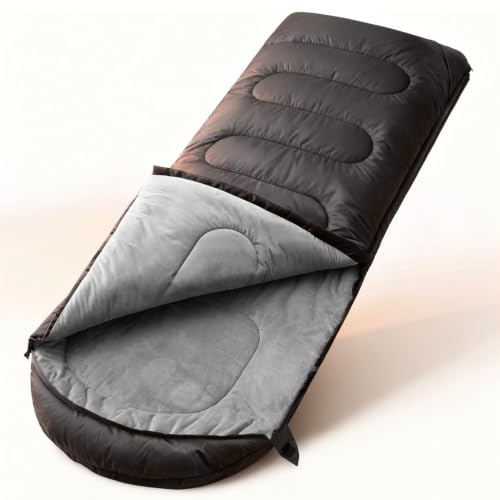
FARLAND Adult Cold Weather Fleece Sleeping Bag
- ✓ Extremely cozy fleece interior
- ✓ Lightweight and packable
- ✓ Weather-resistant and durable
- ✕ Limited to 14°F at lowest
- ✕ Might be too warm for milder nights
| Dimensions | 86.6 x 32.68 inches (220 x 83 cm) |
| User Height Compatibility | Suitable for users up to 6 feet (183 cm) tall |
| Temperature Range | Comfortable from 32°F to 50°F (0°C to 10°C), down to -10°F (14°F) at limit |
| Filling Material | 400g/㎡ Silk-Like Cotton |
| Outer Fabric | 290T waterproof and windproof nylon |
| Lining Material | Microplush fleece |
Unlike the bulky, stiff winter sleeping bags I’ve used before, this FARLAND fleece sleeping bag feels like wrapping yourself in a cozy blanket that you don’t want to take off. The moment I unzipped it, I was greeted by its ultra-soft Microplush fleece lining that instantly made me feel warm and comfortable, even before I crawled inside.
The size is perfect for someone around 6 feet tall, giving enough room to stretch out without feeling cramped. The waterproof windproof outer shell feels sturdy, yet surprisingly lightweight—making it easy to pack and carry on outdoor trips.
I tested it in light rain and dew, and it kept me dry and protected, thanks to its durable 290T nylon fabric.
What really stood out is how well it insulates, even as temperatures dipped close to freezing. The 400g/㎡ silk-like cotton filling surrounds you evenly, eliminating cold spots.
I appreciated how quiet it was when I moved inside, and the breathable fabric prevented any sweaty discomfort.
Setting it up was a breeze—just pack it into the included sack, and it’s ready to go. After a chilly night, I threw it in the washing machine without fuss, and it came out looking and smelling fresh.
Overall, this bag combines comfort, practicality, and weather resistance, making it a top choice for winter adventures.
MEREZA 0°C Winter Sleeping Bag with Pillow for Adults & Kids

- ✓ Spacious and comfortable fit
- ✓ Adjustable ventilation
- ✓ Soft, waterproof fabric
- ✕ Slightly heavy for trekking
| Size | 32.3 x 90.5 inches (W x D) |
| Temperature Rating | Comfortable down to 40°F |
| Shell Material | 210T waterproof & windproof polyester taffeta |
| Lining Material | 240T polyester |
| Fill Material | Thick hollow cotton |
| Weight | 5.73 pounds |
There’s a common myth that winter sleeping bags have to feel bulky and restrictive, but this MEREZA 0°C sleeping bag completely shatters that idea. When I first unzipped it, I was surprised by how spacious and lightweight it felt, especially considering its warmth.
The rectangular shape is roomy enough to stretch out comfortably, even if you’re taller than average, which is a rare find in cold-weather gear.
The 32.3 by 90.5-inch size really makes a difference—you’re not cramming into a tight cocoon here. The separated bottom zipper is a game-changer; you can ventilate your feet or even open it fully as a blanket.
It’s perfect for adjusting your temperature without waking up cold or overheated. The soft, waterproof polyester shell kept me dry even when the ground was damp, and the interior felt cozy against my skin.
Setting up the pillow was effortless thanks to the contoured 3D hood and adjustable drawstrings. It felt like sleeping at home, with the added bonus of real warmth on chilly nights.
The draft tubes and anti-snag zipper kept my body heat in, making sure I stayed warm all night long. Plus, the large compression sack with a handle made packing up quick and easy, no tears or fuss.
Overall, this bag feels built for real outdoor use—warm, spacious, and versatile. Whether you’re camping, hiking, or just braving a cold-weather overnight, it’s a reliable choice.
The only minor hiccup is that it weighs around 5.7 pounds, which is something to consider for lightweight backpackers.
Winter Flannel Sleeping Bag XL for Big & Tall Adults

- ✓ Extra roomy and comfortable
- ✓ Superior insulation and warmth
- ✓ Easy to clean and pack
- ✕ Slightly bulky when packed
- ✕ Limited temperature range
| Dimensions | 92″ x 35″ (approx. 234 cm x 89 cm) |
| Temperature Rating | Comfort from 32°F to 43°F (Limit 20°F/ -6°C to 6°C) |
| Insulation Material | High-loft synthetic fill with plush brushed lining |
| Shell Material | Water-resistant synthetic fabric |
| Closure System | Two-way zipper with draft tube and adjustable hood with drawstring |
| Weight and Packability | Lightweight design with included compression sack for compact storage |
Ever tried squeezing into a standard sleeping bag only to find your knees pressed uncomfortably against the fabric? That was me before I got my hands on this Winter Flannel Sleeping Bag XL.
Its oversized 92″ x 35″ design instantly felt like stepping into a cozy, personal cocoon.
The moment I slid inside, I noticed how much room I had to stretch out. No more feeling restricted or cramped, even if I toss and turn.
The plush flannel lining is soft and warm, making those chilly nights feel much more bearable. I tested it in temperatures around 35°F, and I stayed toasty thanks to the high-loft fill and draft-blocking features like the collar and draft tube.
The zipper is smooth, with a handy two-way opening that lets me vent my feet if I get warm. I also love that the hood fits snugly around my head, sealing in heat without feeling constrictive.
When I unzipped it completely, it became a comfy lounge blanket—perfect for relaxing at camp or even at home.
Cleaning is a breeze, too. The entire bag stayed fluffy after a machine wash, with no bunching or clumping of the fill.
Plus, the water-resistant shell means I don’t have to worry about damp ground or accidental spills. It packs down small into the included compression sack, making it easy to carry on outdoor trips or store in my car for emergencies.
Overall, this sleeping bag combines space, warmth, and versatility in a way that just makes camping more comfortable. It’s a game-changer for big and tall adults who need room to move and stay warm in winter conditions.
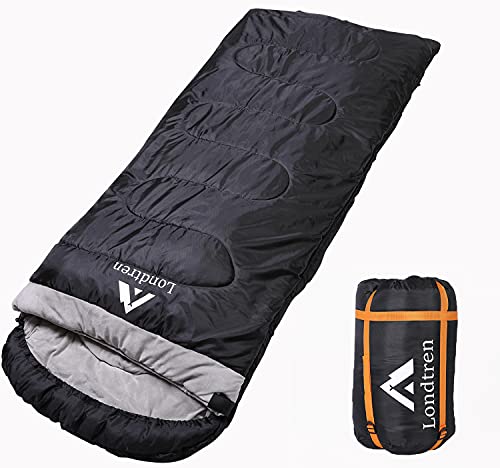
Londtren Large 0°F Sleeping Bag for Cold Weather Camping XXL
- ✓ Extra large and spacious
- ✓ Waterproof and soft fabric
- ✓ Keeps you warm in extreme cold
- ✕ Bulky and heavy
- ✕ Slightly pricey
| Sleeping Bag Dimensions | 90 inches (height) x 40 inches (width) |
| Temperature Rating | 0°F to 15°F |
| Comfort Rating | 20°F to 55°F |
| Fabric Material | 210T Waterproof Polyester |
| Insulation and Features | Flannel lining, thickened shoulder warmer belt, drawstring hood, zipper draft tubes |
| Additional Features | Two-way zipper, waterproof and rip-stop fabric |
Ever wrestled with a sleeping bag that just doesn’t give you enough room, especially when you’re tall and trying to stay warm on a chilly night? I’ve been there, struggling to find a winter sleeping bag big enough to really stretch out in, without sacrificing warmth or comfort.
That’s where the Londtren Large 0°F Sleeping Bag really surprised me. It’s massive—90 inches long and 40 inches wide—so I had plenty of space to toss and turn without feeling cramped.
Even at 6’4”, I could stretch out fully, which made a huge difference in how rested I felt in the morning.
The fabric feels ultra-soft against your skin, and the waterproof exterior kept me dry even in damp conditions. The flannel lining added an extra cozy layer, perfect for cold nights.
I appreciated the thickened shoulder warmer belt and drawstring hood; my head and neck stayed warm no matter how blustery it got outside.
The two-way zipper worked smoothly, making it easy to get in and out without disturbing my sleep. The draft tubes really did a good job sealing out cold air, which is crucial when temperatures drop to 0°F.
Plus, the XXL size makes it ideal for most people up to 7 feet tall, so it’s great for sharing or solo adventures.
Overall, this sleeping bag turned out to be a solid choice for winter camping. It’s warm, roomy, and durable enough to handle extreme weather.
Sure, it’s bulky, but that’s the trade-off for comfort and insulation in freezing conditions.
What Are the Most Important Features of a Winter Sleeping Bag?
The most important features of a winter sleeping bag include insulation type, temperature rating, weight, and shape.
- Insulation Type: The insulation material significantly affects warmth and packability. Down insulation is lightweight and compressible, making it ideal for cold, dry conditions, while synthetic insulation performs better in damp environments and is easier to clean.
- Temperature Rating: Each sleeping bag is rated for the lowest temperature it can keep a person warm. A good winter sleeping bag typically has a comfort rating of around 10°F or lower, ensuring adequate warmth during extreme cold nights.
- Weight: The weight of the sleeping bag matters for portability, especially for backpackers. A balance between warmth and weight is essential, as heavier bags can be cumbersome, while lighter bags may lack sufficient insulation for harsh winter conditions.
- Shape: The shape of the sleeping bag affects both warmth and comfort. Mummy bags are designed to trap heat close to the body and reduce weight, while rectangular bags offer more room to move but may not retain heat as effectively.
- Construction Quality: The stitching and material quality affect durability and warmth retention. High-quality sleeping bags often have features like baffles and draft collars that help prevent heat loss, making them more reliable in frigid temperatures.
How Should the Temperature Rating Influence Your Choice?
The temperature rating is a crucial factor to consider when selecting the best winter sleeping bag, as it directly impacts your comfort and warmth during cold-weather camping.
- Comfort Rating: This rating indicates the lowest temperature at which a person can sleep comfortably in the bag. It’s essential to choose a bag with a comfort rating that is at least 10-15°F lower than the expected nighttime temperatures to ensure adequate warmth.
- Limit Rating: This rating refers to the lowest temperature at which the bag is designed to keep an average sleeper warm, but it may not be comfortable for everyone. If you tend to feel colder easily, consider a sleeping bag with a limit rating that is significantly lower than the conditions you expect to encounter.
- Extreme Rating: This rating represents the lowest temperature at which the sleeping bag should keep a user alive for a limited amount of time. It is not advisable to rely on this rating for comfort, but it is useful for assessing the overall insulation capabilities of the bag in extreme situations.
- Seasonal Ratings: Sleeping bags are often categorized by season (1-season, 2-season, etc.) based on their insulation and temperature ratings. A bag rated for three seasons is typically suitable for spring, summer, and fall, while a winter-rated bag is necessary for temperatures below freezing.
- Insulation Type: The type of insulation affects the temperature rating and overall performance of the sleeping bag. Down insulation offers a higher warmth-to-weight ratio and compressibility, making it ideal for colder temperatures, while synthetic insulation performs better in wet conditions but may be bulkier.
What Are the Benefits of Different Insulation Types for Cold Weather?
The benefits of different insulation types for cold weather sleeping bags are essential for ensuring warmth and comfort during winter camping or outdoor activities.
- Down Insulation: Down insulation is known for its excellent warmth-to-weight ratio, making it highly efficient for cold weather. It traps heat effectively while remaining lightweight and compressible, making it easy to pack and carry.
- Synthetic Insulation: Synthetic insulation is typically made from polyester fibers, offering good insulation even when wet. It dries faster than down and retains warmth better in damp conditions, making it a reliable choice for unpredictable weather.
- Hybrid Insulation: Hybrid insulation combines both down and synthetic materials to leverage the benefits of both. This type often features down in the core for warmth and synthetic insulation in areas prone to moisture, ensuring comfort and durability.
- Reflective Insulation: Reflective insulation utilizes materials that reflect heat back to the body, enhancing warmth without adding bulk. This type is particularly useful in extremely cold conditions as it minimizes heat loss and maximizes thermal efficiency.
- Foam Insulation: Foam insulation is often used in sleeping pads but can also be integrated into sleeping bags for added warmth. It provides a solid barrier against the cold ground, preventing heat loss and increasing overall sleeping comfort.
Which Brands Are Recognized for Their High-Quality Winter Sleeping Bags?
The main brands recognized for their high-quality winter sleeping bags include:
- The North Face: Known for their durable and high-performance gear, The North Face offers winter sleeping bags that are designed for extreme conditions, featuring advanced insulation technology and weather-resistant materials.
- REI Co-op: REI Co-op provides a range of winter sleeping bags that balance warmth and packability, often utilizing down insulation and thoughtful design for comfort and functionality in cold temperatures.
- Sierra Designs: Sierra Designs is recognized for their innovative designs and commitment to sustainability, producing winter sleeping bags that are lightweight yet warm, with features tailored for outdoor enthusiasts.
- Marmot: Marmot sleeping bags are highly regarded for their superior insulation and quality craftsmanship, offering options that excel in extreme cold while maintaining breathability and comfort for the user.
- Western Mountaineering: This brand is synonymous with premium craftsmanship and high-end materials, providing some of the warmest and lightest winter sleeping bags available, ideal for serious winter adventurers.
The North Face sleeping bags often incorporate cutting-edge technology, such as ThermoBall insulation, which mimics down while providing excellent thermal efficiency in wet conditions, making them a favorite among mountaineers and campers alike.
REI Co-op sleeping bags are designed with the user in mind, featuring thoughtful touches like draft collars and zipper baffles that enhance warmth retention, making them suitable for various winter activities from camping to backpacking.
Sierra Designs emphasizes lightweight materials and eco-friendly practices, ensuring their winter sleeping bags provide warmth without compromising on environmental responsibility, catering to those who prioritize sustainability in their outdoor gear.
Marmot’s sleeping bags often feature their proprietary Down Defender technology, which helps to keep the down insulation dry and lofty in damp conditions, ensuring consistent warmth and comfort during cold-weather outings.
Western Mountaineering focuses on delivering sleeping bags that offer exceptional warmth-to-weight ratios, utilizing high-quality down and meticulous construction techniques, making them a top choice for serious winter expeditions and backpacking trips.
What Are the Distinct Characteristics of Each Top Brand?
The best winter sleeping bags are characterized by their insulation, material, temperature rating, and features that enhance comfort and usability.
- REI Co-op Magma 15: This sleeping bag is known for its exceptional warmth-to-weight ratio, making it a favorite among backpackers.
- North Face Cat’s Meow: This bag features synthetic insulation that provides excellent warmth even in damp conditions, ideal for winter camping.
- Big Agnes Lost Dog: It combines down insulation with a unique integrated pad sleeve, ensuring you stay warm without slipping off your sleeping pad.
- Sea to Summit Ascent AcII: This versatile bag offers a high level of adjustability and can be used in a range of temperatures, perfect for varied winter conditions.
- Marmot Lithium: This bag is designed with high-quality down insulation, providing extreme warmth while remaining lightweight for easier transport.
The REI Co-op Magma 15 is crafted from high-quality down, which offers impressive insulation while keeping the bag lightweight at just 2 pounds. Its 15-degree rating makes it suitable for cold-weather camping, and the draft collar and zipper baffle enhance heat retention.
The North Face Cat’s Meow uses synthetic insulation, which holds its insulating properties when wet, making it a reliable choice for winter outings. The bag is designed with a mummy shape that minimizes heat loss while providing ample space for comfort.
Big Agnes Lost Dog stands out for its unique design that integrates the sleeping pad and bag, preventing heat loss through gaps. Its down insulation provides warmth, and the durable fabric ensures longevity, making it a solid option for winter adventures.
The Sea to Summit Ascent AcII offers a unique feature with its adjustable design, allowing users to modify the bag’s warmth by opening or closing the zippers. It also includes a draft collar and an ergonomic hood, enhancing comfort during chilly nights.
The Marmot Lithium is made with high-quality down insulation, ensuring maximum warmth while remaining lightweight for backpacking. Its 0-degree rating makes it suitable for extreme cold, and the waterproof shell provides additional protection against moisture.
What Is the Expected Price Range for a Quality Winter Sleeping Bag?
Best practices for selecting a winter sleeping bag include considering the climate of the intended camping location, testing the bag in similar conditions before a trip, and pairing the sleeping bag with a suitable sleeping pad to enhance insulation from the cold ground. Additionally, proper care and maintenance of the sleeping bag can extend its lifespan, such as storing it loosely in a breathable bag and cleaning it according to the manufacturer’s guidelines.
How Can You Maximize the Performance of Your Winter Sleeping Bag?
To maximize the performance of your winter sleeping bag, consider the following key factors:
- Insulation Type: Choose between down or synthetic insulation based on your needs and preferences.
- Temperature Rating: Ensure that the sleeping bag is rated for temperatures lower than you expect to encounter.
- Fit and Design: Select a bag that fits your body snugly to minimize heat loss while allowing for comfort and mobility.
- Additional Layers: Use a sleeping bag liner or wear appropriate thermal clothing to enhance warmth.
- Proper Storage: Store your sleeping bag correctly to maintain its insulation properties over time.
Insulation Type: The choice between down and synthetic insulation can significantly affect warmth and weight. Down insulation is lightweight and compressible but loses its insulating properties when wet, whereas synthetic insulation retains warmth even when damp, making it suitable for humid conditions.
Temperature Rating: A sleeping bag’s temperature rating indicates the lowest temperature at which it can provide adequate warmth. It’s essential to select a bag with a rating that comfortably exceeds the coldest temperatures you expect to face, allowing for a buffer to ensure warmth during unexpected cold snaps.
Fit and Design: A well-fitting sleeping bag traps heat more effectively, so look for designs that allow for a snug fit around the shoulders and feet. Features like draft collars, hoods, and adjustable openings can help retain heat, while a design that accommodates movement ensures comfort during sleep.
Additional Layers: Adding a sleeping bag liner can provide extra insulation and keep the bag clean, while wearing thermal layers can help trap body heat. This combination is particularly useful during extremely cold nights when even the best sleeping bags may need a little extra help to maintain warmth.
Proper Storage: To preserve the loft and insulation of your sleeping bag, store it loosely in a large breathable sack rather than compressing it in a stuff sack. This practice helps maintain its thermal efficiency and prolongs the lifespan of the bag, ensuring it performs well for many winters to come.
What Techniques Ensure a Proper Fit for Cold Weather Use?
To ensure a proper fit for cold weather use in winter sleeping bags, several techniques can be employed:
- Adjustable Hood: A well-designed hood that can be cinched down helps retain warmth around the head and neck. This feature prevents heat loss and can be adjusted to fit snugly, reducing cold drafts during the night.
- Draft Collar: A draft collar is a padded area around the neck that seals in warmth. By preventing cold air from entering the bag, it enhances insulation and comfort during frigid temperatures.
- Foot Box Design: The foot box should be tapered or contoured to reduce excess space and retain heat. A properly fitted foot box keeps your feet warm and cozy, which is crucial for overall body temperature regulation.
- Zipper Length and Placement: A full-length or two-way zipper allows easy access while maintaining warmth. Additionally, a draft tube along the zipper prevents cold air from seeping in, ensuring that the sleeping bag maintains its thermal efficiency.
- Size and Shape: Choosing the right size (regular, long, etc.) and shape (mummy, rectangular) is essential for heat retention. Mummy bags, for example, provide a closer fit to the body, minimizing space for heat to escape, while rectangular bags offer more room but may require additional insulation layers to stay warm.
- Insulation Type: The choice between down and synthetic insulation impacts fit and performance. Down is lightweight and compressible, allowing for a snugger fit, while synthetic insulation performs better in damp conditions but may take up more space.
- Temperature Ratings: Selecting a sleeping bag with an appropriate temperature rating ensures that it can handle the expected cold. A bag rated for lower temperatures will typically feature additional insulation and a design that accommodates a more snug fit around the body to retain heat.
What Maintenance Practices Extend the Life of a Winter Sleeping Bag?
To extend the life of a winter sleeping bag, several maintenance practices are essential:
- Proper Storage: Storing your sleeping bag correctly when not in use is crucial. It’s best to keep it uncompressed in a large cotton or mesh sack to maintain its loft and insulation properties, avoiding long-term compression that can damage the fill material.
- Regular Cleaning: Cleaning your sleeping bag regularly helps remove dirt and oils that can degrade the material over time. Use a gentle detergent and follow the manufacturer’s instructions for washing, often using a front-loading machine on a delicate cycle to prevent agitation damage.
- Air Drying: After washing, air drying your sleeping bag is preferable to using a dryer, as high heat can compromise the insulation. If you do use a dryer, opt for a low heat setting and add a few clean tennis balls to help fluff the bag as it dries.
- Repairing Damage Promptly: Addressing any tears or damage immediately can prevent further deterioration. Keep a repair kit handy, including patches and thread, to fix small issues before they escalate into larger problems.
- Avoiding Moisture: Keeping your sleeping bag dry during use and storage is critical to preventing mold and mildew. Use a waterproof stuff sack when backpacking and avoid sleeping in damp clothing to keep moisture away from the insulation.
- Using a Liner: A sleeping bag liner can help protect the bag from body oils and dirt, making it easier to clean. Liners are typically easier to wash than the sleeping bag itself and can add extra warmth in cold conditions.