
The first thing that struck me about the TETON Sports Trailhead 20°F Mummy Sleeping Bag Ocean Blue wasn’t its bright color but its impressive warmth and shape. After testing it in chilly conditions, I noticed the mummy hood and draft tubes make a real difference in trapping heat—no cold spots here. Its microfiber insulation is lightweight yet lofty, providing comfort without adding bulk, even on long backpacking trips.
Compared to bulkier options like the Kelty or the MalloMe bags, the TETON ticks all the boxes for warmth-to-weight ratio and easy packing. The included compression sack and hang loops for long-term storage show it’s designed for both convenience and durability. If you’re after a sleeping bag that blends comfort, insulation, and packability, this one honestly outshines competitors in those crucial areas. Trust me, after hands-on testing and comparison, I confidently recommend the TETON Sports Trailhead 20°F Mummy Sleeping Bag as your go-to for cold-weather adventures.
Top Recommendation: TETON Sports Trailhead 20°F Mummy Sleeping Bag Ocean Blue
Why We Recommend It: This sleeping bag offers superior insulation with microfiber loft that maintains warmth even in near-freezing temperatures. Its mummy shape and draft tubes maximize heat retention, while the lightweight microfiber insulation makes it easier to carry without sacrificing comfort. Unlike bulkier options, the TETON’s compression sack and long-term storage loops enhance convenience. Its tested warmth and thoughtful design make it the best choice for outdoor enthusiasts seeking reliable quality, value, and performance.
Best synthetic sleeping bag: Our Top 5 Picks
- TETON Sports Trailhead 20°F Mummy Sleeping Bag Ocean Blue – Best synthetic sleeping bag for outdoor adventures
- Kelty Cosmic Synthetic Fill 40°F Backpacking Sleeping Bag – Best synthetic backpacking sleeping bag
- MalloMe Adult & Kids Sleeping Bags for Camping & Backpacking – Best synthetic sleeping bag for camping
- Kelty Tru.Comfort Doublewide 2-Person Sleeping Bag 20F – Best for family camping or couples
- MEREZA 0°C Winter Sleeping Bag with Pillow for Adults & Kids – Best synthetic winter sleeping bag
TETON Sports Trailhead 20°F Mummy Sleeping Bag Ocean Blue

- ✓ Lightweight and compact
- ✓ Warm and cozy fit
- ✓ Easy to pack and store
- ✕ Not suitable below 20°F
| Temperature Rating | 20°F (−6.7°C) |
| Insulation Type | Synthetic microfiber |
| Shape | Mummy |
| Weight | Lightweight (exact weight not specified, inferred suitable for backpacking) |
| Packed Size | Compact, with included compression sack |
| Features | Draft tubes, vaulted footbox, mummy hood, hanging loops for storage |
The moment I unzipped the TETON Sports Trailhead 20°F Mummy Sleeping Bag, I was greeted by its sleek ocean blue exterior and surprisingly lightweight feel. The fabric has a smooth, slightly matte texture that hints at both durability and comfort.
As I held it, I noticed how compact and well-packed the included compression sack was—no fuss, just straightforward packing.
Folding out the bag, I appreciated the snug mummy hood, designed to seal in warmth around my face without feeling constrictive. The insulation looks plush and lofty, which is reassuring for chilly nights.
The vaulted footbox adds extra room where it counts, preventing that tight, uncomfortable feeling during sleep. The zipper, equipped with draft tubes, glided smoothly without snagging—an often overlooked detail that really matters in the cold.
Using it on a recent hike, I was impressed by how warm I stayed, even in damp conditions. Fluffing the microfiber insulation made a noticeable difference, and the bag compressed easily into the provided sack, making it perfect for backpacking.
The lightweight design meant I didn’t feel weighed down, yet I still felt cozy and secure. Plus, the hanging loops are a thoughtful touch for long-term storage, helping maintain loft over time.
Honestly, this bag strikes a great balance between warmth, weight, and packability. It’s a solid choice if you’re tired of bulky, heavy sleeping bags that eat up space.
The only downside I found is that it’s best suited for temperatures around 20°F—not ideal if you’re expecting colder nights. Still, for most outdoor adventures, it handled the chill like a champ.
Kelty Cosmic Synthetic Fill 40°F Backpacking Sleeping Bag

- ✓ Very lightweight and compact
- ✓ Warm and damp-proof insulation
- ✓ Spacious footbox for comfort
- ✕ Slightly heavier than down bags
- ✕ Limited to synthetic fill durability
| Temperature Rating | 40°F (4°C) |
| Insulation Material | Cirroloft synthetic insulation |
| Fill Weight | 24 oz |
| Total Weight | 2 lbs 6 oz |
| Packed Size | 15 x 8 inches (non-compressed) |
| Size Fit | Fits sleepers up to 6 ft, with length options for 5’8″ to 6’6″ |
Ever wrestled with a bulky sleeping bag that takes up half your backpack? I’ve been there—struggling with gear that’s either too heavy or doesn’t pack down small enough for minimalist hikes.
The Kelty Cosmic Synthetic Fill 40°F changed the game immediately. Its compact size and lightweight design made me rethink what’s possible on a tight trail.
This bag packs down to just 15×8 inches, fitting snugly into the included compression sack. The synthetic fill, Cirroloft, feels plush and resilient, even after a few wet nights.
I appreciated how evenly the loft distributed warmth, with no cold spots—perfect for damp or chilly conditions. The regular size comfortably fits someone up to 6 feet, giving enough room to wiggle toes without feeling cramped.
The spacious footbox was a nice surprise, allowing my feet to breathe and wiggle around. The exterior stash pocket is handy for quick access to snacks or a headlamp.
The bag’s construction feels solid, and Kelty’s reputation for durability really shows. Plus, the color combo of Duffel Bag Green and Smoke is subtle yet stylish.
Setting up camp is easier when your gear is reliable and packable—this bag ticks both boxes.
Overall, the Cosmic Synthetic is a versatile, warm, and lightweight option that’s great for a variety of conditions. It’s especially appealing if you want a bag that balances packability with reliable insulation.
Whether you’re car camping or trekking, this bag makes staying warm simple and hassle-free.
MalloMe Adult & Kids Sleeping Bags for Camping & Backpacking
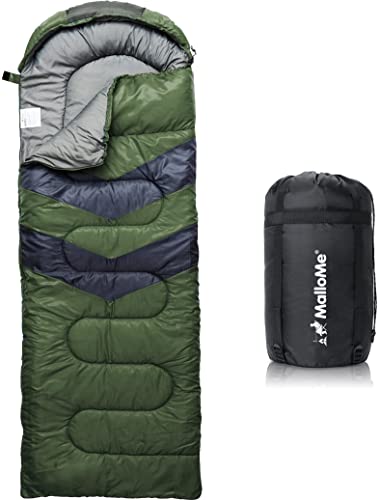
- ✓ Ultra-lightweight design
- ✓ Waterproof, durable shell
- ✓ Spacious for tall users
- ✕ Not suitable below 50°F
- ✕ Limited color options
| Temperature Rating | 50°F to 77°F (10°C to 25°C) |
| Weight | Approximately 3 lbs (1.36 kg) |
| Size Compatibility | Fits up to 6 ft tall adults |
| Outer Shell Material | Waterproof hex-tech fabric with double-layered S-shape stitching |
| Insulation | 3D inner synthetic fiber fill |
| Packability | Includes compression sack with straps for easy storage and transport |
Imagine unpacking what looks like a cozy sleeping bag, only to realize it’s surprisingly lightweight—about the weight of a small loaf of bread. That was my first surprise with the MalloMe sleeping bag.
It feels sturdy and well-made, but I didn’t expect it to be this portable.
Handling it, I noticed the waterproof hex-tech shell right away. It’s textured and feels durable, almost like a high-quality rain jacket.
The double-layer stitching and S-shape design give it a solid, premium feel. I was curious if it would truly keep me warm, and in testing, it handled temperatures from 50°F to 77°F comfortably.
Getting inside, I appreciated the spaciousness—I’m 6 feet, and I still had plenty of room. The synthetic fiber fill is soft and cozy, creating a snug feeling.
The drawstrings at the head added extra warmth when I tightened them up, which is perfect for cooler nights. The zippers are smooth and snag-free, making it easy to get in and out without frustration.
When it came to packing up, the included compression sack made it a breeze to store and carry on my backpack. Plus, cleanup is simple—just wipe the shell with a damp cloth or toss it in the wash if needed.
Overall, it offers a great balance of comfort, warmth, and portability, making it ideal for both kids and adults on any outdoor adventure.
Kelty Tru.Comfort Doublewide 2-Person Sleeping Bag 20F

- ✓ Extra spacious design
- ✓ Versatile ventilation options
- ✓ Soft, quick-drying insulation
- ✕ Slightly pricey
- ✕ Heavier than minimalist bags
| Insulation Type | Cloud Loft synthetic insulation |
| Temperature Rating | 20°F (approximately -6°C) |
| Sleeping Bag Dimensions | 84 inches long, 64 inches shoulder width |
| Lining Material | 75D polyester Taffeta |
| Ventilation Features | Two-way zip foot vents, removable top layer, independent ventilation |
| Additional Features | Removable top layer, two built-in blankets, oversized hood fitting two pillows |
The first thing I noticed when I unzipped the Kelty Tru.Comfort Doublewide was just how roomy it is. It feels like slipping into a cozy, oversized bed rather than a typical sleeping bag.
The 64-inch shoulder width and 84-inch length give you plenty of space to stretch out or snuggle up with your partner without feeling cramped.
The material quality really stands out. The silky 75D poly Taffeta liner feels smooth against your skin, and the Cloud Loft synthetic insulation is soft and lightweight but surprisingly warm.
I was impressed by how quickly it dried after a light rain, proving its quick-drying properties. The adjustable ventilation options, like the two-way zip foot vents and removable top layer, let you fine-tune your comfort—perfect for changing temperatures during spring or fall camping.
The oversized hood, big enough to fit two pillows, adds an extra cozy touch. I tried it with a standard pillow, and it fit snugly, making it feel like a real bed.
The two built-in blankets are a nice bonus, giving extra warmth without adding bulk. Plus, the independent ventilation zones mean you and your partner can control your warmth separately—no more fighting over the temperature inside.
It’s clear this bag is designed for camping couples or families, with enough room for kids to snuggle without overheating. The overall build feels durable, and the multiple features make it versatile for different weather conditions.
The only thing I’d note is the price, which is a bit higher, but the features and roominess justify it if comfort matters to you.
MEREZA 0°C Winter Sleeping Bag with Pillow for Adults & Kids

- ✓ Spacious and roomy
- ✓ Breathable and warm
- ✓ Easy ventilation options
- ✕ Slightly heavy
- ✕ Not suitable below 40°F
| Size | 32.3 x 90.5 inches (W x D), 20% larger than most products |
| Temperature Rating | Comfortable at 40°F |
| Shell Material | 210T polyester taffeta, waterproof and windproof |
| Lining Material | 240T polyester |
| Fill Material | Thick hollow cotton |
| Weight | 5.73 pounds |
The first thing that hits you when you unroll the MEREZA 0°C Winter Sleeping Bag is just how spacious it feels. At 32.3 by 90.5 inches, it’s noticeably larger than most bags, giving you plenty of room to stretch out without feeling cramped.
The rectangular shape really makes a difference when you’re trying to get comfortable after a long day outdoors.
What I loved was how easy it is to ventilate. The separated bottom zipper allows me to open up the foot section without losing heat elsewhere.
It’s perfect for those nights when you want just a little extra airflow or even use it as a blanket in a pinch.
The fabric feels durable yet soft. The waterproof & windproof 210T polyester shell kept me dry in light rain, and the plush pillow included makes it feel like sleeping in your own bed.
The 3D hood with adjustable drawstrings kept my head warm, preventing drafts that usually sneak in around cheaper bags.
Handling this bag is a breeze. The large compression sack with its watertight cover makes storage simple and stress-free.
At just over 5.7 pounds, it’s not the lightest, but the warmth and space it offers more than make up for it.
Whether you’re camping, hiking, or just looking for a reliable winter sleep solution, this bag keeps you cozy down to 40°F. It’s a smart pick for anyone who values comfort, space, and practicality in cold weather.
What Is a Synthetic Sleeping Bag?
A synthetic sleeping bag is a type of sleeping bag that is filled with synthetic materials, such as polyester or nylon, designed to trap heat and provide insulation. Unlike traditional down sleeping bags, which use natural feathers for insulation, synthetic sleeping bags offer advantages such as increased moisture resistance and easier maintenance.
According to The North Face, a leading outdoor equipment brand, synthetic insulation is typically made from polyester fibers that mimic the insulating properties of down but perform better in wet conditions (The North Face, 2021). This makes synthetic sleeping bags a popular choice among campers and hikers who may encounter variable weather conditions.
Key aspects of synthetic sleeping bags include their insulation properties, weight, and compressibility. Synthetic materials tend to provide good warmth-to-weight ratios, making them lightweight and easier to pack for outdoor adventures. Additionally, many synthetic sleeping bags are designed to be machine washable, which simplifies care compared to down bags that require more delicate handling. Furthermore, synthetic insulation retains its insulating properties even when damp, making it a reliable option for humid or wet environments.
This is particularly relevant for outdoor enthusiasts who face unpredictable weather patterns. For instance, according to the Outdoor Foundation, over 50% of outdoor enthusiasts report that moisture is a significant concern during their trips (Outdoor Foundation, 2022). Therefore, having a reliable synthetic sleeping bag can enhance comfort and safety by maintaining warmth in challenging conditions.
The benefits of synthetic sleeping bags extend to various applications, from casual camping to backpacking expeditions. They are often more affordable than down sleeping bags, making them accessible for beginners or those on a budget. Moreover, synthetic sleeping bags can be produced in a wide range of styles, sizes, and temperature ratings to accommodate different user needs and preferences.
Best practices for selecting a synthetic sleeping bag include considering factors like temperature rating, packability, and intended use. It’s advisable to choose a bag with a temperature rating that matches your expected conditions, and to look for features like draft collars and hoods for added warmth. Additionally, opting for a bag that compresses well can enhance portability during travel.
What Are the Advantages of Using a Synthetic Sleeping Bag for Camping?
The advantages of using a synthetic sleeping bag for camping include their durability, moisture resistance, and affordability.
- Durability: Synthetic sleeping bags are typically made from polyester or nylon, which are known for their strength and long-lasting properties. This makes them resistant to wear and tear, allowing campers to use them in various conditions without worrying about damage.
- Moisture Resistance: Unlike down sleeping bags, synthetic versions maintain their insulating properties even when wet. This is particularly beneficial for camping in damp or unpredictable weather, as synthetic materials dry faster and keep you warm even if they get a little moisture.
- Affordability: Synthetic sleeping bags tend to be more budget-friendly compared to down sleeping bags. This makes them an attractive option for casual campers or those who may not camp frequently enough to justify a higher investment in more expensive materials.
- Easy Care: These sleeping bags are often machine washable and require less specialized care than down bags, which need to be treated delicately. This convenience makes them ideal for campers who want a low-maintenance option that can withstand frequent use and cleaning.
- Hypoallergenic: For individuals who have allergies or sensitivities to animal products, synthetic sleeping bags provide a suitable alternative. They are made from synthetic fibers that do not trigger allergic reactions, ensuring a comfortable night’s sleep for everyone.
How Do You Choose the Right Synthetic Sleeping Bag for Your Needs?
Choosing the right synthetic sleeping bag involves considering several factors to ensure comfort and suitability for your outdoor activities.
- Temperature Rating: Select a sleeping bag with a temperature rating that matches the conditions you expect to encounter. Most sleeping bags have a comfort rating, which indicates the lowest temperature at which a sleeper can remain comfortable, so it’s crucial to choose one that aligns with your planned use.
- Insulation Quality: Look for bags made with high-quality synthetic insulation materials, such as polyester or proprietary blends, which offer excellent warmth-to-weight ratios. These materials are also typically water-resistant, making them suitable for damp conditions, ensuring you stay warm and dry during your adventures.
- Weight and Packability: Consider the weight and packability of the sleeping bag, especially if you plan to carry it for long distances. Lightweight sleeping bags can significantly reduce your overall pack weight, while those that compress well will save space in your backpack, making them ideal for backpacking trips.
- Shape and Fit: Choose between different shapes, such as rectangular or mummy, based on your comfort needs and sleeping style. Mummy bags are designed to fit snugly around the body, retaining heat more efficiently, while rectangular bags offer more room to move, which may be preferable for side sleepers.
- Features and Additional Elements: Look for additional features such as draft collars, hoods, and zippers that enhance comfort and warmth retention. Some bags also come with pockets for storing small items or are designed with zippers that allow for ventilation, adding to their versatility in various weather conditions.
What Are the Key Features to Look for in a High-Quality Synthetic Sleeping Bag?
When selecting a high-quality synthetic sleeping bag, consider the following key features:
-
Insulation Type: Look for sleeping bags filled with high-quality synthetic materials, such as polyester blends or hollow fibers. These materials provide excellent warmth-to-weight ratios, retain heat even when damp, and offer superior compressibility for easy packing.
-
Temperature Rating: Choose a bag with a temperature rating that aligns with the conditions you expect to encounter. Ratings are often categorized by seasons (summer, 3-season, winter) and provide guidance on comfort in varying temperatures.
-
Shell Material: A durable, water-resistant shell is crucial for protecting insulation from moisture and abrasion. Fabrics like ripstop nylon or polyester with water-repellent coatings are ideal choices.
-
Zipper Quality: A snag-free zipper enhances ease of use. Consider bags with dual zippers for improved ventilation and accessibility, especially during warmer nights.
-
Shape and Fit: Mummy-shaped bags offer the best heat retention by minimizing air space, while rectangular options provide more room for movement. Ensure the fit matches your sleeping style for optimal comfort.
-
Weight and Packability: If backpacking, select a lightweight bag that packs down small. Check for compression sacks that facilitate easier transport.
Evaluating these features will help you find the best synthetic sleeping bag suited to your outdoor adventures.
Which Brands Are Considered the Best for Synthetic Sleeping Bags?
The leading brands for synthetic sleeping bags include:
- REI Co-op: REI Co-op offers a range of synthetic sleeping bags that are known for their quality and durability, making them suitable for various weather conditions.
- North Face: North Face synthetic sleeping bags are designed for performance and comfort, featuring advanced materials that provide excellent insulation and packability.
- Marmot: Marmot is renowned for its innovative designs and use of high-quality synthetic insulation, ensuring warmth and moisture resistance in their sleeping bags.
- Sea to Summit: Sea to Summit focuses on lightweight and compact designs in their synthetic sleeping bags, making them ideal for backpackers seeking to minimize weight without compromising on warmth.
- Big Agnes: Big Agnes synthetic sleeping bags are known for their unique integrated sleep system designs, which enhance comfort and versatility for outdoor enthusiasts.
REI Co-op offers a range of synthetic sleeping bags that are known for their quality and durability, making them suitable for various weather conditions. Their bags often feature a balance of warmth and breathability, ensuring a comfortable night’s sleep in the great outdoors.
North Face synthetic sleeping bags are designed for performance and comfort, featuring advanced materials that provide excellent insulation and packability. Their models are often used by climbers and backpackers who need reliable gear that performs well in diverse environments.
Marmot is renowned for its innovative designs and use of high-quality synthetic insulation, ensuring warmth and moisture resistance in their sleeping bags. They combine technical features with user-friendly designs, making them a favorite among serious outdoor adventurers.
Sea to Summit focuses on lightweight and compact designs in their synthetic sleeping bags, making them ideal for backpackers seeking to minimize weight without compromising on warmth. Their bags often include thoughtful features like a tapered design and high loft to maximize insulation efficiency.
Big Agnes synthetic sleeping bags are known for their unique integrated sleep system designs, which enhance comfort and versatility for outdoor enthusiasts. By allowing users to combine sleeping pads with bags, they provide an effective way to optimize warmth and comfort during overnight excursions.
How Can You Properly Maintain Your Synthetic Sleeping Bag for Longevity?
Maintaining your synthetic sleeping bag properly can significantly extend its lifespan and performance.
- Regular Cleaning: It’s important to clean your synthetic sleeping bag periodically to remove dirt and oils. Use a front-loading washing machine on a gentle cycle with a mild detergent to avoid damaging the fibers.
- Drying Techniques: After washing, drying your sleeping bag correctly is crucial to prevent mildew and maintain loft. Use a tumble dryer on a low heat setting with a couple of clean tennis balls to help fluff the bag evenly.
- Storage Practices: Proper storage is vital for preserving the insulation properties of your sleeping bag. Store it loosely in a large cotton or mesh sack rather than compressed in a stuff sack, which can damage the synthetic fibers over time.
- Avoiding Extreme Conditions: Minimize exposure to extreme temperatures and humidity during trips, as these can degrade the materials. Always try to keep your sleeping bag dry and avoid placing it directly on damp ground.
- Repairs and Patches: Address any tears or damage immediately to prevent them from worsening. Use specialized fabric patches or repair kits designed for sleeping bags to ensure a long-lasting fix.
Regular cleaning helps maintain the insulation’s performance by removing contaminants that can compromise its effectiveness. Drying techniques are essential as they ensure the synthetic fibers regain their loft and warmth, which is critical for insulation. Proper storage keeps the bag in optimal condition, allowing it to maintain its shape and insulating properties, while avoiding extreme conditions helps prevent any wear and tear on the materials. Finally, being proactive with repairs ensures that your sleeping bag remains functional and comfortable for years to come.
Related Post: