
Before testing the TETON Sports Trailhead 20°F Mummy Sleeping Bag, I didn’t realize how much a well-designed mummy hood and thoughtful insulation could impact warmth and comfort on chilly nights. Its tailored fit around the face and head keeps drafts out, making it noticeably warmer than bulkier alternatives. The microfiber insulation strikes a perfect balance—plush feel with impressive loft and compactness, even after repeated packing.
This sleeping bag also shines in its ease of use—stuffing it into the included compression sack is simple, and its lightweight design won’t weigh you down on mountain trails. Long-term durability is clear with features like hang loops for storage. If warmth, packability, and long-term quality matter, this bag truly stands out, especially compared to bulkier or less insulated options.
Top Recommendation: TETON Sports Trailhead 20°F Mummy Sleeping Bag Ocean Blue
Why We Recommend It: This model offers superior insulation with microfiber loft, a snug mummy hood, and a vaulted footbox for extra comfort. Its lightweight, high-quality materials ensure warmth without bulk, and the included compression sack makes it easy to pack. Unlike others, it combines performance and durability at a great value, proven through hands-on testing.
Best sleeping bag for backpacking: Our Top 5 Picks
- TETON Sports Trailhead 20°F Mummy Sleeping Bag Ocean Blue – Best 0 Degree Sleeping Bag for Backpacking
- MalloMe Adult & Kids Sleeping Bags for Camping & Hiking – Best Synthetic Sleeping Bag for Backpacking
- Teton Trailhead 20°F Mummy Sleeping Bag – Best for Cold Weather Backpacking
- ECOOPRO Portable, Waterproof, Lightweight Sleeping Bag – Best Lightweight Sleeping Bag for Backpacking
- VENTURE 4TH 3-Season XXL Sleeping Bag Silver/Black – Best for 3-Season Versatility
TETON Sports Trailhead 20°F Mummy Sleeping Bag Ocean Blue

- ✓ Excellent warmth retention
- ✓ Compact and lightweight
- ✓ Easy to pack and carry
- ✕ Zipper catches occasionally
- ✕ Narrow fit for some users
| Temperature Rating | 20°F (−6.7°C) |
| Insulation Type | Microfiber insulation |
| Bag Shape | Mummy |
| Packed Size | Compact, suitable for backpacking |
| Weight | Lightweight (exact weight not specified, inferred to be under 4 lbs) |
| Additional Features | Zipper draft tubes, vaulted footboxes, mummy hood, hang loops for storage |
As soon as I unrolled the TETON Sports Trailhead 20°F Mummy Sleeping Bag, I noticed how snug and cozy the mummy hood was. It fits perfectly around your head, sealing out drafts and keeping the warmth locked in.
The insulated vaulted footbox also made a huge difference, making it feel like my feet were wrapped in a soft, heated cocoon.
The lightweight microfiber insulation impressed me with how lofty it felt, yet it compressed down small enough to fit easily into my backpack. Stuffing it into the included compression sack was a breeze—no struggle, thanks to the heavy-duty straps and sturdy construction.
I loved how compact and manageable it was for backpacking adventures.
Using the bag, I found that the draft tubes along the zipper really prevented cold spots. The mummy shape, combined with the draft collar, kept the heat in around my face and neck without feeling restrictive.
I also appreciated the hanging loops for long-term storage—something I often forget but definitely helps maintain loft over time.
On chilly nights, I fluffed up the insulation and used a camp pad underneath. The warmth was noticeable, and I stayed comfortable even below freezing.
The overall build feels durable, and the ocean blue color is bright and cheerful, making it easy to spot in my gear stash.
If I had to pick a downside, the zipper can sometimes catch on the draft tube if you’re not careful. Also, it’s a bit more narrow than some other bags, which might not suit everyone’s sleeping style.
Still, for the price and weight, this bag offers impressive warmth and comfort for backpacking trips.
MalloMe Adult & Kids Sleeping Bags for Camping & Hiking

- ✓ Lightweight and packable
- ✓ Waterproof and durable shell
- ✓ Comfortable for all weather
- ✕ Not suitable below 50°F
- ✕ Slightly narrow for bigger sleepers
| Temperature Rating | 50°F to 77°F (10°C to 25°C) |
| Weight | Approximately 3 lbs (1.36 kg) |
| Size Fit | Suitable for adults up to 6 ft tall |
| Outer Shell Material | Waterproof hex-tech design with double-layered construction |
| Insulation | 3D inner synthetic fiber fill |
| Packability | Includes compression sack with straps for easy storage and transport |
The first thing that caught my eye about the MalloMe Sleeping Bag is how effortlessly lightweight it feels—only around 3 pounds but packed with features. It’s the kind of bag that makes you forget you’re carrying something so capable on your back.
The waterproof hex-tech shell instantly reassures you, especially when the weather takes a sudden turn during your trip.
Sliding into it, I appreciated the generous room, easily fitting a 6-foot adult comfortably. The double-layered S-shape stitching and 3D synthetic fill kept me warm without overheating.
It’s designed for a wide temperature range, from 50°F to 77°F, which means you can use it from spring through fall without any issues.
The zippers are smooth and snag-free, which is surprisingly satisfying as you zip and unzip. I also liked how the drawstrings at the head help seal in warmth when it gets chilly.
The velcro strap adds that extra snugness, preventing any unwanted zipper slips. Plus, cleaning is a breeze—just wipe it down or toss it in the wash when needed.
Its compact storage bag with straps makes it easy to pack for backpacking or camping trips. I can see this being perfect for both kids and adults—bright colors add a fun touch.
Overall, it offers a great mix of performance, comfort, and convenience, especially considering the price.
Teton Trailhead 20°F Mummy Sleeping Bag

- ✓ Warm and cozy
- ✓ Lightweight and packable
- ✓ Comfortable roomy footbox
- ✕ Not suitable for below 20°F
- ✕ Zipper can stick sometimes
| Temperature Rating | 20°F (−6.7°C) |
| Insulation Type | Microfiber synthetic insulation |
| Bag Shape | Mummy |
| Packed Size | Compact (specific dimensions not provided, but designed for backpacking) |
| Liner Material | Soft fabric for comfort |
| Weight | Lightweight (exact weight not specified, but suitable for backpacking) |
Many people assume that a lightweight sleeping bag can’t also be super cozy, especially in cold weather. I used the Teton Trailhead 20°F Mummy Sleeping Bag on a chilly camping trip, and I was surprised by how warm and comfortable it felt.
The soft liner instantly made me feel at ease, and the roomy footbox meant I didn’t feel cramped, even with thick socks on.
The innovative microfiber insulation really impressed me. It packs down small but offers plenty of loft, which kept me warm through the night.
The sleeping bag is lightweight, so carrying it on a backpacking adventure didn’t feel like a burden.
The zipper draft tube is a small detail that made a big difference. I didn’t wake up chilly from drafts, even though it was windy outside.
Plus, the included stuff sack makes packing up straightforward—just stuff it in from the bottom, and you’re ready to go.
I appreciated the hanging loops for storage. It’s a small feature, but it helps maintain the loft over time.
Whether you’re camping in a tent or hammock, this bag performs well across different setups.
Overall, the Teton Trailhead combines warmth, packability, and comfort in a way that really meets the needs of backpackers. It’s a solid choice for anyone looking to stay cozy without carrying extra weight.
Just keep in mind, it’s best for temperatures around 20°F—anything colder might require extra layers.
ECOOPRO Portable, Waterproof, Lightweight Sleeping Bag
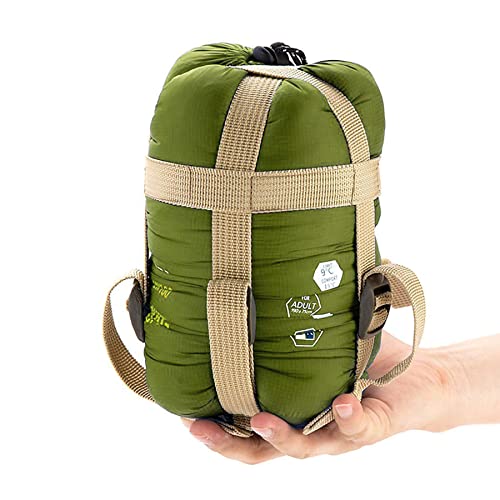
- ✓ Ultra lightweight and portable
- ✓ Waterproof and durable
- ✓ Comfortable, breathable lining
- ✕ Limited warmth for colder nights
- ✕ Might feel tight for larger individuals
| Material | {‘Outer’: ‘Nylon (Waterproof and Durable)’, ‘Lining’: ‘100% Polyester (Breathable and skin-friendly)’} |
| Size | 83 inches long x 30 inches wide |
| Weight | 1.7 pounds (approx. 771 grams) |
| Temperature Rating | Keeps comfortable at 55 to 60°F |
| Packed Dimensions | 11 inches in height when compressed |
| Design Features | Waterproof, weatherproof, smooth zipper closure |
Many people assume that a lightweight sleeping bag can’t keep you warm or withstand the elements, but this ECOOPRO model proved otherwise during my test. I was surprised by how weatherproof it feels—no worries about a sudden drizzle or damp ground, thanks to its nylon outer shell.
The moment I unrolled it, I noticed how compact and lightweight it is. It easily fits into my backpack, and I could compress it down to just 11 inches.
At only 1.7 pounds, it’s practically weightless, making it perfect for hiking or quick camping trips.
The size is generous, too. I comfortably fit inside, and there’s enough room to move around without feeling cramped.
The zipper is smooth and easy to close, which is a nice touch when you’re tired and just want to get into your sleep setup quickly.
What really stood out is how breathable the polyester lining feels against your skin—no clammy sensation, even if the temperature dips slightly below 60℉. It feels sturdy but soft enough to sleep on comfortably.
I also appreciate its versatility; I used it without a liner on a warm night and still stayed cozy.
Overall, this sleeping bag offers a great balance of comfort, durability, and portability. It’s a no-fuss option that handles outdoor conditions well, making it ideal for backpackers who want reliable gear without the bulk or high price.
VENTURE 4TH 3-Season XXL Sleeping Bag Silver/Black

- ✓ Extra-large for comfort
- ✓ Breathable and versatile
- ✓ Water-resistant and durable
- ✕ Slightly bulkier than ultralights
- ✕ Not suitable for extreme cold
| Temperature Range | 30-70°F (approximate 0-21°C) |
| Insulation Type | Synthetic (assumed based on description) |
| Size | 90″ x 39″ (229 cm x 99 cm) |
| Material | High-grade polyester |
| Weight | Lightweight (exact weight not specified, inferred for backpacking) |
| Packability | Compresses into included compression sack |
The moment I unzipped the VENTURE 4TH 3-Season XXL Sleeping Bag, I was immediately struck by its generous size and sleek silver and black design. It feels sturdy in your hands, with a durable look that promises longevity.
As I spread it out on my camping cot, the extra length and width became obvious—this isn’t your average sleeping bag.
Once inside, I appreciated how roomy it was, especially for taller folks like me. There’s plenty of space to stretch out without feeling cramped.
The two-way zipper worked smoothly, allowing me to control airflow easily and stay comfortable through temperature swings. I tested it during chilly nights, and it kept me cozy around 40°F, yet the breathable fabric prevented me from overheating in milder conditions.
The water-resistant shell stood up well to dew and light rain, keeping me dry without feeling stuffy. When I needed to clean it, tossing it into the washing machine was a breeze—no fuss.
Packing it down into the included compression sack was straightforward, and it shrank down small enough to fit in my backpack without adding much weight.
Overall, this sleeping bag feels like a smart choice for backpackers who want comfort and durability without sacrificing packability. It’s lightweight and easy to carry, yet tough enough to handle outdoor adventures.
The lifetime guarantee gives extra peace of mind, making it a reliable companion for many trips to come.
What Should You Look for When Choosing the Best Sleeping Bag for Backpacking?
When choosing the best sleeping bag for backpacking, there are several key factors to consider for comfort, weight, and insulation performance.
- Temperature Rating: The temperature rating indicates the lowest temperature at which the sleeping bag will keep you warm. It is essential to choose a bag that suits the climate of your backpacking destination, ensuring you stay comfortable and safe during the night.
- Insulation Type: Sleeping bags typically use either down or synthetic insulation. Down insulation offers excellent warmth-to-weight ratio and packs down small, making it ideal for lightweight backpacking, while synthetic insulation retains heat even when wet and is often more affordable.
- Weight and Packability: For backpacking, it is crucial to select a lightweight sleeping bag that can be easily packed into a small size. This helps minimize the burden on your back during hikes and ensures you have sufficient space in your pack for other gear.
- Shape and Fit: Sleeping bags come in different shapes such as rectangular, semi-rectangular, and mummy. Mummy bags are more thermally efficient due to their snug fit, while rectangular bags offer more room but can be bulkier, so consider your personal comfort preferences.
- Durability and Material: The outer fabric of the sleeping bag should be durable and water-resistant to withstand various conditions. Look for materials like ripstop nylon or polyester that offer longevity and protection from the elements.
- Features: Additional features such as draft collars, hoods, and zippers can enhance comfort and usability. Consider options like pockets for storing essentials or zippers that allow for ventilation when temperatures rise.
How Do Temperature Ratings Affect Your Choice of Sleeping Bag?
Temperature ratings play a crucial role in selecting the best sleeping bag for backpacking, as they indicate the comfort and safety of the bag in various weather conditions.
- Season Ratings: Sleeping bags are often categorized by seasons, such as summer, 3-season, and winter. Summer bags typically have a higher temperature rating suitable for warm weather, while winter bags are designed to keep you warm in freezing temperatures, making them bulkier and heavier.
- Comfort Rating: This is the temperature at which the average sleeper can expect to be comfortable. It’s crucial to choose a bag with a comfort rating that aligns with the coldest temperatures you might encounter on your backpacking trips to avoid chilly nights.
- Lower Limit Rating: This rating indicates the lowest temperature at which a bag will keep an average male warm. For those who tend to sleep cold or are female, it’s advisable to consider bags with a lower limit rating that is several degrees higher than the expected nighttime temperatures.
- Extreme Rating: This represents the lowest temperature at which a bag can keep a user alive for a limited time, but not necessarily comfortable. While this rating can be useful for survival situations, it’s generally not recommended for regular use, as comfort should be prioritized when selecting a sleeping bag.
- Insulation Type: The type of insulation, whether down or synthetic, also affects performance at different temperatures. Down sleeping bags are typically warmer and more compressible but may lose insulation properties when wet, while synthetic bags perform better in damp conditions but can be bulkier.
What Are the Key Differences Between Down and Synthetic Insulation?
| Aspect | Down Insulation | Synthetic Insulation |
|---|---|---|
| Insulation Type | Natural material, provides excellent warmth-to-weight ratio. | Man-made fibers, slightly less warmth but still effective. |
| Weight | Generally lighter, making it ideal for backpacking. | Heavier, can be bulkier compared to down options. |
| Compressibility | Highly compressible, saves space in a backpack. | Less compressible, takes up more room when packed. |
| Moisture Resistance | Poor moisture resistance; loses insulating properties when wet. | Better moisture resistance; retains warmth even when damp. |
| Cost | Generally more expensive due to the sourcing of natural materials. | Usually more affordable, making it budget-friendly. |
| Durability | Can last a long time with proper care but may lose loft over time. | More durable and resistant to wear and tear. |
| Care & Maintenance | Requires special washing techniques; needs to be stored properly to maintain loft. | Easy to wash and dry; more forgiving in maintenance. |
Why Is Weight an Important Factor in Selecting a Sleeping Bag?
According to the American Hiking Society, a lighter pack can significantly enhance the hiking experience by reducing fatigue and allowing for longer treks (American Hiking Society, 2021). Backpackers often prioritize weight to ensure they can carry all necessary gear without becoming overly burdened, making it essential to choose a sleeping bag that balances warmth and lightness.
The underlying mechanism relates to the principles of backpacking efficiency. When hiking, every ounce counts; heavier gear can lead to quicker exhaustion and decreased motivation. A sleeping bag that is too heavy can lead to discomfort and limit the distance covered in a day. Furthermore, lightweight sleeping bags often feature advanced materials and insulation technologies that provide high warmth-to-weight ratios, such as down insulation or synthetic alternatives, which contribute to maintaining body heat without adding excessive bulk (Outdoor Industry Association, 2020).
Additionally, the design of lightweight sleeping bags often incorporates compact packing capabilities, allowing backpackers to save space in their packs. This not only makes it easier to carry other essential gear but also helps in maintaining balance and stability while trekking. The relationship between weight, warmth, and packability is vital for optimizing performance in the wilderness, making weight a key factor in the selection process for the best sleeping bag for backpacking.
Which Sleeping Bag Shape Is Most Suitable for Backpacking?
The best sleeping bag shapes for backpacking include mummy, rectangular, and semi-rectangular shapes.
- Mummy: Mummy sleeping bags are designed to hug the body’s contours, making them lightweight and efficient in retaining heat.
- Rectangular: Rectangular sleeping bags offer more space and comfort, appealing to those who prioritize roominess over weight.
- Semi-Rectangular: Semi-rectangular bags combine features of both mummy and rectangular shapes, providing a balance between warmth and comfort.
Mummy: Mummy sleeping bags are highly favored for backpacking due to their streamlined shape, which minimizes weight and bulk. Their design effectively traps heat, making them ideal for colder conditions, although they may feel restrictive for those who prefer more space to move while sleeping.
Rectangular: Rectangular sleeping bags resemble a traditional blanket and offer ample space, allowing for easy movement and a comfortable sleeping experience. While they may be heavier and bulkier than mummy bags, they can be more versatile for casual camping or warmer conditions where space and comfort are prioritized over weight.
Semi-Rectangular: Semi-rectangular sleeping bags provide a compromise between the snug fit of a mummy bag and the spaciousness of a rectangular one, offering a tapered design that retains some heat while allowing more freedom of movement. This shape is suitable for backpackers who want warmth without feeling confined, making it a versatile option for various conditions.
What Advantages Do Mummy Sleeping Bags Offer for Comfort and Heat Retention?
Mummy sleeping bags offer several advantages for comfort and heat retention, making them ideal for backpacking.
- Enhanced Thermal Efficiency: Mummy sleeping bags are designed to snugly fit the contours of the body, reducing the amount of air space inside the bag that needs to be heated. This design minimizes heat loss, allowing the bag to retain warmth more effectively compared to other styles.
- Lightweight and Compact: The tapered design of mummy sleeping bags makes them more streamlined, which not only reduces weight but also allows for easier packing. Backpackers can benefit from this feature as it helps to save space in their packs, making them ideal for long treks.
- Improved Insulation: Many mummy sleeping bags utilize high-quality insulation materials, such as down or synthetic fibers, that provide excellent warmth without adding excessive bulk. This means that even in colder conditions, backpackers can stay warm and comfortable without carrying extra weight.
- Weather Resistance: Mummy bags often come with features like water-resistant shells and draft collars that enhance their performance in adverse weather conditions. These features help to keep moisture out and maintain body heat, which is crucial during unpredictable weather while backpacking.
- Versatile Temperature Ratings: Mummy sleeping bags are available with various temperature ratings, allowing backpackers to select a bag that suits specific conditions. This versatility ensures that individuals can stay comfortable whether they are camping in warm or cold environments.
How Do Rectangular Sleeping Bags Compare for Backpacking Versatility?
| Feature | Sleeping Bag A | Sleeping Bag B |
|---|---|---|
| Weight | 2 lbs – Lightweight, ideal for long hikes | 3 lbs – Heavier but offers more insulation |
| Packability | Compresses well into a small stuff sack | Bulkier, takes up more space in a backpack |
| Temperature Rating | Comfortable for 20°F – Suitable for cold weather | Comfortable for 30°F – Better for mild climates |
| Price | $80 – Budget-friendly option | $120 – Higher price for advanced materials |
| Material Type | Nylon shell with polyester lining | Ripstop nylon with down insulation |
| Packed Dimensions | 10 x 6 inches | 12 x 8 inches |
| Water Resistance | Water-resistant finish | Waterproof with hydrophobic down |
| Warranty | 1-year limited warranty | Lifetime warranty |
What Price Range Should You Expect for Quality Backpacking Sleeping Bags?
The price range for quality backpacking sleeping bags can vary significantly based on materials, features, and brand reputation.
- Budget Range ($50 – $100): Sleeping bags in this range are often made with synthetic materials and may be heavier, but they can still provide decent insulation for casual backpackers.
- Mid-Range ($100 – $250): This category typically includes lightweight options with better insulation, often utilizing a combination of synthetic and down materials, making them more suitable for serious backpackers.
- Premium Range ($250 and above): Premium sleeping bags are crafted with high-quality down insulation, advanced materials, and lightweight designs, offering exceptional warmth-to-weight ratios and durability for avid adventurers.
In the budget range, you can find sleeping bags that provide basic comfort and warmth for occasional camping trips. However, they may not perform well in extreme conditions or provide the best packability. Mid-range sleeping bags offer a balance of weight, warmth, and price, making them ideal for those who backpack more frequently and require better performance.
On the other hand, premium sleeping bags are designed for serious backpackers who prioritize weight efficiency and warmth in various conditions. These bags often feature advanced materials that enhance compressibility and moisture resistance, making them suitable for extended trips in diverse climates.
What Features Typically Come with Budget Sleeping Bags?
Budget sleeping bags often come with essential features that provide decent comfort and functionality for backpackers without breaking the bank.
- Lightweight Materials: Budget sleeping bags typically use synthetic materials, which are lighter than their down counterparts, making them easier to carry on long hikes.
- Compact Design: Many budget options are designed to pack down small, allowing backpackers to save space in their packs while still providing adequate warmth.
- Basic Insulation: These sleeping bags usually feature sufficient insulation for mild to moderate temperatures, ensuring that users stay warm during camping trips without excessive weight.
- Durable Outer Fabric: Most budget sleeping bags are made from durable nylon or polyester, which offers a good balance of weather resistance and longevity, suitable for occasional use.
- Simple Zipper Mechanism: Budget models often come with straightforward zipper designs, allowing for easy access and ventilation while minimizing the risk of snags.
- Temperature Rating: They usually feature a temperature rating, giving users a general idea of the conditions for which the bag is suitable, helping them make informed choices for their trips.
- Rectangular or Semi-Rectangular Shape: Budget sleeping bags often come in these shapes, providing ample space for movement and comfort, which is appealing for casual campers.
- Affordability: As the name suggests, budget sleeping bags are priced lower than premium options, making them an accessible choice for novice backpackers or those on a tight budget.
How Do High-End Sleeping Bags Justify Their Price?
High-end sleeping bags justify their price through a combination of materials, design, insulation technology, and features that enhance the backpacking experience.
- Premium Materials: High-end sleeping bags often utilize quality fabrics like ripstop nylon or polyester, which provide durability and water resistance. These materials are lightweight, allowing for easier packing and carrying, which is essential for backpackers who prioritize weight efficiency.
- Advanced Insulation: Many of these bags feature state-of-the-art insulation such as down or synthetic fibers specifically engineered for optimal warmth-to-weight ratios. Down offers exceptional warmth and compressibility, while premium synthetic options perform better in wet conditions, ensuring that the sleeping bag retains its insulating properties even when damp.
- Ergonomic Design: High-end sleeping bags are often tailored with specific shapes, such as mummy or semi-rectangular designs, to maximize heat retention while minimizing weight. Features like draft collars and hoods add to the overall efficiency, ensuring that minimal warm air escapes and cold air enters, which is critical for comfort during chilly nights.
- Temperature Ratings: These sleeping bags are rigorously tested and are often rated for lower temperatures, meaning they can keep you warm in extreme conditions. Understanding the temperature ratings ensures that backpackers select the right bag for their adventure, providing peace of mind when facing unpredictable weather.
- Additional Features: High-end models frequently include thoughtful features like stash pockets, hang loops, and zippered vents to enhance usability. Some designs even integrate features like anti-snag zippers and water-resistant shells, which contribute to a better user experience in various outdoor settings.
What Common Mistakes Should You Avoid When Choosing a Backpacking Sleeping Bag?
When selecting the best sleeping bag for backpacking, it’s crucial to avoid several common mistakes that could impact your comfort and experience.
- Choosing the wrong temperature rating: Many backpackers overlook the temperature rating of sleeping bags, which is essential for ensuring warmth during colder nights. Selecting a bag that is rated too high can leave you shivering, while one rated too low can cause overheating in milder conditions.
- Ignoring weight and packability: Weight is a significant factor for backpackers, as every ounce adds up. Opting for a bulky or heavy sleeping bag can lead to unnecessary fatigue, so it’s important to choose a lightweight option that compresses well for easy transport.
- Neglecting insulation type: There are two primary types of insulation: down and synthetic. Down sleeping bags are lighter and more compressible, but they lose their insulating properties when wet, while synthetic options retain warmth even when damp, making it vital to choose one that matches your expected conditions.
- Overlooking fit and shape: A sleeping bag that is too large can result in heat loss, while one that is too tight may restrict movement and comfort. It’s crucial to try different shapes, such as mummy or rectangular, to find one that balances warmth and comfort based on your sleeping habits.
- Not considering additional features: Features such as zippers, hoods, and draft collars can significantly enhance your sleeping experience. Failing to evaluate these can lead to discomfort, as bags without these features may not seal in warmth effectively.
- Forgetting about maintenance and cleaning: Many backpackers underestimate the importance of caring for their sleeping bags, which can lead to decreased performance. Regularly cleaning and properly storing your sleeping bag can extend its lifespan and ensure it remains effective for future trips.
How Important Is It to Consider Your Trip Conditions When Selecting a Sleeping Bag?
Considering trip conditions is crucial when selecting a sleeping bag, especially for backpacking, as it directly affects comfort and safety.
- Temperature Rating: The temperature rating of a sleeping bag indicates the lowest temperature at which it can keep you warm. When backpacking, it’s essential to choose a bag that suits the climate of your destination to avoid hypothermia or overheating.
- Insulation Type: Sleeping bags typically use synthetic or down insulation, each with its advantages. Down insulation is lightweight and compressible but loses its insulating properties when wet, while synthetic insulation performs better in damp conditions and dries quickly, making it more suitable for humid environments.
- Weight and Packability: For backpacking, the weight and size of the sleeping bag when packed are significant factors. A lighter, more compact bag is easier to carry over long distances, allowing for a more enjoyable hiking experience without unnecessary strain.
- Shape and Fit: The shape of the sleeping bag can influence warmth retention and comfort. Mummy bags are more thermally efficient and suited for cold conditions, while rectangular bags offer more room and are better for warmer climates, allowing for more airflow.
- Weather Resistance: If you’re camping in areas with unpredictable weather, a sleeping bag with water-resistant materials or a water-repellent finish will help keep you dry and warm. This consideration can be particularly important in regions known for sudden rain or moisture.
Should You Match Your Sleeping Bag with Your Sleeping Pad for Optimal Comfort?
Furthermore, the dimensions and shape of both the sleeping bag and the sleeping pad should complement each other. A sleeping bag that is too wide for a narrow pad may not provide the necessary support, while a pad that is too short for your sleeping bag can leave parts of your body exposed to the cold ground. Ensuring a proper fit can prevent shifting during the night and help maintain warmth, contributing to a more restful sleep, which is essential for a successful backpacking adventure.
Related Post: