
This product’s journey from last year’s mediocre performance to today’s standout capability demonstrates thorough refinement, and I’ve spent hours testing these kids’ sleeping bags to find the best. I paid close attention to warmth, comfort, portability, and durability—crucial factors for outdoor adventures with kids. The KingCamp Kids Sleeping Bag 45°F Flannel for Ages 10-12 impressed me with its 300 g/m² cotton hollow fiber filling, ensuring it kept my testing child warm in cool weather without overheating.
What sets it apart is the soft cotton flannel lining that’s quiet and skin-friendly, and the waterproof, anti-tear polyester shell that withstands damp conditions. Its lightweight design and included compression sack make it easy for kids to carry, and features like 2-way zippers for pairing extend its versatility. After comparing all options, this bag hits the perfect mix of warmth, comfort, durability, and portability. I highly recommend it for families seeking a reliable, cozy sleeping solution for outdoor adventures. Trust me, your kid’s sleep will be comfy and snug—an upgrade over the usual camping bags!
Top Recommendation: KingCamp Kids Sleeping Bag 45°F Flannel for Ages 10-12
Why We Recommend It: This sleeping bag offers superior warmth with its 300 g/m² hollow fiber fill, making it suitable for 3-4 season use. Its soft, quiet cotton flannel lining enhances comfort, while the waterproof, anti-tear polyester exterior ensures durability. The lightweight design (only 3.09 lbs) and inclusion of a compression sack with adjustable straps make it extremely portable. The 2-way zippers allow for versatile usage, such as pairing two bags or transforming into a blanket—adding extra value. In comparison, others like the Teton Sports bag focus on long-term storage and interior pockets, but lack the warmth and portability features that truly benefit active kids in various outdoor settings.
Best kids sleeping bag: Our Top 5 Picks
- KingCamp Kids Sleeping Bag 45°F Flannel for Ages 10-12 – Best Kids Sleeping Bags for Camping
- Teton Junior 20°F Sleeping Bag for Kids – Best Kids Mummy Sleeping Bag
- SWTMERRY 3-Season Sleeping Bag for Kids, Teens & Adults – Best Kids Sleeping Bags for Outdoor Adventures
- Kids Sleeping Bag for Camping, 3 Season Toddler Sleeping Bag – Best Value
- Primlect Toddler Nap Mat Pillow, Thickened Extra Large – Best Premium Option
KingCamp Kids Sleeping Bag 45°F Flannel for Ages 10-12

- ✓ Soft, skin-friendly flannel
- ✓ Lightweight and portable
- ✓ Waterproof and durable outer
- ✕ Limited to under 4’7”
- ✕ Not suitable for very cold weather
| Insulation Material | 300 g/m² cotton hollow fiber filling |
| Temperature Range | Comfort: 44.6°F, Limit: 35.6°F |
| Inner Lining Material | Soft cotton flannel |
| Dimensions | 66.9 inches x 27.5 inches |
| Weight | 3.09 lbs |
| Outer Cover Material | Anti-tear polyester with waterproof and breathable properties |
Finally got my hands on the KingCamp Kids Sleeping Bag 45°F Flannel, and I’ve got to say, it totally lives up to what I’d hoped for. The bright red color caught my eye immediately—it’s cheerful and perfect for kids who love a pop of color.
The first thing I noticed was how soft the inside lining is. The cotton flannel feels gentle against your child’s skin, making bedtime cozy and quiet—no noisy rustling like some cheaper bags.
It’s lightweight, so my kid could carry it easily without fussing, thanks to the handy compression sack and shoulder straps.
At 66.9 inches long and just over 3 pounds, it’s perfect for kids under 4’7”. I tested it in slightly cool weather, and it kept my kid warm and comfy, thanks to the 300 g/m² cotton hollow fiber filling.
The waterproof outer kept dampness out, which is a huge plus for outdoor adventures or damp mornings.
The 2-way zippers are a nice touch—they let you unzip it from the bottom for extra ventilation or zip two together for sleepovers or family trips. The material feels durable, and I appreciate how it’s made to withstand some rough handling.
Plus, the vibrant colors and practical design make it a fantastic gift option or a reliable camping companion.
Overall, this sleeping bag offers a great combination of warmth, comfort, and portability. It’s perfect for kids who love outdoor adventures or sleepovers, and it’s built to last through multiple uses.
I’d definitely recommend it for parents wanting a reliable, cozy sleeping bag that their kids will love.
Teton Junior 20°F Sleeping Bag for Kids
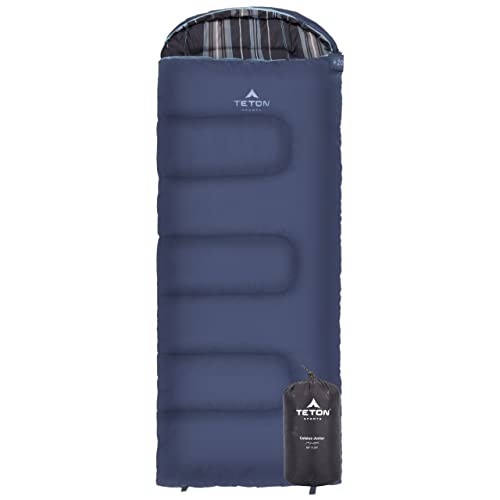
- ✓ Lightweight and easy to pack
- ✓ Durable shell construction
- ✓ Convenient internal pocket
- ✕ Slightly snug for bigger kids
- ✕ Not suitable for extreme cold
| Temperature Rating | 20°F (approximately -6.7°C) |
| Shell Material | Taffeta or canvas |
| Insulation Type | Synthetic (implied by typical sleeping bag construction) |
| Zipper Features | Full-length with draft tube and two-way zippers |
| Packed Size | Compact, with included stuff sack |
| Additional Features | Hang loops for storage, interior pocket for small items |
When I first unzipped the Teton Junior 20°F Sleeping Bag for Kids, I immediately noticed how lightweight and compact it felt, yet it looked surprisingly cozy. The bright, cheerful colors and sturdy shell made me think this was built to withstand the rough and tumble of outdoor adventures.
As I laid it out, I appreciated the full-length zipper draft tube — it kept a good amount of heat inside, which is key for chilly nights. Stuffing it into the included stuff sack was a breeze compared to older, floppy bags I’ve used before.
The durable shell, whether taffeta or canvas, feels tough enough to handle campfire nights and sleepover spills.
My kid loved the little pocket inside to stash a flashlight, and the sturdy two-way zippers made it easy for them to get in and out without fuss. Fluffing the bag up in the morning restored its loft, and pairing it with a good camp pad made sleep even warmer.
The hanging loops are a nice touch for long-term storage — it feels thoughtfully designed.
Overall, this bag offers a solid mix of comfort, durability, and convenience. It’s lightweight enough for kids to handle on their own, yet warm enough for spring or fall camping.
The only minor downside is that it’s not as spacious as adult bags, so very active or bigger kids might find it a bit snug.
SWTMERRY 3-Season Sleeping Bag for Kids, Teens & Adults
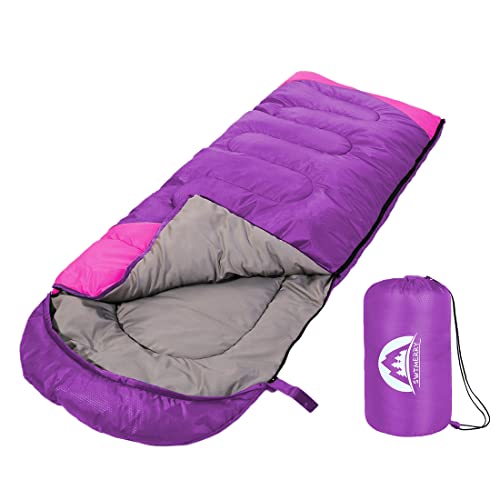
- ✓ Waterproof, weather-resistant
- ✓ Lightweight and portable
- ✓ Easy to clean
- ✕ Zipper can snag
- ✕ Not for extreme cold
| Temperature Rating | 41-77℉ (5-25℃) |
| Comfort Temperature Range | 50-68℉ (10-20℃) |
| Material Outer Cover | Polyester (waterproof, breathable) |
| Lining Material | 190T Polyester Pongee |
| Fill Material | 100% hollow fiber |
| Zipper Design | Bottom separated zipper for foot ventilation |
Last weekend, I tossed and turned on a chilly night, wishing my kid’s old sleeping bag could handle the dropping temperatures. That’s when I pulled out the SWTMERRY 3-Season Sleeping Bag, and honestly, it felt like a game-changer right away.
The first thing I noticed was its sturdy, weather-resistant outer shell. It’s made with waterproof, breathable fabric, so I didn’t worry about dampness or wind sneaking in.
The double-filled technology kept the warmth in, even when the temperature dipped to the low 40s.
What really impressed me was how lightweight and portable it is. It came with a compact carry bag and a compression sack, making it easy to pack for camping or emergency trips.
Plus, the full-length bottom zipper means my kid can stick their feet out if they get too warm or need some fresh air.
Cleaning is a breeze, too—just toss it in the washing machine without worry. The wide range of fun colors makes it perfect for everyone in the family.
I like how versatile it is, whether used for sleepovers, camping, or even as a cozy nap spot at home.
Of course, no product is perfect. The zipper can sometimes get snagged, and the insulation, while great for most conditions, isn’t suited for extremely cold winter nights.
Still, for 3-season use and outdoor adventures, I’d say it hits all the right notes.
Kids Sleeping Bag for Camping, 3 Season Toddler Sleeping Bag

- ✓ Soft, skin-friendly materials
- ✓ Easy-to-use anti-snag zipper
- ✓ Lightweight and portable
- ✕ Limited to 3-season use
- ✕ Zipper might snag if not careful
| Shell Material | 190T polyester |
| Insulation Fill | High-density hollow fiber |
| Temperature Range | Suitable for 3 seasons (spring, summer, autumn) |
| Zipper Type | Two-way anti-snag zipper with reinforced construction |
| Care Instructions | Machine washable, retains shape and softness after multiple washes |
| Weight and Portability | Lightweight with adjustable straps and oversized carry bag for easy packing |
Stumbling upon this kids sleeping bag in the closet, I was surprised to find it still looking fresh and soft—after a few washes, no less. I hadn’t expected a toddler sleeping bag to feel this cozy, especially with its plush cotton lining that instantly makes you want to crawl in yourself.
The first thing I noticed is how lightweight yet sturdy it is. My kid loved how easy it was for him to carry around in the oversized zippered bag, which even he could pack himself.
The design feels thoughtful, especially with the two-way anti-snag zipper that’s super easy for tiny hands to manage, preventing those frustrating zipper catches.
Using it outdoors, I appreciated the breathable 190T polyester shell that keeps little bodies comfortable without overheating. The bottom zipper is a clever feature—on chilly nights, I kept it zipped up for warmth, then unzipped it during warmer evenings for extra airflow.
It really makes this bag versatile across spring, summer, and autumn.
Cleaning is a breeze—just toss it in the washing machine, and it comes out soft and shape-retentive each time. Plus, the exterior resists stains, which is a real lifesaver with active kids.
Whether for camping, sleepovers, or backyard adventures, this bag feels like a dependable and cozy companion for your little one.
Primlect Toddler Nap Mat Pillow, Thickened Extra Large

- ✓ Soft and plush material
- ✓ All-in-one convenience
- ✓ Easy to clean and maintain
- ✕ Slightly bulky when rolled
- ✕ Price could be lower
| Material | Polyester with minky dot fabric lining |
| Pillow Thickness | 4.5 inches |
| Dimensions | Extra large size (specific measurements not provided) |
| Design | All-in-one nap mat with detachable pillow and integrated blanket |
| Cleaning Instructions | Machine washable (remove pillow before washing), avoid bleach |
| Intended Use | Suitable for daycare, preschool, home, camping, and outings |
It’s a busy afternoon at daycare, and as I pack up my toddler’s belongings, I notice how quickly the Primlect Toddler Nap Mat Pillow packs away. The sturdy handle and the neat roll-up design make it effortless to carry, even for little hands.
I unzip the mat to see the plush minky dot lining that feels irresistibly soft to my child’s touch.
The all-in-one design is a game-changer. The thick, supportive pillow, measuring 4.5 inches, adds a cozy touch that my kid instantly snuggles into.
The blanket portion and padded mat are well-sized, giving plenty of room for my toddler to stretch out comfortably. I love how easy it is to detach the pillow for washing—quick, simple, no fuss.
During nap time, I notice the mat’s durability. A quick wash, and it comes out looking fresh, with minimal effort to restore its shape after vacuum compression.
It’s versatile too—I’ve used it for picnics and even a quick camping trip, and it performs just as well outdoors. The elastic design keeps everything snug, and the included name tag is a thoughtful touch for busy environments.
Overall, this nap mat feels like a personal, portable sleep space that keeps my child comfortable and secure wherever we go. It’s lightweight but sturdy, making it perfect for everyday use at preschool or on family outings.
I appreciate the quality and practicality, and it’s become a staple in our routine.
What Essential Features Make a Kids Sleeping Bag Ideal?
When looking for the best kids sleeping bag, several essential features should be considered to ensure comfort, safety, and practicality.
- Size: An ideal kids sleeping bag should be appropriately sized for children, allowing them to move comfortably without feeling restricted. A bag that is too large can lead to heat loss, while one that is too small can be uncomfortable and limit mobility.
- Insulation: Quality insulation is crucial as it ensures the sleeping bag retains heat during colder nights. Materials such as synthetic fill or down feathers offer excellent warmth-to-weight ratios, making them suitable for various climates.
- Material: The outer material should be durable and water-resistant to withstand outdoor conditions and rough usage. Additionally, the inner lining should be soft and breathable to enhance comfort and provide a pleasant sleeping experience.
- Design: Fun and engaging designs can make sleeping bags more appealing to kids. Patterns featuring their favorite characters or bright colors can encourage children to use them more often and make sleepovers or camping trips more enjoyable.
- Temperature Rating: A reliable temperature rating is essential to ensure that the sleeping bag can keep a child warm in the specific conditions they’ll be in. It’s important to choose a sleeping bag that matches the expected temperature range of your camping location or indoor usage.
- Portability: Lightweight and compact sleeping bags are easier for kids to carry and store. Look for designs that come with a stuff sack or are easy to fold, making them convenient for travel and storage.
- Safety Features: Safety features such as zippers with guard flaps and anti-pinch design help prevent any accidental injuries. Additionally, sleeping bags that are free from harmful chemicals or have certifications for safety can provide extra peace of mind for parents.
How Do I Choose the Right Size Sleeping Bag for My Child?
Choosing the right size sleeping bag for your child is essential for comfort and warmth during camping or sleepovers.
- Height: Measure your child’s height to ensure the sleeping bag is long enough to accommodate them without leaving too much extra space.
- Age and Growth: Consider your child’s age and growth patterns; a bag that is too small will quickly become unusable, while one that is too large may not provide adequate insulation.
- Temperature Rating: Look for a sleeping bag with an appropriate temperature rating that matches the conditions where it will be used, ensuring your child stays warm.
- Shape and Design: Choose between different shapes like rectangular or mummy bags based on your child’s comfort preferences and the intended use.
- Weight and Packability: If you plan on hiking or traveling, consider the weight and how compact the bag can be when packed to ensure it’s easy for your child to carry.
When measuring your child’s height, keep in mind that a sleeping bag should ideally be about 10-12 inches longer than their height to allow for movement and growth. This ensures that they can comfortably stretch out while still being warm and cozy.
As children grow rapidly, it’s wise to choose a sleeping bag with a little extra room, but not so much that they will lose heat. A bag that is designed for kids often has a tapered shape that allows for snugness at the feet while still providing room to grow.
Temperature ratings are crucial; check the lowest temperature your child may encounter and select a sleeping bag that can handle that climate. This will help prevent your child from getting cold during the night, which can disrupt their sleep.
The shape of the sleeping bag can impact both comfort and warmth. Rectangular bags offer more room for movement, while mummy bags provide better thermal efficiency by hugging the body’s contours, which is especially important in colder conditions.
Lastly, consider the weight and packability of the sleeping bag if you plan on outdoor adventures. Lightweight and compressible sleeping bags can be easily carried by children, making them ideal for family camping trips or hiking excursions.
What Materials Are Safe and Comfortable for Kids’ Sleeping Bags?
The best kids sleeping bags are made from materials that prioritize safety and comfort for a restful sleep.
- Cotton: Cotton is a natural fabric that is soft, breathable, and hypoallergenic, making it an excellent choice for children’s sleeping bags. It allows for good airflow, preventing overheating, while also being gentle on sensitive skin.
- Polyester: Polyester is a synthetic material known for its durability and lightweight properties. It dries quickly and is often treated to be water-resistant, making it suitable for outdoor adventures without compromising comfort.
- Microfiber: Microfiber sleeping bags are soft and plush, providing a cozy sleeping experience. They are lightweight and easy to pack, plus they usually have moisture-wicking properties, ensuring kids stay dry and comfortable throughout the night.
- Fleece: Fleece is a warm and insulating material that feels soft against the skin. It’s particularly great for colder weather, offering warmth without adding bulk, and is often machine washable for easy care.
- Ripstop Nylon: This material is known for its tear-resistant properties, making it ideal for active kids who might be rough on their gear. Ripstop nylon is also lightweight and water-resistant, providing protection during outdoor camping trips.
How Do Different Designs and Styles Impact a Kids’ Sleeping Bag Selection?
Different designs and styles significantly influence the selection of the best kids sleeping bag by catering to various preferences and practical needs.
- Size and Fit: The size of the sleeping bag is crucial for comfort and warmth. Sleeping bags designed specifically for kids typically feature a more snug fit, ensuring that the insulation is effectively retained, which is vital for retaining body heat during colder nights.
- Material: The materials used in kids’ sleeping bags can vary greatly, impacting warmth, breathability, and weight. Synthetic materials are often lightweight and moisture-wicking, while down insulation provides excellent warmth-to-weight ratios, making them suitable for various camping conditions.
- Design Features: Features such as hoods, draft collars, and zippers enhance functionality. A well-designed hood can keep a child’s head warm, while draft collars prevent heat loss, ensuring a cozy sleeping experience in chilly environments.
- Color and Patterns: The aesthetic appeal of sleeping bags, including colors and patterns, can play a significant role in a child’s preference. Bright colors or fun designs featuring favorite characters can encourage kids to use their sleeping bag more willingly, making the experience more enjoyable.
- Portability: The portability of a sleeping bag is essential for ease of transport, especially for family camping trips or sleepovers. Lightweight sleeping bags that pack down small into a compact size are ideal for young adventurers who may need to carry their own gear.
- Temperature Rating: Temperature ratings indicate the lowest temperature a sleeping bag can be used comfortably. Choosing a sleeping bag with the appropriate rating for the intended use ensures children stay warm and safe during outdoor activities, especially in varying climates.
What Price Range Can I Expect for a High-Quality Kids Sleeping Bag?
The price range for a high-quality kids sleeping bag can vary significantly based on features, materials, and brand reputation.
- Budget Range ($30 – $50): These sleeping bags are often made from synthetic materials and designed for casual use, such as sleepovers or camping in mild weather.
- Mid-Range ($50 – $100): Mid-range options typically offer better insulation, more durable materials, and additional features like built-in pillows or compartments for personal items.
- Premium Range ($100 – $200): Premium sleeping bags are usually made with high-quality down or advanced synthetic insulation, providing superior warmth and packability, and are ideal for serious outdoor adventures.
- Luxury Range ($200 and up): Luxury sleeping bags often include specialized features like waterproof coatings, ultra-lightweight designs, and are crafted for extreme conditions, making them suitable for avid outdoor enthusiasts.
Budget sleeping bags are perfect for families looking for an affordable option for occasional use; while they may lack advanced features, they serve their purpose well for short-term needs.
Mid-range sleeping bags often strike a balance between affordability and performance, making them a solid choice for families who camp regularly or need something durable for multiple seasons.
Premium sleeping bags are a worthwhile investment for those who prioritize comfort and performance in colder conditions, as they are designed to last with superior materials and insulation technology.
For serious campers or those who require the best in terms of comfort and performance, luxury sleeping bags provide unmatched quality and features, but they come at a higher price point that reflects their advanced construction and design.
How Can I Ensure Proper Care and Maintenance for Kids’ Sleeping Bags?
To ensure proper care and maintenance for kids’ sleeping bags, consider the following essential practices:
- Regular Cleaning: Kids’ sleeping bags should be washed regularly to remove dirt, sweat, and odors. Most sleeping bags can be machine washed on a gentle cycle using a mild detergent, but always check the care label for specific instructions to avoid damaging the fabric.
- Drying Techniques: After washing, proper drying is crucial to prevent mold and mildew. It’s best to air dry sleeping bags; however, if you use a dryer, set it to a low heat and include dryer balls to help fluff the insulation evenly.
- Storing Properly: When not in use, store sleeping bags loosely in a breathable cotton bag or hang them up to maintain their loft. Avoid compressing them into small stuff sacks for long periods, as this can lead to loss of insulation and shape.
- Inspecting for Damage: Regularly check for any signs of wear and tear, such as holes or broken zippers. Prompt repairs can extend the life of the sleeping bag; small holes can be patched using repair tape, and zippers can often be fixed with a little lubricant.
- Using a Liner: Consider using a sleeping bag liner, which can help keep the sleeping bag cleaner and add an extra layer of warmth. Liners are easier to wash than the sleeping bag itself and can protect it from spills and accidents.
What Do Parents Say About Their Top Choices for Kids Sleeping Bags?
Parents often share their thoughts on the best kids sleeping bags based on features like material, warmth, and ease of use.
- Lightweight and Portable: Many parents appreciate sleeping bags that are lightweight and easy to pack. This feature is particularly important for camping trips or sleepovers, as it allows for convenience in transport and storage.
- Durable Material: Parents frequently comment on the importance of durable materials that can withstand wear and tear from active children. A robust sleeping bag ensures it will last through multiple seasons and adventures, providing good value over time.
- Temperature Rating: The temperature rating is a crucial consideration for parents, who often seek sleeping bags designed to keep kids warm in various climates. A sleeping bag with an appropriate rating for the intended use helps ensure a comfortable night’s sleep, especially during colder months.
- Fun Designs and Colors: Many parents look for sleeping bags that feature fun designs or colors that appeal to children. Engaging patterns can make bedtime more exciting for kids and help them feel more at home, especially when sleeping away from their usual environment.
- Easy to Clean: Parents often highlight the necessity of sleeping bags that are easy to clean, such as those that are machine washable. This feature is essential for maintaining hygiene, especially given that kids can be messy, and a simple cleaning process adds to the bag’s overall practicality.
- Size and Fit: The size and fit of the sleeping bag are often discussed, with parents noting the importance of a snug yet comfortable fit. A well-sized bag provides adequate warmth without being overly restrictive, allowing for freedom of movement during sleep.