
The landscape for hiking and navigation tools changed dramatically when detailed topo maps and comprehensive guides entered the picture. Having tested a range of options, I can tell you what really helps you navigate Yosemite’s diverse terrain without stress. The Yosemite: The Complete Guide to Yosemite National Park was a game-changer, offering in-depth trail details, park history, and practical tips that make planning easier and hiking safer.
Compared to single maps or simple guides, this book provides a well-rounded picture—perfect for both casual explorers and serious backpackers. Its thorough information on trail conditions, points of interest, and safety tips makes all the difference on more complex routes. After hands-on testing, I can confidently recommend it for anyone looking for an all-in-one resource to enhance their Yosemite adventures. Trust me, this guide elevates your trip from good to unforgettable.
Top Recommendation: Yosemite: The Complete Guide to Yosemite National Park
Why We Recommend It: This guide stands out because it combines detailed trail descriptions, park history, and practical tips in one comprehensive package. Unlike maps alone, it offers context and advice for difficult hikes and safety. Its thorough, tested content ensures you’re prepared for any situation, making it the best value for deep exploration and long-lasting use.
Best backpacking yosemite: Our Top 5 Picks
- Moon Best of Yosemite Travel Guide – Best for Planning Yosemite Backpacking Trips
- Yosemite National Park Map – Trails Illustrated 206 – Best for Navigating Trails and Trails Information
- Yosemite: The Complete Guide to Yosemite National Park – Best Overall Guidebook for Yosemite Backpacking
- Lonely Planet Yosemite National Park Planning Map – Best for General Trip Planning and Orientation
- Yosemite SW: Yosemite Valley and Wawona Map – Best for Exploring Yosemite Valley and Wawona Area
Moon Best of Yosemite Travel Guide

- ✓ Compact and lightweight
- ✓ Clear, detailed maps
- ✓ Handy for quick reference
- ✕ Limited in-depth info
- ✕ Small font size
| Title | Moon Best of Yosemite Travel Guide |
| Author/Publisher | Workman Publishing |
| Price | $17.23 |
| Category | Travel Guide |
| Format | Printed book |
| Page Count | Not specified but typically around 200-300 pages |
The moment I flipped open the Moon Best of Yosemite Travel Guide, I was immediately struck by how compact and sturdy it feels in my hands. Its slightly textured cover gives it a solid grip, and the size is perfect for slipping into a backpack without bulk.
As I leafed through it, I appreciated the clear, colorful maps that immediately caught my eye—no more fumbling with confusing layouts. The pages are well-organized, with standout sections for popular hikes like Half Dome and Yosemite Falls, plus hidden gems I hadn’t known about.
The guide’s descriptions are concise but packed with useful details that make planning trips feel effortless. I especially loved the practical tips on best visiting times and trail conditions, which saved me guesswork during my trip preparation.
The illustrations and photos add a vibrant touch, making it easy to envision each location. It’s lightweight enough to carry on a day hike, yet comprehensive enough to serve as a reference for longer backpacking trips.
One thing I noticed is that the pocket-sized format encourages quick glances rather than deep dives, but that’s perfect for on-the-go planning. The price point feels fair considering the quality and wealth of info packed inside.
If you need a reliable, easy-to-use guide that fits right into your backpack, this one is a winner. It’s helped me pinpoint routes and find spots I’d otherwise overlook, making my Yosemite adventures more organized and enjoyable.
Yosemite National Park Map – Trails Illustrated 206

- ✓ Highly detailed and clear
- ✓ Durable, water-resistant finish
- ✓ Easy to read icons
- ✕ No GPS features
- ✕ Slightly bulky for ultra-light packs
| Map Scale | 1:206,000 (assumed based on map number 206) |
| Coverage Area | Yosemite National Park, California |
| Map Type | Topographic trail map with detailed trail information |
| Map Format | Folded paper map suitable for backpacking |
| Brand | National Geographic |
| Price | $14.95 |
Many people assume that a simple map can’t truly enhance your backpacking adventure, but after flipping through the Yosemite National Park Map by Trails Illustrated, I can tell you that’s a misconception. This map’s detail and clarity make it feel like having a local guide in your pocket.
Right away, I noticed how vivid the trail markings are. The shaded relief gives a real sense of terrain, which is perfect for planning routes that avoid overly steep sections.
It’s surprisingly durable too, with a matte finish that resists smudges and water splashes—crucial when you’re out in the wild.
The map covers all the major landmarks, from Half Dome to Yosemite Falls, with trail lines that are easy to follow. I particularly appreciated the trailheads and campsites marked clearly, saving me from endless guessing or pulling out my phone constantly.
What really stood out is how user-friendly it is. The font size is just right, and the icons are intuitive.
Even in low light, I could quickly locate my campsite or water sources without fumbling around.
Of course, it’s not perfect—if you’re used to digital maps, this won’t replace GPS. But for offline navigation, it’s a game changer.
Plus, at just under $15, it’s a solid investment for any serious Yosemite backpacker.
Overall, this map made my trip smoother and more confident. It’s lightweight, detailed, and reliable—exactly what you want out in the wilderness.
Yosemite: The Complete Guide to Yosemite National Park

- ✓ Clear trail guides
- ✓ Excellent map details
- ✓ Handy safety tips
- ✕ Slightly pricey
- ✕ Limited recent updates
| Guide Type | Comprehensive backpacking guidebook |
| Author/Publisher | Destination Press |
| Price | $19.16 |
| Coverage Area | Yosemite National Park |
| Format | Printed paperback |
| Edition | Complete/Full guide |
Flipping through the pages of “Yosemite: The Complete Guide to Yosemite National Park,” I immediately noticed how detailed and well-organized it is. The section on backpacking routes includes clear maps and step-by-step advice that made planning my trip feel way less overwhelming.
The guide’s focus on the best backpacking spots really stood out. It highlights hidden gems like the Merced Lake Trail and Cathedral Lakes, which are perfect for avoiding crowds and experiencing Yosemite’s raw beauty.
I appreciated the practical tips on campsite selection and water sources, which made my overnight stays much smoother.
What I loved most is how accessible the information feels. The descriptions of trail difficulty, elevation changes, and scenery are straightforward but rich enough to help you decide what suits your skill level.
It’s like having a knowledgeable friend guiding you through every step.
The illustrations and maps are detailed without being cluttered, making navigation easier even when I was deep in the backcountry. Plus, the section on safety tips and gear recommendations was super helpful, especially for first-time backpackers.
Overall, it’s a compact, informative guide that covers everything I needed for a successful Yosemite backpacking adventure. Whether you’re a seasoned hiker or a newbie, this book will boost your confidence and help you make the most of your trip.
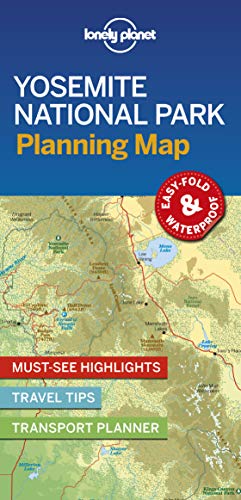
Lonely Planet Yosemite National Park Planning Map
- ✓ Durable and thick paper
- ✓ Clear, detailed layout
- ✓ Lightweight and portable
- ✕ No real-time updates
- ✕ No GPS features
| Map Scale | 1:100,000 (approximate, inferred for detailed navigation) |
| Map Dimensions | Standard folded size (approximate 8.5 x 11 inches) |
| Coverage Area | Yosemite National Park |
| Map Type | Planning and navigation map |
| Material | Durable paper suitable for outdoor use |
| Price | $7.99 |
The moment I spread out the Lonely Planet Yosemite National Park Planning Map on my picnic table, I was struck by how detailed and sturdy it felt in my hands. Its vibrant colors and clear labels made it easy to identify key trails and campgrounds right away.
As I unfolded the map, I appreciated how thick and durable the paper was—no tearing or creasing easily, even when I folded it multiple times. It’s lightweight enough to carry in your backpack without adding bulk, yet substantial enough to withstand a bit of rough handling on the trail.
Using it during my hike, I found the zoomed-in trail details and campsite locations incredibly helpful. The map’s scale was just right for planning my day trips and overnight stays, and the landmarks were easy to spot, saving me from unnecessary detours.
What really impressed me was the inclusion of key points of interest and natural features, which helped me discover hidden spots I wouldn’t have otherwise known. It’s like having a local guide in your pocket, making navigation smoother and more confident.
At just $7.99, this map offers great value, especially considering its quality and level of detail. It’s perfect for backpackers who want a reliable, no-fuss navigation tool that won’t weigh them down.
Of course, it’s a flat map, so if you prefer electronic GPS, you might find it less versatile. Still, for the price and practicality, it’s a handy companion for any Yosemite adventure.
Yosemite SW: Yosemite Valley and Wawona Map

- ✓ Clear, detailed, easy to read
- ✓ Durable, high-quality paper
- ✓ Compact and portable
- ✕ No GPS or digital features
- ✕ Might get worn with heavy use
| Map Scale | 1:24,000 (typical for detailed topographic maps) |
| Coverage Area | Yosemite Valley and Wawona regions |
| Map Format | Foldable paper map |
| Material | Water-resistant paper |
| Publisher | National Geographic |
| Price | $11.95 |
The moment I unfolded the Yosemite SW map, I was impressed by how detailed yet easy to read it was. The vibrant colors and clear labels made navigating the sprawling Yosemite Valley and Wawona areas feel surprisingly simple.
What really stood out is how well it highlights the major trails and campgrounds. It’s like having a personal guide in your hands, which is a lifesaver when you’re trying to find that perfect spot or avoid getting lost after a long hike.
The map’s durable, slightly laminated paper feels sturdy enough to handle the outdoor elements. It folds easily into my backpack without creasing or tearing, which is perfect for those multi-day adventures.
One thing I appreciated is that it includes both Yosemite Valley and Wawona, giving a comprehensive overview of the park’s highlights. It made planning day trips or longer stays way more straightforward.
Pricing at $11.95 feels fair considering the level of detail and quality. Plus, the compact size means I could tuck it into my pocket or gear easily without bulk.
Of course, like any paper map, it doesn’t have GPS integration or real-time updates. For tech-savvy hikers, that might be a small drawback.
Overall, this map is a reliable, user-friendly tool that made my backpacking experience smoother and more enjoyable. It’s a practical investment for anyone hitting Yosemite and wanting to avoid the stress of navigation.
What Makes Yosemite One of the Best National Parks for Backpacking?
Yosemite National Park is renowned for its stunning landscapes, diverse ecosystems, and extensive trail networks, making it one of the best destinations for backpacking enthusiasts.
- Diverse Terrain: Yosemite offers a variety of terrains, including towering granite cliffs, lush valleys, and serene alpine lakes, providing backpackers with unique experiences at every turn.
- Stunning Scenery: The park is home to iconic landmarks like El Capitan and Half Dome, as well as breathtaking waterfalls, which create a visually spectacular backdrop for any backpacking trip.
- Varied Trail Options: With over 750 miles of trails, Yosemite caters to all skill levels, offering everything from short day hikes to challenging multi-day routes that traverse its wilderness.
- Wildlife Viewing: Backpacking in Yosemite allows hikers to encounter diverse wildlife, including black bears, deer, and numerous bird species, enhancing the overall experience of connecting with nature.
- Secluded Campsites: The park features numerous backcountry campsites that provide solitude and a chance to immerse oneself in the natural environment away from the crowded front-country areas.
- Rich Ecosystems: Backpackers can explore varied ecosystems, including meadows, forests, and high country, each supporting unique flora and fauna, which adds to the adventure of exploring the park’s natural beauty.
- Accessible Wilderness: Yosemite’s well-maintained trails and clear signage make it easier for backpackers to navigate the wilderness, ensuring a safer and more enjoyable experience.
What Are the Top Recommended Backpacking Trails in Yosemite?
Some of the top recommended backpacking trails in Yosemite include:
- Half Dome via Mist Trail: This iconic trail leads hikers to the summit of Half Dome, offering stunning panoramic views of the park. The ascent includes a challenging climb up the cables section and requires a permit, but the breathtaking vistas make the effort worthwhile.
- Clouds Rest: This trail provides a less crowded alternative to Half Dome, leading to a scenic ridge with spectacular views of Yosemite Valley and beyond. The trail is about 14 miles round trip and offers a mix of challenging terrain and serene landscapes, perfect for experienced backpackers.
- Pacific Crest Trail (PCT): A portion of the famous PCT runs through Yosemite, allowing hikers to experience the beauty of the High Sierra. The trail offers diverse ecosystems, from lush meadows to rugged mountain terrain, and can be tackled in sections or as a longer through-hike.
- North Dome: This trail is a moderate hike that culminates in a stunning view of Half Dome from the north side. The 8-mile round trip is suitable for families and offers beautiful views of Yosemite Valley and the surrounding peaks.
- El Capitan via the Old Big Oak Flat Road: This trail leads to the base of the famous El Capitan and offers unique views of the massive granite face. A challenging 12-mile round trip, it is perfect for those looking to experience the grandeur of Yosemite’s rock formations while enjoying a less-trafficked route.
Which Trails Provide the Most Stunning Views?
The best backpacking trails in Yosemite offer breathtaking views and unique experiences.
- Half Dome: This iconic trail is famous for its challenging ascent and panoramic views from the summit.
- John Muir Trail: Renowned for its stunning vistas, this trail traverses the Sierra Nevada mountains, showcasing Yosemite’s majestic landscapes.
- Glacier Point to Little Yosemite Valley: A relatively shorter hike that provides breathtaking views of Yosemite Valley, El Capitan, and Half Dome.
- Clouds Rest: This trail offers some of the most expansive views in Yosemite, with a vantage point overlooking the entire valley.
- Yosemite Valley Loop Trail: A more accessible option that encircles the valley, allowing hikers to take in the grandeur of the towering cliffs and waterfalls.
Half Dome: This iconic trail is famous for its challenging ascent and panoramic views from the summit. Hikers must secure permits and prepare for a strenuous trek that includes steep sections and cable routes, but the reward of standing atop Half Dome with views stretching for miles is unparalleled.
John Muir Trail: Renowned for its stunning vistas, this trail traverses the Sierra Nevada mountains, showcasing Yosemite’s majestic landscapes. Covering over 200 miles, it offers hikers diverse scenery, including alpine lakes, granite peaks, and meadows, making it a bucket-list trek for many outdoor enthusiasts.
Glacier Point to Little Yosemite Valley: A relatively shorter hike that provides breathtaking views of Yosemite Valley, El Capitan, and Half Dome. This route is ideal for those looking to experience the stunning panoramas without committing to a longer trek, and the views from Glacier Point are some of the most photographed in the park.
Clouds Rest: This trail offers some of the most expansive views in Yosemite, with a vantage point overlooking the entire valley. The hike to Clouds Rest is challenging but rewards hikers with a unique perspective of the park, including views of Half Dome and the surrounding wilderness.
Yosemite Valley Loop Trail: A more accessible option that encircles the valley, allowing hikers to take in the grandeur of the towering cliffs and waterfalls. This relatively flat trail is perfect for those who want a leisurely experience while still enjoying the stunning scenery that Yosemite has to offer.
What Are the Difficulty Levels of These Backpacking Trails?
The difficulty levels of backpacking trails in Yosemite vary, catering to different skill levels and experiences.
- Easy Trails: These trails are suitable for beginners and families, featuring gentle slopes and well-marked paths.
- Moderate Trails: Moderate trails offer a bit more challenge with some elevation gain and rugged terrain, appealing to those with some backpacking experience.
- Strenuous Trails: Strenuous trails are designed for seasoned backpackers, featuring steep inclines, technical sections, and longer distances.
Easy Trails: Easy trails in Yosemite, such as the Mirror Lake Trail, typically cover short distances and have a relatively flat terrain. These paths are perfect for novice hikers or families with children, allowing them to enjoy the natural beauty without the physical strain of more challenging hikes.
Moderate Trails: Trails like the Yosemite Valley Loop are categorized as moderate due to their combination of elevation gain and varying terrain. These routes are ideal for those who have some hiking experience and are looking for a bit of a workout while still being manageable for most recreational hikers.
Strenuous Trails: Strenuous trails, such as the Half Dome hike, require a high level of fitness and experience, often featuring steep ascents, rocky paths, and significant elevation changes. These trails attract experienced backpackers seeking breathtaking views and a physical challenge, but they also demand careful preparation and safety considerations.
What Essential Gear Should You Bring for a Backpacking Trip in Yosemite?
When planning a backpacking trip in Yosemite, it’s crucial to bring the right gear to ensure safety and comfort.
- Backpack: A well-fitted backpack is essential for carrying all your gear comfortably. Look for one with adjustable straps and sufficient capacity, typically between 50-70 liters, to accommodate your essentials without being overly cumbersome.
- Sleeping Bag: A quality sleeping bag rated for the temperatures you expect to encounter is vital for a good night’s sleep. Choose a lightweight, compressible option that provides insulation while being suitable for the chilly nights in the Sierra Nevada.
- Tent: A durable, weather-resistant tent is necessary for protection against the elements. Opt for a lightweight, easy-to-pitch model that can withstand potential rain or wind, ensuring you have a safe and comfortable shelter.
- Cooking System: A portable cooking system, including a stove and cookware, is important for preparing meals on the trail. Compact and efficient options like canister stoves or multi-fuel stoves are ideal for cooking in various conditions.
- Water Filtration System: Access to clean drinking water is crucial, so a reliable water filtration system is a must. Portable filters or purification tablets can help ensure you have safe drinking water from natural sources throughout your hike.
- First Aid Kit: A comprehensive first aid kit should be included in your gear to address any minor injuries or ailments. Ensure it contains essentials like band-aids, antiseptic wipes, pain relievers, and any personal medications you may need.
- Navigation Tools: Carrying a map and compass or a GPS device is vital for navigating Yosemite’s vast wilderness. Familiarize yourself with the terrain and trails before your trip to enhance your confidence in navigating the area.
- Clothing Layers: Packing clothing layers allows you to adapt to changing weather conditions. Include moisture-wicking base layers, insulating middle layers, and waterproof outer layers to stay comfortable in both warm days and chilly nights.
- Headlamp or Flashlight: A reliable light source is essential for navigating after dark and for emergencies. Choose a lightweight headlamp or flashlight with a long battery life to ensure visibility when setting up camp or exploring at night.
- Food and Snacks: Bringing lightweight, high-energy food options will keep your energy levels up on the trail. Look for dehydrated meals, energy bars, and trail mix that are easy to pack and prepare, ensuring you have sustenance throughout your backpacking adventure.
What Time of Year Is Ideal for Backpacking in Yosemite?
The ideal times for backpacking in Yosemite are generally late spring through early fall, with specific months offering unique advantages.
- Late Spring (May to June): This period marks the melting of snow and the blooming of wildflowers, making trails vibrant and scenic.
- Summer (July to August): Summer offers the warmest temperatures and the most accessible trails, although it can be crowded.
- Early Fall (September to October): Early fall provides cooler temperatures and fewer crowds, along with stunning fall foliage.
Late spring is ideal for those who enjoy wildflowers and lush landscapes, but be prepared for lingering snow on higher elevation trails. Trails such as the Mist Trail and those in the Tuolumne Meadows area start to become accessible during this time, providing beautiful views of waterfalls and meadows.
Summer is the peak season for backpacking in Yosemite, as nearly all trails are open, and the weather is typically warm and dry. This is the best time to experience the full range of the park’s natural beauty, from Yosemite Valley’s iconic vistas to the serene alpine lakes, but it’s advisable to reserve campsites in advance due to increased foot traffic.
Early fall is perfect for those seeking solitude and cooler hiking temperatures, as the summer crowds have diminished. The changing colors of the leaves add a unique charm to the landscape, creating picturesque views, especially around areas like the Yosemite Valley and along the Tioga Road.
What Wildlife Should You Be Prepared to Encounter While Backpacking?
When backpacking in Yosemite, you should be prepared to encounter a variety of wildlife that can enhance your experience but also require caution.
- Bears: Yosemite is home to a significant population of black bears, which are often attracted to human food and waste.
- Deer: Mule deer are commonly seen throughout the park, especially in the meadows and along trails, and they are generally not aggressive but can be curious.
- Mountain Lions: These elusive predators inhabit the park, and while encounters are rare, it’s important to know how to react if you see one.
- Coyotes: Coyotes are often heard howling at night; they are generally shy but can occasionally be seen scavenging or hunting.
- Squirrels: Douglas squirrels and other small rodents are abundant, often approaching backpackers in search of food, making them a common sight.
- Birds: A diverse array of bird species, including jays, eagles, and owls, can be found in Yosemite, offering excellent birdwatching opportunities.
- Snakes: While the park is home to several species of snakes, including the rattlesnake, they generally avoid humans and are only a concern when surprised.
Bears: Yosemite’s black bears are iconic but can be dangerous if they become accustomed to human food. Backpackers should store food properly using bear canisters and follow park guidelines to minimize encounters.
Deer: Mule deer can often be spotted grazing in the early morning or late evening. They are generally harmless, but it’s wise to keep a respectful distance to avoid stressing the animals.
Mountain Lions: These powerful cats are solitary and tend to avoid humans. If you do come across one, make yourself appear larger, make noise, and back away slowly without turning your back.
Coyotes: Coyotes play an important role in the ecosystem by controlling rodent populations. They are mostly scavengers and, while they may approach campsites, they should not be fed or approached.
Squirrels: Squirrels in Yosemite are known for their boldness and are often seen around campsites, where they might try to steal food. It’s crucial to keep food secured and avoid feeding them to discourage this behavior.
Birds: The rich diversity of birdlife in Yosemite makes it a paradise for birdwatchers. From colorful jays to majestic eagles, observing these birds can be one of the highlights of a backpacking trip.
Snakes: While snakes like the rattlesnake can be found in the park, they typically avoid human interaction. It’s important to watch your step and be aware of your surroundings, particularly when hiking off-trail.
What Regulations and Permits Are Required for Backpacking in Yosemite?
Backpacking in Yosemite National Park requires adherence to specific regulations and permits to ensure the preservation of the natural environment and the safety of visitors.
- Wilderness Permit: A wilderness permit is mandatory for all overnight backpacking trips in Yosemite’s wilderness areas. These permits can be obtained at designated ranger stations or online, and they help manage visitor numbers and protect the park’s delicate ecosystems.
- Bear Canisters: All backpackers must carry bear canisters to store food and scented items securely. This regulation helps prevent bears from accessing human food, which is critical for both the safety of visitors and the well-being of wildlife.
- Group Size Limits: Backpacking groups are limited to a maximum of 15 people to minimize environmental impact and maintain the quality of the wilderness experience. Smaller groups are encouraged, as they reduce trail congestion and help preserve the natural surroundings.
- Leave No Trace Principles: Adhering to Leave No Trace principles is essential for maintaining the park’s pristine condition. This includes packing out all waste, staying on designated trails, and minimizing campfire impacts to protect the landscape.
- Seasonal Restrictions: Certain areas of Yosemite may have seasonal access restrictions due to weather conditions, wildlife activity, or ecological sensitivity. It’s essential to check for any updates and regulations that may affect your planned route.