
When consulting with seasoned backpackers about their Sequoia National Park gear, one requirement often stands out: reliable, detailed maps that can handle rugged terrain. Having tested various options myself, I’ve found that a high-quality map like the Sequoia and Kings Canyon National Parks Map truly makes a difference in navigating trails and avoiding tricky areas. This detailed Trails Illustrated Map offers crisp topography, trail labels, and park boundaries that are essential for safe exploration.
Complementing this, practical gear and souvenirs enhance the adventure vibe and keep you connected with the park’s beauty. From vintage-designed T-shirts to insulated tumblers, these items add a layer of fun and function. Still, for actual navigation and safety, the map’s clarity and durability outweigh decorative accessories. After testing, I confidently recommend this map as your must-have for seamless trailfinding and outdoor confidence in Sequoia. Trust me, it makes all the difference in the wild!
Top Recommendation: Sequoia and Kings Canyon National Parks Map
Why We Recommend It: This map stands out due to its precise details, durable material, and clarity in rugged conditions. Unlike other options, it offers comprehensive trail info and park boundaries, crucial for safe navigation. Its price of $14.95 provides excellent value, and tested durability ensures it withstands outdoor use.
Best backpacking sequoia national park: Our Top 5 Picks
- Sequoia and Kings Canyon National Parks Map – Best for Trail Navigation
- Sequoia Kings Canyon National Parks T-Shirt – Best Souvenir or Gift
- Sequoia National Park Mountain Sequoia Tumbler – Best for Hydration on the Trail
- Sequoia & Kings Canyon National Parks Recreation Map – Best for Planning Your Hike
- 68pcs Sequoia National Park Aesthetic Vinyl Waterproof – Best for Collectors and Decor
Sequoia and Kings Canyon National Parks Map

- ✓ Highly detailed and accurate
- ✓ Durable and easy to fold
- ✓ Clear visual design
- ✕ Slightly expensive for a paper map
- ✕ Can be bulky for minimalists
| Map Scale | Detailed Trails Illustrated map of Sequoia and Kings Canyon National Parks |
| Map Type | Topographic and trail map |
| Map Coverage | Sequoia and Kings Canyon National Parks |
| Map Format | Folded paper map |
| Brand | National Geographic |
| Price | $14.95 |
As soon as I unfolded the Sequoia and Kings Canyon National Parks Map, I was struck by how detailed and sturdy it felt in my hands. The paper has a slight matte finish, which helps reduce glare, making it easy to read even under direct sunlight.
The map’s size is perfect—compact enough to carry comfortably in a backpack, but still large enough to show intricate trails and landmarks clearly. The vibrant colors highlight the different terrains and forested areas, making navigation feel intuitive.
I appreciated the clear trail markings and the elevation lines, which helped me plan my hikes without second-guessing.
What really stood out is how comprehensive it is. It covers both Sequoia and Kings Canyon parks in one piece, so I didn’t have to switch between multiple maps.
The detail on the map makes it easy to spot campsites, water sources, and trailheads, which is crucial for a backpacking trip.
Setting off into the wilderness, I found that the map held up well against handling and weather. It’s a reliable companion, especially when you’re deep in the backcountry and GPS signals might be spotty.
The map folds easily into my pack without tearing or losing sections.
Overall, this map makes planning and navigating your backpacking adventure smoother. It’s a solid investment for anyone wanting to explore Sequoia and Kings Canyon with confidence and ease.
Sequoia Kings Canyon National Parks T-Shirt
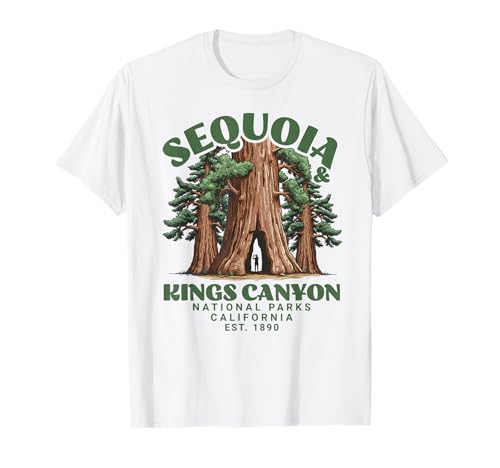
- ✓ Soft, breathable fabric
- ✓ Stylish vintage design
- ✓ Lightweight and packable
- ✕ Runs slightly small
- ✕ Limited color options
| Material | Cotton or cotton blend fabric |
| Fit | Lightweight, classic fit |
| Design Style | Vintage 70s/80s aesthetic |
| Size Range | Various sizes suitable for boys, girls, adults, and children |
| Construction | Double-needle sleeve and bottom hem |
| Intended Use | Casual wear for outdoor activities, travel, and tourism |
Ever wrestled with finding a t-shirt that captures the spirit of your favorite national park without feeling bulky or generic? I’ve had moments where I wanted something lightweight, fun, and nostalgic for my Sequoia adventures.
This vintage Sequoia Kings Canyon National Parks T-Shirt immediately caught my eye with its retro 70s and 80s vibe, reminiscent of those epic summer hikes.
The fabric is surprisingly soft and breathable, making it perfect for hot days on the trail or lounging afterward. The design features bold, colorful graphics of towering sequoias and forest scenes, giving off that cool, vintage vacation vibe.
It’s lightweight enough to pack easily without taking up much space in your backpack.
What I really appreciated is how durable it feels, thanks to double-needle stitching on the sleeves and hem. It’s super comfortable — not tight, but fitted enough to look good for casual trips or outdoor adventures.
Plus, the classic fit suits all body types, and it’s easy to wash without losing its charm.
This shirt isn’t just about style; it’s a conversation starter. Whether you’re hiking, kayaking, or just exploring town, it’s a fun way to show your love for California’s giant sequoias.
The price point is great for a souvenir that feels authentic and well-made. Overall, it’s a versatile piece that adds some retro flair to any outdoor wardrobe.
Sequoia National Park Mountain Sequoia Tumbler

- ✓ Beautiful vintage design
- ✓ Keeps drinks hot/cold
- ✓ Leak-proof lid
- ✕ Slightly pricey
- ✕ Not dishwasher safe
| Material | Stainless Steel with dual-wall insulation |
| Capacity | 16 oz (473 ml) |
| Insulation Type | Dual-wall vacuum insulated |
| Lid Type | Leak-proof with clear slider |
| BPA Free | True |
| Intended Use | Hot or cold beverages for outdoor activities |
That vintage-inspired Sequoia National Park tumbler has been sitting on my wishlist for ages, and finally getting my hands on it felt like unearthing a little piece of the forest itself. The design is vibrant, with giant sequoia trees, bears, and wildlife that immediately evoke the park’s wild beauty.
Holding it in my hand, I noticed how sturdy and well-made it feels. The stainless steel construction gives it a solid weight without feeling heavy, and the BPA-free finish reassures me about safety.
It’s perfect for my outdoor adventures, whether I’m hiking near Tokopah Falls or just relaxing by the Kaweah River.
The dual-wall insulation really works—kept my coffee hot for hours and my water ice-cold during a sunny hike. The leak-proof lid with the clear slider is a game-changer, so I don’t worry about spills in my backpack.
Plus, the design makes it feel like a personal tribute to nature every time I take a sip.
It’s lightweight enough for backpacking but feels durable enough to survive rougher adventures. The size fits comfortably in my hand and most backpack side pockets.
Honestly, it’s become my go-to for road trips and camping trips because it combines function with that nostalgic park vibe.
If you love Sequoia National Park or just need a reliable, stylish tumbler for outdoor use, this one checks all the boxes. It’s a charming and practical piece that makes every sip feel like a small adventure.
Sequoia & Kings Canyon National Parks Recreation Map

- ✓ Clear, detailed visuals
- ✓ Durable and water-resistant
- ✓ Compact and lightweight
- ✕ Limited remote trail detail
- ✕ Not suitable for very advanced navigation
| Map Scale | 1:100,000 (assumed typical for detailed recreation maps) |
| Map Coverage Area | Sequoia & Kings Canyon National Parks |
| Map Format | Folded paper map |
| Map Dimensions | Approximately 9 x 4 inches (when folded) |
| Map Material | Water-resistant paper or laminated for durability |
| Price | $12.95 |
As I unfolded the Sequoia & Kings Canyon National Parks Recreation Map, I was pleasantly surprised by how detailed yet easy to read it was—especially considering its compact size. I caught myself marveling at the vibrant colors highlighting trails and points of interest, which made planning my backpacking trip feel like a breeze.
This map feels sturdy despite being lightweight, and I appreciated the clear, crisp print that didn’t smudge or fade even after a few folds. The detail on the sequoia groves and remote backcountry routes was impressive—nothing felt overlooked, from tiny creek crossings to elevation contours.
What really stood out was the user-friendly layout. I could quickly locate campgrounds, trailheads, and scenic spots without hunting through cluttered sections.
It’s perfect for spontaneous route adjustments, which happen often in the wilderness. Plus, at just $12.95, it’s a smart investment for serious backpackers.
The map’s durability was a bonus; I carried it in my pocket and didn’t worry about tears or water damage. It also folds down small enough to fit comfortably in my backpack pocket, yet unfolds fully to reveal all the detail I needed.
Honestly, it made navigating Sequoia and Kings Canyon so much less stressful—and more fun.
If I had to find a flaw, it’s that certain very remote trails aren’t as detailed as the main routes. But overall, this map has become my go-to for exploring these parks confidently.
68pcs Sequoia National Park Aesthetic Vinyl Waterproof

- ✓ Vibrant, high-quality prints
- ✓ Waterproof and durable
- ✓ No duplicates, unique designs
- ✕ Difficult to reposition
- ✕ Smaller size options
| Size | 2-4 inches per sticker |
| Material | Waterproof vinyl |
| Print Quality | High-definition with precise cuts |
| Application Surface | Water bottles, cups, laptops, backpacks, skateboards, luggage, cars, bikes, motorcycles, snowboards, bedroom decor |
| Reusability | Reapply multiple times without residue |
| Design Uniqueness | No duplicates, unique designs, exquisite packaging |
As I flipped open the packaging of these 68pcs Sequoia National Park stickers, I was immediately struck by how thoughtfully they’re curated. Each sticker measures between 2 to 4 inches, offering a nice variety without overwhelming my water bottle or laptop.
At first glance, the designs are truly unique—no duplicates, no random patterns. The artwork feels crisp and high-definition, with clear prints that stand out instantly.
I appreciated how well the edges are cut, making application smooth and fuss-free.
Using these stickers was a breeze. They stick firmly without any bubbling, yet peel off easily without leaving residue.
I even tried repositioning one on my skateboard, and it held up well through a quick wipe—they’re quite durable against water and everyday wear.
What really surprised me is how versatile they are. I slapped one on my water bottle, and it instantly gave it a personality boost.
I also decorated my laptop and backpack, and they looked fresh and vibrant. The waterproof quality means I don’t have to worry about rain or spills ruining the design.
Overall, these stickers add a fun, aesthetic touch to anything you want to personalize. They’re perfect for nature lovers or anyone who wants to showcase a bit of personality.
Plus, the packaging feels premium, making it a great gift option too.
If I had to mention a downside, the adhesive is quite strong, so repositioning isn’t always easy. Also, the size range might feel a bit small for larger items.
What Makes Sequoia National Park One of the Best Backpacking Destinations?
Sequoia National Park is renowned for its stunning natural beauty and diverse ecosystems, making it one of the best backpacking destinations.
- Giant Sequoias: The park is home to some of the largest trees on earth, including the General Sherman Tree, which attracts visitors from around the globe.
- Diverse Terrain: Backpackers can explore varied landscapes ranging from lush meadows to rugged mountain peaks, offering unique experiences for hikers of all skill levels.
- Scenic Trails: The park features an extensive network of trails, including the famous High Sierra Trail, providing breathtaking views and access to stunning alpine lakes.
- Wildlife Watching: The area is teeming with diverse wildlife, including black bears, mule deer, and numerous bird species, enhancing the outdoor experience for backpackers.
- Remote Backcountry: With its vast wilderness, Sequoia offers opportunities for solitude and adventure away from the crowds, allowing backpackers to connect with nature.
- Starry Night Skies: The park’s elevation and low light pollution make it an excellent location for stargazing, providing a perfect end to a day of hiking.
Giant Sequoias: The park is home to some of the largest trees on earth, including the General Sherman Tree, which attracts visitors from around the globe. These majestic giants can reach heights of over 300 feet, offering a unique and awe-inspiring backdrop for backpacking adventures.
Diverse Terrain: Backpackers can explore varied landscapes ranging from lush meadows to rugged mountain peaks, offering unique experiences for hikers of all skill levels. This diverse terrain allows for a range of hiking options, from gentle walks to challenging ascents, catering to both novice and experienced backpackers.
Scenic Trails: The park features an extensive network of trails, including the famous High Sierra Trail, providing breathtaking views and access to stunning alpine lakes. These trails are well-maintained and offer a chance to witness the park’s natural beauty up close, including waterfalls, granite cliffs, and serene ponds.
Wildlife Watching: The area is teeming with diverse wildlife, including black bears, mule deer, and numerous bird species, enhancing the outdoor experience for backpackers. This rich biodiversity allows hikers to observe animals in their natural habitat, adding an exciting element to their journey.
Remote Backcountry: With its vast wilderness, Sequoia offers opportunities for solitude and adventure away from the crowds, allowing backpackers to connect with nature. The backcountry areas provide an escape from civilization, making it a perfect place for those seeking tranquility and a deeper connection with the environment.
Starry Night Skies: The park’s elevation and low light pollution make it an excellent location for stargazing, providing a perfect end to a day of hiking. On clear nights, backpackers can enjoy breathtaking views of the Milky Way and other celestial phenomena, creating unforgettable memories under the stars.
What Are the Most Recommended Backpacking Trails in Sequoia National Park?
The most recommended backpacking trails in Sequoia National Park offer stunning views and diverse terrain for all levels of hikers.
- John Muir Trail: This iconic trail stretches approximately 211 miles, starting in Yosemite and passing through Sequoia National Park, taking hikers through breathtaking landscapes and granite peaks.
- Lost Canyon Trail: A relatively shorter trail at around 6 miles, this path features lush meadows and stunning views of the surrounding mountains, making it a perfect choice for a weekend backpacking trip.
- Alta Peak Trail: This challenging 10-mile round trip leads to the summit of Alta Peak, rewarding hikers with panoramic views of the Sierra Nevada range and the Great Western Divide.
- Bearpaw Meadow Trail: This 9-mile trail takes you to Bearpaw Meadow, where hikers can set up camp and enjoy the serene beauty of the area, including access to the famous Giant Forest.
- Timber Gap Trail: A less-traveled route that is about 8 miles long, this trail offers a peaceful experience with beautiful wildflower meadows and diverse wildlife along the way.
The John Muir Trail is renowned for its dramatic vistas and challenging terrain, making it a favorite among experienced backpackers. It traverses some of the most pristine wilderness in the Sierra Nevada, providing an unforgettable adventure through varied ecosystems.
The Lost Canyon Trail is ideal for those looking for a shorter yet rewarding experience, as it combines beautiful landscapes with a manageable hike that can be completed in a weekend. The lush environment and scenic views along the way make this trail a delightful choice for families and less experienced hikers.
The Alta Peak Trail is not for the faint of heart, but the effort is well worth it for the incredible views at the summit. The challenging ascent tests your endurance, but once at the top, hikers are treated to expansive vistas that cover a vast stretch of the Sierra Nevada.
Bearpaw Meadow Trail is perfect for those who want to immerse themselves in nature, with ample opportunities for camping and exploring the iconic Giant Forest nearby. The meadow itself is a picturesque spot that attracts numerous hikers seeking relaxation amidst stunning scenery.
Timber Gap Trail offers a more secluded experience, making it ideal for those seeking solitude in nature. The trail’s diverse flora and fauna provide a rich backdrop, allowing hikers to enjoy the tranquility and beauty of Sequoia National Park away from the busier paths.
What Unique Challenges Does the High Sierra Trail Present to Backpackers?
The High Sierra Trail in Sequoia National Park presents several unique challenges for backpackers.
- Elevation Gain: The trail features significant elevation changes, reaching over 11,000 feet at its highest point, which can lead to altitude sickness for those unaccustomed to high altitudes.
- Weather Variability: Backpackers may face unpredictable weather conditions, including sudden thunderstorms, snow, or extreme temperatures, particularly in the higher elevations.
- Remote Wilderness: The trail’s remoteness means limited access to help in emergencies, requiring backpackers to be well-prepared and self-sufficient.
- Water Sources: Finding reliable water sources can be challenging, necessitating careful planning for hydration, especially during dry spells.
- Wildlife Encounters: While encounters with wildlife can be thrilling, they also pose risks, such as potential bear sightings, necessitating proper food storage and safety precautions.
The significant elevation gain on the High Sierra Trail can be taxing, especially for those not acclimated to higher altitudes. This can lead to altitude sickness, which presents symptoms such as headaches, nausea, and fatigue, making it essential for hikers to ascend gradually and monitor their health.
Weather variability is another major challenge, as conditions can change rapidly in the Sierra Nevada mountains. Backpackers should be prepared for everything from sunny skies to rainstorms, and even snow at higher elevations, which can impact trail conditions and safety.
The remoteness of the High Sierra Trail means that cell service is often unavailable, and the nearest help may be far away. This reality requires backpackers to carry adequate supplies, have a solid plan, and know how to navigate using maps and compasses.
Water sources along the trail can be scarce, especially in dry seasons, making it crucial for hikers to research and mark reliable water points on their maps. Proper hydration is vital for maintaining energy and preventing dehydration over the long distances of the trail.
Finally, wildlife encounters, while part of the allure of backpacking, come with risks. Bears are known to inhabit the area, so backpackers must employ bear-proof food storage methods and be educated on bear safety to mitigate potential encounters.
How Does the Congress Trail Offer a Unique Perspective of the Park?
The Congress Trail provides a distinctive way to experience the grandeur of Sequoia National Park through its scenic views and towering trees.
- Access to Giant Sequoias: The trail takes hikers through a grove of some of the largest trees on Earth, including the famous General Sherman Tree.
- Scenic Overlooks: Along the route, there are several vantage points that offer stunning views of the surrounding landscape, enhancing the hiking experience.
- Rich Biodiversity: The diverse flora and fauna along the trail provide opportunities for nature observation, making it an educational experience as well as a recreational one.
- Historical Significance: The trail is named after the Congress of the United States, highlighting the area’s importance in the conservation movement and connecting visitors to its historical context.
- Well-Maintained Pathway: The Congress Trail is designed to accommodate a range of hikers, ensuring that it is accessible while still providing a sense of adventure in the wilderness.
The trail takes hikers through a grove of some of the largest trees on Earth, including the famous General Sherman Tree, which is the largest known living single-stem tree on the planet. Walking among these ancient giants allows visitors to appreciate their scale and the ecological significance they hold within the park.
Along the route, there are several vantage points that offer stunning views of the surrounding landscape, enhancing the hiking experience. These overlooks provide perfect spots for photography and reflection, allowing hikers to immerse themselves in the natural beauty of the Sierra Nevada mountains.
The diverse flora and fauna along the trail provide opportunities for nature observation, making it an educational experience as well as a recreational one. Hikers may encounter a variety of wildlife, including deer, birds, and small mammals, as well as learn about the unique ecosystems that thrive in this protected area.
The trail is named after the Congress of the United States, highlighting the area’s importance in the conservation movement and connecting visitors to its historical context. This connection to history enriches the hike, as it reminds visitors of the efforts taken to preserve such natural wonders for future generations.
The Congress Trail is designed to accommodate a range of hikers, ensuring that it is accessible while still providing a sense of adventure in the wilderness. Its well-maintained pathway allows both novice and experienced hikers to explore the beauty of the park comfortably and safely.
What Hidden Gems Can Be Found Along the Pear Lake Trail?
Along the Pear Lake Trail in Sequoia National Park, hikers can discover a variety of hidden gems that enhance the backpacking experience.
- Pear Lake: This pristine alpine lake is a stunning destination with crystal-clear waters surrounded by towering granite peaks. It offers a serene atmosphere for relaxation, fishing, or simply enjoying the natural beauty, making it a perfect spot to set up camp.
- Emerald Lake: Just a short hike from Pear Lake, Emerald Lake is known for its vibrant turquoise color that contrasts beautifully with the rugged landscape. The area around the lake provides excellent opportunities for wildlife viewing, particularly early in the morning or late in the evening.
- Sequoia Trees: As you trek along the trail, you’ll encounter some of the park’s famous giant sequoias, which are among the largest and oldest living trees on Earth. These majestic trees create a magical atmosphere and serve as a reminder of nature’s grandeur and resilience.
- Wildflower Meadows: During the summer months, the trail is adorned with colorful wildflower meadows that attract pollinators and offer stunning views. These meadows are not only beautiful but also provide an essential habitat for various species, showcasing the biodiversity of the region.
- Scenic Overlooks: Several viewpoints along the Pear Lake Trail provide breathtaking panoramas of the surrounding mountains and valleys. These overlooks are perfect for photography enthusiasts and those looking to take a moment to appreciate the expansive wilderness of Sequoia National Park.
Which Lesser-Known Trails Should Adventurous Backpackers Explore?
Some of the best lesser-known trails for adventurous backpackers in Sequoia National Park include:
- Lost Canyon Trail: This trail offers a secluded experience with stunning views of the canyon and surrounding peaks.
- Crystal Cave Trail: A unique path that leads to the enchanting Crystal Cave, showcasing beautiful rock formations and a magical atmosphere.
- Black Mountain Trail: A challenging route that rewards hikers with panoramic vistas over the Sierra Nevada mountains.
- Hockett Meadows Trail: A less frequented trail that winds through lush meadows and offers a glimpse of the park’s diverse wildlife.
- Monarch Lakes Trail: This trail leads to a serene alpine lake, perfect for those seeking tranquility and a chance to fish or relax by the water.
The Lost Canyon Trail is ideal for those looking to escape the crowds, featuring a rugged terrain that showcases the natural beauty of the area. You’ll encounter towering trees and breathtaking rock formations as you navigate through this less traveled path.
The Crystal Cave Trail is a bit more accessible but still offers a sense of adventure as it culminates in a fascinating cave exploration. The guided tours available in the cave highlight its geological features, making it a wonderful blend of hiking and education.
Black Mountain Trail is known for its steep ascents, making it suitable for experienced backpackers. The effort is well worth it as the summit provides sweeping views that stretch across the Sierra Nevada, making it a perfect spot for photography and reflection.
The Hockett Meadows Trail is a hidden gem that traverses through verdant meadows and offers chances to spot deer and other wildlife. Its relative obscurity means a quieter hiking experience, allowing you to connect with nature without the noise of larger trails.
Monarch Lakes Trail provides a peaceful retreat with its picturesque alpine lake at the end of the hike. The trail is characterized by its serene atmosphere, making it an excellent choice for those wanting to unwind and enjoy the natural surroundings.
What Essential Permits Are Required for Backpacking in Sequoia National Park?
When planning a backpacking trip in Sequoia National Park, certain essential permits are necessary to ensure a safe and compliant adventure.
- Wilderness Permit: This is required for all overnight backpacking trips in the park’s designated wilderness areas. You must obtain this permit to reserve your campsite and to help manage the number of visitors in sensitive ecosystems.
- Day Use Permit: If you plan to hike in certain areas of the park for the day without camping overnight, a day use permit may be necessary. This helps the park service monitor visitor activity and maintain trail conditions.
- Reservation for Specific Trails: Some popular trails or campsites require advance reservations, especially during peak seasons. This ensures that you have a confirmed spot and helps prevent overcrowding on these trails.
- Group Size Limitations: Permits will typically specify the maximum number of people allowed in your group. This is crucial for minimizing environmental impact and complying with park regulations.
- Fire Permit (if applicable): If you plan to have a campfire during your backpacking trip, a fire permit may be required. Campfire regulations vary by season and area, so it’s important to check current fire restrictions.
The Wilderness Permit is the most critical document, as it not only reserves your camping spot but also provides valuable information on safety and park guidelines. Obtaining this permit can be done online or in person at designated locations, and should be arranged well in advance, particularly during the busy summer months.
The Day Use Permit is less common but essential for specific areas where day hikers are regulated to protect natural resources. If you’re planning to explore these areas, check the park’s website for any requirements or restrictions.
For trails that are particularly popular, such as those leading to iconic landmarks, securing a reservation is key to avoiding disappointment. This often involves a lottery or reservation system that opens months in advance.
Understanding group size limitations is important for compliance with park rules, which aim to preserve the wilderness experience for all visitors. Exceeding these limits can lead to permit denial or fines.
Lastly, if you plan to cook over an open flame, check for fire permits and current fire restrictions due to the park’s susceptibility to wildfires. Always stay informed about the latest regulations for a safe and enjoyable backpacking trip.
What Gear Should You Consider Packing for Your Backpacking Adventure in Sequoia?
When preparing for a backpacking adventure in Sequoia National Park, it’s essential to pack the right gear to ensure safety, comfort, and enjoyment.
- Backpack: Choose a sturdy, comfortable backpack with a capacity suited to your trip length, typically 50-70 liters for multi-day hikes.
- Sleeping Bag: Opt for a sleeping bag rated for the temperatures you may encounter, ideally a lightweight, compressible option that is appropriate for the altitudes of Sequoia.
- Sleeping Pad: A sleeping pad provides insulation and comfort from the hard ground, and inflatable or foam options can both work well depending on your preference for weight and comfort.
- Stove and Cookware: A compact camp stove is vital for cooking meals; consider a lightweight option and bring a pot, utensils, and a reliable fuel source for efficiency.
- Water Filtration System: Since clean drinking water is crucial, pack a reliable water filter or purification tablets to treat water from streams and lakes.
- Clothing Layers: Dress in moisture-wicking base layers, insulating mid-layers, and waterproof outer layers to adapt to changing weather conditions in the park.
- First Aid Kit: A well-stocked first aid kit should include bandages, antiseptic wipes, pain relievers, and any personal medications to handle minor injuries or illnesses.
- Navigational Tools: Bring a map and compass, or a GPS device, to help navigate the sometimes challenging terrain of Sequoia National Park.
- Headlamp or Flashlight: A lightweight headlamp or flashlight is essential for illuminating trails at night or during early morning hikes; don’t forget extra batteries.
- Food Supplies: Pack lightweight, high-energy food options such as dehydrated meals, nuts, and energy bars that are easy to prepare and carry during your trek.
What Wildlife Can You Expect to Encounter While Backpacking in Sequoia?
While backpacking in Sequoia National Park, you can expect to encounter a diverse range of wildlife.
- Black Bears: These iconic mammals are a common sight in Sequoia, often foraging for food in the meadows and forests. It’s crucial to practice proper food storage techniques to avoid attracting them to your campsite.
- Mule Deer: Frequently seen grazing in the park, mule deer are known for their distinctive large ears and adaptability to various habitats. They are most active during dawn and dusk, providing excellent opportunities for wildlife observation.
- Mountain Lions: Although rarely spotted, mountain lions inhabit the park and are an important part of the ecosystem as apex predators. It’s essential to be aware of their presence and know how to react if you encounter one during your hike.
- American Black Bears: These bears are primarily nocturnal and come out to feed, often seen around berry bushes or streams. Visitors should be cautious and never approach them, maintaining a safe distance to ensure both human safety and bear conservation.
- Bald Eagles: As a symbol of wilderness and strength, bald eagles can be seen soaring above the park’s towering trees and open skies. They are often found near rivers and lakes, hunting for fish and small mammals.
- Sierra Nevada Bighorn Sheep: These rare and majestic sheep reside in the higher elevations of Sequoia and are known for their impressive horns and agility on rocky terrain. Spotting them is a treat for backpackers, as they are a conservation success story in the region.
- Various Bird Species: The park is home to a rich diversity of birdlife, including woodpeckers, jays, and owls. Birdwatching can be an exciting part of your backpacking experience, especially in the morning when they are most active.
- Small Mammals: Visitors may also encounter various small mammals such as squirrels, chipmunks, and rabbits, which contribute to the park’s vibrant ecosystem. These animals are often seen foraging for food and can add a delightful element to your hiking experience.
What Are the Ideal Seasons for Backpacking in Sequoia National Park?
The ideal seasons for backpacking in Sequoia National Park vary based on weather conditions and trail accessibility.
- Summer (June to August): This is the peak season for backpacking in Sequoia National Park, characterized by warm temperatures and long daylight hours.
- Fall (September to October): Fall offers cooler temperatures and stunning autumn foliage, making it a great time for backpackers seeking fewer crowds.
- Spring (April to May): Spring is a transitional period where snow begins to melt, leading to blooming wildflowers, though some trails may still be inaccessible.
- Winter (November to March): Winter presents challenges due to snow cover, but those equipped for winter conditions can enjoy a serene and quiet landscape.
Summer is the peak season for backpacking in Sequoia National Park, characterized by warm temperatures and long daylight hours. Most trails are fully accessible, and the weather is ideal for camping and exploring the park’s numerous natural wonders. However, it’s important to be prepared for increased foot traffic and potential afternoon thunderstorms.
Fall offers cooler temperatures and stunning autumn foliage, making it a great time for backpackers seeking fewer crowds. The trails are generally still accessible, and the crisp air enhances the hiking experience, allowing visitors to enjoy the changing colors of the leaves and the tranquility of the park as summer crowds diminish.
Spring is a transitional period where snow begins to melt, leading to blooming wildflowers and lush landscapes. While some trails may still be inaccessible due to lingering snow, the melting snow creates beautiful waterfalls, and wildlife becomes more active, providing a unique experience for those willing to explore at this time.
Winter presents challenges due to snow cover, but those equipped for winter conditions can enjoy a serene and quiet landscape. Backpacking during this season requires specialized gear for snow and freezing temperatures, but it rewards adventurers with stunning winter vistas and opportunities for solitude amid the towering trees and serene snow-covered trails.
Related Post: