
When consulting with avid backpackers and park rangers about their essential gear, one thing they always emphasize is how a good, durable pass holder makes life on the trail easier. I’ve tested many, and the National Park Pass Sleeve Glacier Edition stood out by offering rugged protection without sacrificing usability. Its high-resolution, fade-resistant print keeps your park artwork vibrant, and the semi-rigid plastic resists dirt, moisture, and bending — perfect for rough trails or unpredictable weather. Plus, its slim profile makes for easy access at ranger check-ins, saving time and hassle.
After comparing this with lightweight themed shirts like the National Parks USA Word Cloud T-Shirts and Zion National Park Vintage T-Shirt, I found that while both shirts add style and passion for nature, they don’t provide the functional durability a backpacker needs. The sleeve’s protective features and precise barcode access make it the best companion for adventurous days. If you want a practical, tough, yet stylish item that lasts season after season, I confidently recommend the National Park Pass Sleeve Glacier Edition.
Top Recommendation: National Park Pass Sleeve Glacier Edition
Why We Recommend It: This product offers high-res, fade-resistant artwork that doesn’t peel or bubble, unlike cheaper decals. Its semi-rigid, water-resistant plastic withstands dirt, moisture, and bending—ideal for rugged outdoor use. The ultra-slim profile (0.06 inches) minimizes bulk but provides robust protection, and the precise 3.54 x 2.32-inch fit allows quick, hassle-free barcode scanning at park check-ins. Compared to the shirts, it addresses core needs: durability, functionality, and convenience for serious travelers.
Best backpacking national park: Our Top 3 Picks
- National Park Pass Sleeve Glacier Edition – Best for National Park Access and Travel Convenience
- National Parks USA Word Cloud T-Shirts for Men & Women – Best for Celebrating U.S. National Parks
- Zion National Park Utah Vintage T-Shirt Unisex Grey Small – Best for Zion National Park Enthusiasts
National Park Pass Sleeve Glacier Edition

- ✓ Vivid, fade-resistant artwork
- ✓ Durable, lightweight plastic
- ✓ Easy ranger scan access
- ✕ Limited design options
- ✕ Slightly more expensive than stickers
| Material | Premium semi-rigid plastic |
| Dimensions | 3.54 x 2.32 inches (90 x 59 mm) |
| Design Variations | 17 exclusive landscape designs |
| Print Technology | High-resolution, fade-resistant direct ink printing |
| Weight | 0.01 lb (4.5 grams) |
| Protection Features | Scratch, scuff, and moisture resistant with ultra-slim profile |
I was surprised to find that this pass sleeve not only protects my national park pass but actually elevates its look. I expected a basic cover, but the vibrant, high-resolution artwork caught my eye immediately.
It feels like a miniature art piece that also keeps my card safe.
The semi-rigid plastic is surprisingly sturdy—no worries about bending or dirt ruining my pass during hikes. It’s ultra-slim, barely noticeable in my wallet or on my lanyard, yet feels solid enough to withstand rough outdoor conditions.
I’ve used cheaper covers before that peel or bubble, but this one stays pristine, thanks to the fade-resistant direct ink printing.
One of my favorite features is how easy it is for park rangers to scan my barcode without removing the card. It’s a small detail that makes a big difference at busy entrances.
Plus, the variety of 17 landscape designs means I can match my mood or destination—whether I’m feeling the arches or the mountains.
It’s also a great conversation starter with fellow explorers. The artwork is crisp, the fit is perfect, and it feels like a small piece of the national parks I love.
For just under $10, it’s a practical, stylish upgrade that keeps my pass looking fresh season after season.
National Parks USA Word Cloud T-Shirts for Men & Women
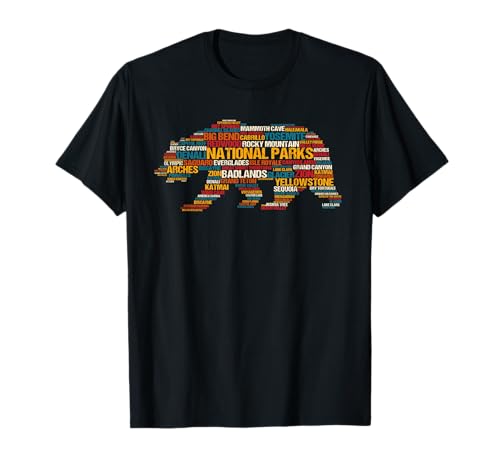
- ✓ Vibrant bear-shaped design
- ✓ Lightweight and comfortable
- ✓ Great price point
- ✕ Limited color options
- ✕ Runs slightly small
| Material | Cotton or cotton blend (assumed for T-shirts) |
| Fit | Lightweight, Classic fit |
| Design | Screen-printed graphic featuring a bear-shaped outline of National Parks |
| Size Range | Available in multiple sizes for men and women (assumed standard T-shirt sizing) |
| Price | $19.99 |
| Intended Use | Casual wear for outdoor enthusiasts, suitable for travel, hiking, camping, and backpacking |
That bold bear-shaped design on this National Parks USA Word Cloud T-Shirt immediately caught my eye, unlike the usual generic mountain or tree graphics I’ve seen elsewhere. It’s fun, eye-catching, and instantly tells you this shirt is for the true outdoor enthusiast.
The lightweight fabric feels perfect for summer hikes or layering during cooler outings. The classic fit is comfortable without being too snug, and the double-needle hem ensures it holds up after multiple washes.
I wore it on a recent weekend camping trip, and it stayed crisp and true to size.
The design itself is vibrant and detailed, with the national parks cleverly forming the shape of a bear—an adorable nod to wildlife lovers. It’s a conversation starter at trailheads and campgrounds, especially for those aiming to visit all the parks someday.
What I really appreciated is how versatile it is. Whether you’re road-tripping, backpacking, or just relaxing at home dreaming of your next adventure, this shirt fits the bill.
The $19.99 price point makes it an easy add-on for any gear haul without feeling like a splurge.
Overall, it’s a fun, functional, and stylish choice for outdoor lovers. Plus, the design’s uniqueness makes it stand out from other typical park shirts.
I can see myself wearing this on multiple trips, proudly representing the beauty of our national parks.
Zion National Park Utah Vintage T-Shirt Unisex Grey Small
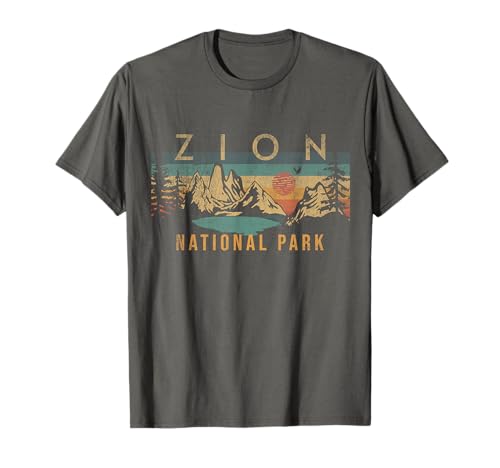
- ✓ Stylish vintage design
- ✓ Lightweight and breathable
- ✓ Durable construction
- ✕ Runs small
- ✕ Limited color options
| Material | Cotton or cotton blend (implied by vintage t-shirt description) |
| Fit | Unisex, classic fit |
| Size | Small |
| Design | Retro Zion National Park sunset mountain graphic |
| Weight | Lightweight fabric |
| Care Instructions | Not specified, but typically machine washable for cotton t-shirts |
The moment I pulled this Zion National Park vintage T-shirt out of the package, I couldn’t help but smile at the retro sunset design. The muted grey fabric feels soft yet sturdy, making it perfect for those outdoor adventures or just casual days exploring the city.
I slipped it on during a hike and instantly appreciated how lightweight it was—no bulk, just pure comfort.
The print of Zion’s rugged mountains and sunset really pops against the grey background. It’s clear the design is high quality—no cracking or fading after a few washes.
I even caught a few fellow hikers admiring its nostalgic vibe, which makes it a fun conversation starter. The fit is classic and relaxed, fitting well without feeling baggy or tight.
What I love most is how versatile it is. Whether you’re hitting trails, camping, or just running errands, this shirt adds a touch of adventure to any outfit.
Plus, it’s unisex, so it’s easy for everyone to wear and enjoy. The double-needle sleeve and bottom hem give it durability, so it should hold up well over multiple adventures.
At just under $18, it’s a steal for a souvenir that feels authentic and stylish. It’s a simple way to show your love for national parks and the great outdoors.
Honestly, I’ve already worn it a few times and keep reaching for it when I want something comfortable and cool that represents my passion for hiking and travel.
What Factors Define the Best Backpacking National Park?
- Scenic Beauty: A park’s natural landscapes, including mountains, lakes, and forests, play a crucial role in attracting backpackers. Stunning vistas and unique geological formations can create memorable experiences and great photo opportunities.
- Trail Variety: The availability of diverse trails catering to different skill levels is essential. A park that offers everything from easy day hikes to challenging multi-day treks ensures that all visitors can find suitable options for their adventure.
- Wildlife Accessibility: The presence of diverse wildlife enhances the backpacking experience. Parks that support healthy ecosystems with visible animal populations allow hikers to enjoy wildlife watching, which adds an exciting element to their journey.
- Camping Facilities: Access to well-maintained campgrounds or backcountry sites is vital for a successful backpacking trip. Parks with designated camping areas often provide essential amenities, such as water sources and restrooms, making the experience more comfortable and enjoyable.
- Weather Conditions: Consistent and favorable weather is important for backpacking safety and enjoyment. Parks with mild climates that allow for extended hiking seasons can attract more visitors and offer better conditions for outdoor activities.
- Permitting and Regulations: Clear and manageable permitting processes are essential for backpackers. Parks that have user-friendly regulations and allow for spontaneous trips without excessive bureaucracy can enhance the overall experience for those seeking adventure.
- Accessibility: Proximity to major cities or transportation hubs can influence a park’s popularity. Easy access to trailheads reduces travel time for backpackers, allowing them to spend more time enjoying the wilderness.
- Safety and Maintenance: The overall safety of the park, including well-marked trails and the presence of rangers or emergency services, is crucial for peace of mind. Parks that are actively maintained and monitored can provide a safer and more enjoyable environment for all visitors.
How Do Terrain and Geography Influence Backpacking Experience?
Trail Difficulty: Trails that are well-maintained and have gradual inclines can make for a more enjoyable trek, while those that are steep and rocky may require advanced skills and preparation. This can affect the choice of park for novice versus experienced backpackers.
Water Sources: Access to streams, lakes, or springs is crucial for long hikes where carrying enough water is impractical. Parks with abundant water sources allow for lighter packs and more flexibility in planning daily distances.
Scenic Views: Parks with varied landscapes often provide stunning vistas that can rejuvenate backpackers and create memorable moments. The geography can dictate the types of views available, whether they are sweeping mountain ranges or tranquil lakes.
Wildlife Encounters: The geographic diversity of a park can attract different species, providing unique opportunities for wildlife watching. Backpackers often seek out these experiences, which can vary dramatically based on the park’s terrain.
What Are the Key Amenities and Services for Backpackers in National Parks?
Restrooms and showers are crucial amenities that provide opportunities for backpackers to maintain personal hygiene, particularly after days of physical exertion on the trails. Access to clean restrooms and sometimes even hot showers can significantly improve the comfort level during a camping trip.
Trail maps and signage are indispensable in national parks, as they guide backpackers along well-established trails and help prevent them from straying into unsafe areas. Clear signage not only enhances navigation but also informs hikers of distance, elevation changes, and potential hazards along the way.
Visitor centers serve as a hub of information and resources for backpackers, offering maps, trail conditions, and even equipment rentals. They often feature knowledgeable staff who can provide personalized recommendations based on the backpackers’ experience level and specific interests.
Access to water sources is a critical amenity, as staying hydrated is essential during outdoor activities. Many parks offer potable water filling stations or natural sources, such as streams and lakes, that can be treated for safe drinking, allowing backpackers to replenish their supplies.
Wildlife viewing areas enhance the backpacking experience by allowing individuals to observe animals in their natural environments. These designated spots are often strategically located to minimize disturbances to wildlife while providing excellent viewing opportunities.
Emergency services are an important consideration for safety, as national parks typically have ranger stations equipped to handle emergencies. Rangers can provide first aid, assist in case of lost hikers, and offer guidance on how to navigate challenging situations, ensuring that backpackers feel secure during their adventure.
Guided tours and programs offered by some parks can greatly enrich the backpacking experience, providing insights into local ecosystems, flora, and fauna. Engaging with knowledgeable guides allows backpackers to deepen their understanding of the park’s natural and cultural history while enjoying the beautiful surroundings.
Which National Parks Are Considered Top Tier for Backpacking Adventures?
The best backpacking national parks offer stunning landscapes, diverse ecosystems, and well-maintained trails that cater to outdoor enthusiasts.
- Yosemite National Park: Known for its majestic granite cliffs and cascading waterfalls, Yosemite provides a variety of backpacking routes suitable for all skill levels.
- Zion National Park: With its stunning canyons and towering rock formations, Zion offers unique backpacking experiences, including the famous Narrows and Angel’s Landing trails.
- Glacier National Park: Renowned for its breathtaking vistas and diverse wildlife, Glacier features over 700 miles of hiking trails, many of which lead to remote backcountry areas.
- Grand Canyon National Park: Offering a dramatic landscape, the Grand Canyon has numerous trails that descend into the canyon, providing unforgettable views and challenging hikes.
- Olympic National Park: This park boasts a diverse range of ecosystems from mountains to coastlines, allowing for a variety of backpacking experiences through lush rainforests and along rugged shores.
Yosemite National Park is a classic destination for backpackers, featuring iconic sights like Half Dome and El Capitan. The park has well-marked trails and backcountry campsites, allowing for both short hikes and extended backpacking trips. Wildlife enthusiasts can also spot black bears, deer, and various bird species along the way.
Zion National Park is famous for its stunning red rock formations and narrow slot canyons. Backpackers can explore some of the park’s most famous hikes, such as the challenging routes up to Angel’s Landing and the scenic trek through the Narrows, where hikers wade through the Virgin River for a unique experience. The park’s diverse geology and flora provide plenty of opportunities for exploration and photography.
Glacier National Park, often referred to as the “Crown of the Continent,” offers some of the most pristine wilderness in the United States. Its extensive trail system includes both day hikes and multi-day backpacking routes, allowing visitors to immerse themselves in the stunning scenery of alpine meadows, glacial lakes, and rugged mountains. Wildlife sightings, including grizzly bears and mountain goats, are common in this remote landscape.
Grand Canyon National Park presents one of the most iconic landscapes in the world, with its vast chasms and intricate rock layers. Backpackers can choose from various trails, such as the Bright Angel Trail or South Kaibab Trail, which lead to the canyon floor and provide opportunities to camp along the Colorado River. The experience of watching the sunrise and sunset over the canyon’s rim is unparalleled.
Olympic National Park features an impressive range of ecosystems, from temperate rainforests to mountainous terrains and rugged coastlines. Backpackers can choose from multiple trails that explore the diverse habitats within the park, such as the Hoh Rain Forest and the scenic coastline of Rialto Beach. The park’s rich biodiversity offers opportunities for wildlife observation, including seals, sea otters, and various bird species.
What Unique Features Stand Out in the Best National Parks?
The best backpacking national parks are distinguished by their unique features that enhance the outdoor experience for hikers and nature enthusiasts.
- Diverse Ecosystems: Many top national parks boast a variety of ecosystems, from lush forests to arid deserts, allowing backpackers to experience different landscapes and wildlife.
- Scenic Trails: The best parks offer an extensive network of scenic trails, often with breathtaking views, unique geological formations, and access to stunning natural landmarks.
- Wildlife Encounters: Renowned national parks are home to diverse wildlife, providing opportunities for backpackers to observe animals in their natural habitats.
- Backcountry Camping: These parks frequently feature designated backcountry camping areas, offering solitude and a chance to immerse oneself in nature away from crowded sites.
- Rich Cultural History: Many national parks also preserve cultural sites and histories, allowing backpackers to explore ancient ruins, historic trails, and learn about indigenous cultures.
Diverse Ecosystems: The best backpacking national parks often showcase a rich tapestry of ecosystems, including mountains, wetlands, forests, and grasslands. This diversity not only enhances the visual appeal but also supports a variety of flora and fauna, offering backpackers a chance to experience a wide range of natural environments within a single trip.
Scenic Trails: National parks known for backpacking typically feature well-maintained and marked trails that traverse stunning scenery. Whether it’s the dramatic vistas of the Rocky Mountains or the serene beauty of coastal paths, these trails provide hikers with memorable experiences and opportunities for photography and exploration.
Wildlife Encounters: A major draw for backpackers is the chance to see wildlife in their natural habitats. Parks like Yellowstone and Glacier attract visitors with their populations of bears, elk, and wolves, enriching the hiking experience with the thrill of potential wildlife sightings.
Backcountry Camping: The availability of backcountry camping allows backpackers to set up camp in remote areas, providing a more authentic outdoor experience. This feature enables hikers to enjoy the tranquility of nature, starry skies, and the sounds of the wilderness, often away from the hustle and bustle of more popular camping spots.
Rich Cultural History: Many national parks incorporate sites of cultural significance, such as ancient petroglyphs and historic trails, which enhance the hiking experience by adding an educational component. Backpackers can learn about the history of the land and the people who once inhabited it, making their journey not just about the physical terrain but also about the stories that shaped it.
How Do Difficulty Levels of Trails Vary Among National Parks?
The difficulty levels of trails in national parks can vary significantly based on terrain, elevation, and environmental conditions.
- Easy Trails: These trails are generally flat and well-maintained, making them accessible for beginners and families.
- Moderate Trails: These trails may include some elevation changes and uneven terrain, requiring a moderate level of fitness and experience.
- Difficult Trails: Challenging trails often feature steep ascents, rocky paths, and longer distances, suitable for experienced hikers.
- Technical Trails: These trails require specialized skills, such as climbing or navigating difficult obstacles, and are intended for highly experienced adventurers.
Easy Trails: These trails typically have minimal elevation gain and are often paved or made of compacted dirt. They are ideal for families with children or individuals who may not have extensive hiking experience, allowing everyone to enjoy the beauty of nature without the physical strain.
Moderate Trails: Moderate trails usually present some challenges, such as gentle hills or uneven surfaces, and may require hikers to have a reasonable level of fitness. These trails are perfect for those looking to experience more of the outdoors without committing to a strenuous hike, often providing scenic views and wildlife encounters.
Difficult Trails: Designed for seasoned hikers, difficult trails can involve significant elevation changes and rougher terrain, demanding physical stamina and good navigation skills. Hikers on these trails should be prepared for longer distances and potentially changing weather conditions, making adequate preparation crucial for safety and enjoyment.
Technical Trails: Technical trails are the most challenging, often requiring climbing gear or advanced hiking skills to navigate steep inclines, boulders, or other obstacles. These trails are suited for expert hikers who are comfortable with risk and have the necessary skills to handle various situations that may arise in remote areas.
What Essential Preparations Are Needed for Backpacking in a National Park?
Essential preparations for backpacking in a national park include planning your route, gathering necessary gear, understanding park regulations, and ensuring proper physical readiness.
- Route Planning: Carefully selecting your trail and daily hiking distances is crucial for a successful backpacking trip. Familiarize yourself with trail maps, elevation changes, and estimated travel times to avoid overexertion and ensure you can reach your campsites safely.
- Gear Selection: Choosing the right gear, including a durable backpack, sleeping system, and appropriate clothing, is vital for comfort and safety. Invest in lightweight and weather-resistant items, as well as navigation tools like a compass or GPS, to enhance your experience and prepare for unexpected weather conditions.
- Understanding Park Regulations: Each national park has specific rules regarding camping, wildlife interactions, and fire safety that you must adhere to. Review these regulations beforehand to ensure you are compliant and can help preserve the park’s natural beauty while protecting yourself and wildlife.
- Physical Preparation: Engaging in a fitness regimen before your trip can greatly enhance your stamina and enjoyment during hikes. Incorporate cardiovascular exercises and strength training to prepare your body for the physical demands of backpacking, allowing you to tackle challenging trails with confidence.
- Food and Water Planning: Properly planning your meals and understanding water sources along your route is essential for maintaining energy levels. Consider lightweight, high-calorie food options and carry a reliable water filtration system to ensure you stay hydrated and nourished throughout your adventure.
- Safety and First Aid: Preparing a first aid kit and knowing basic outdoor safety practices can be lifesaving in emergencies. Familiarize yourself with common injuries and how to treat them, as well as how to handle wildlife encounters, ensuring you are ready for unexpected situations.
What Are the Popular Permitting Requirements for Backpacking Trips?
When planning a backpacking trip, especially in national parks, understanding the permitting requirements is crucial for a successful adventure.
- Backcountry Permits: Most national parks require hikers to obtain a backcountry permit before embarking on their trek.
- Reservation Systems: Some parks implement a reservation system to manage the number of visitors in certain areas, especially during peak seasons.
- Group Size Limits: Many parks enforce limits on the size of groups that can enter certain trails or backcountry areas to minimize environmental impact.
- Wilderness Area Regulations: Specific wilderness areas may have additional regulations regarding campfires, food storage, and camping locations.
- Fees and Payments: There may be fees associated with obtaining permits or using certain campgrounds, which vary by park.
Backcountry Permits: Most national parks require hikers to obtain a backcountry permit before embarking on their trek. This permit is essential not only for tracking visitor numbers for conservation efforts but also for ensuring that hikers are aware of the park’s regulations and safety guidelines.
Reservation Systems: Some parks implement a reservation system to manage the number of visitors in certain areas, especially during peak seasons. This system helps reduce overcrowding and ensures that natural resources are preserved, allowing for a more enjoyable experience in popular hiking spots.
Group Size Limits: Many parks enforce limits on the size of groups that can enter certain trails or backcountry areas to minimize environmental impact. Smaller groups tend to have a lesser effect on the ecosystem, which is vital for maintaining the natural landscape and wildlife.
Wilderness Area Regulations: Specific wilderness areas may have additional regulations regarding campfires, food storage, and camping locations. Adhering to these regulations is crucial for the safety of both the hikers and the environment, as they help prevent issues such as wildfires and wildlife encounters.
Fees and Payments: There may be fees associated with obtaining permits or using certain campgrounds, which vary by park. These fees often contribute to maintenance and preservation efforts within the park, ensuring that facilities remain available for future visitors.
How Can You Choose the Right Gear for Different National Parks?
Choosing the right gear for different national parks involves considering various factors such as terrain, weather, and park regulations.
- Backpack: Selecting a comfortable and appropriately sized backpack is crucial for long hikes.
- Footwear: Proper hiking boots or shoes are essential for supporting your feet on diverse terrains.
- Clothing Layers: Layering your clothing allows for versatility in changing temperatures and conditions.
- Cooking Gear: Depending on the park’s regulations, lightweight cooking equipment can enhance your meal options.
- Navigation Tools: Reliable maps, compasses, or GPS devices are necessary for safe navigation in remote areas.
- Safety Equipment: Items like first aid kits and bear spray are critical for ensuring your safety while hiking.
Backpack: A good backpack should fit comfortably and have enough capacity to carry all your essentials without being overly heavy. Look for features like adjustable straps, ventilation, and multiple compartments for better organization.
Footwear: It’s important to choose footwear that suits the specific conditions of the national park you’re visiting. Trail running shoes may suffice for well-maintained paths, while rugged hiking boots are essential for rocky or uneven terrain.
Clothing Layers: The weather in national parks can change rapidly, so layering is key. Start with moisture-wicking base layers, add insulating mid-layers, and finish with a waterproof and windproof outer layer to protect against the elements.
Cooking Gear: Lightweight stoves, pots, and utensils can make meal preparation easier while backpacking. Ensure that your cooking gear complies with the park’s regulations, as some areas may have restrictions on open fires.
Navigation Tools: Always carry a physical map and compass as backup, even if you plan to use a GPS device. Many national parks have areas with poor cell service, so having traditional navigation tools is vital for your safety.
Safety Equipment: A well-stocked first aid kit tailored to hiking injuries is essential, along with items like bear spray in parks where wildlife encounters are common. Familiarize yourself with the specific risks of the park you’re visiting to ensure you are adequately prepared.
What Safety Precautions Should You Take When Backpacking in National Parks?
When backpacking in national parks, it’s essential to follow safety precautions to ensure a safe and enjoyable experience.
- Research the Area: Familiarize yourself with the park’s terrain, climate, and potential hazards.
- Pack the Right Gear: Ensure you have appropriate equipment, clothing, and supplies for your trip.
- Stay on Marked Trails: Stick to designated paths to avoid getting lost and to protect the environment.
- Inform Someone of Your Plans: Let a friend or family member know your itinerary and expected return time.
- Wildlife Safety: Learn how to safely interact with wildlife, including proper food storage and behavior around animals.
- Hydration and Nutrition: Carry enough water and food to meet your energy needs throughout your hike.
- First Aid Kit: Bring a well-stocked first aid kit to address any minor injuries or emergencies.
- Weather Awareness: Monitor weather forecasts and be prepared for sudden changes in conditions.
Research the Area: Understanding the specific characteristics of the national park you plan to visit is crucial. This includes knowledge about the local fauna and flora, geographical features, and the regulations that might be in place, such as fire restrictions or specific camping zones.
Pack the Right Gear: Your backpack should contain essential items such as a tent, sleeping bag, cooking supplies, and weather-appropriate clothing. It’s also important to include navigation tools, like maps or GPS devices, to help you find your way.
Stay on Marked Trails: Keeping to designated trails minimizes the risk of getting lost and helps protect fragile ecosystems. Straying off-path can lead to soil erosion and disturb wildlife habitats.
Inform Someone of Your Plans: Always communicate your hiking plans with someone who will not be accompanying you. This ensures that someone will be aware of your whereabouts and can seek help if you do not return as scheduled.
Wildlife Safety: Knowing how to manage food and refuse is key to avoiding unwanted encounters with wildlife. Proper food storage techniques, such as using bear canisters or hanging food in trees, can prevent animals from approaching your campsite.
Hydration and Nutrition: Staying hydrated is vital, especially during long hikes. Carrying purification tablets or a water filter can ensure you have access to safe drinking water along your route.
First Aid Kit: A well-prepared first aid kit should include items like band-aids, antiseptics, and medications for common ailments. Knowing basic first aid skills can be invaluable in responding to injuries or health issues on the trail.
Weather Awareness: Weather conditions can change rapidly in national parks, so it’s important to pack layers and be ready for rain or temperature drops. Keeping an eye on the forecast will help you better prepare for your hike.
Related Post: