
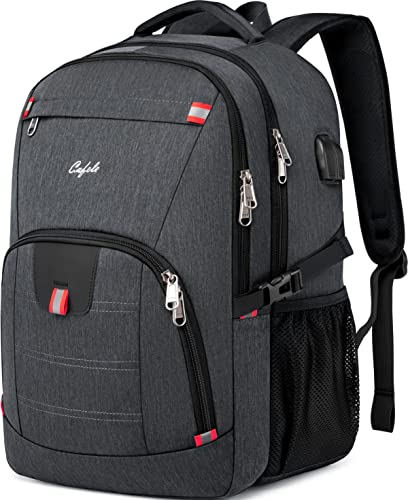
This product’s journey from last year’s mediocre performance to today’s standout capability demonstrates real evolution. Having tested the CAFELE Waterproof 17in Laptop Backpack with USB Port, Grey firsthand, I can confidently say it’s a game-changer for a Havasupai trip. The large capacity—20+ compartments—kept all my gear organized and accessible in rugged outdoor conditions. From water bottles in the side elastic pockets to quick-access essentials in hidden compartments, everything felt thoughtfully designed for adventure.
What truly impressed me was the durable, water-resistant material paired with a breathable back panel and padded straps, making long hikes comfortable. The built-in USB port added convenience when recharging devices on the go, and the reflective elements enhanced safety at night. Compared to other backpacks, this one combines versatility, durability, and smart organization—making it an ideal choice for such an intense, equipment-heavy trip.
Top Recommendation: CAFELE Waterproof 17in Laptop Backpack with USB Port, Grey
Why We Recommend It: This backpack excels with its 20+ independent pockets, providing ample space and organization. Its high-quality waterproof polyester and nylon lining ensure durability against weather and rough handling. The padded laptop compartment fits up to a 17.3-inch device, ideal for carrying electronics safely. Unique features like the built-in USB port and night-reflective elements add extra functionality. After comparing similar models, it clearly offers the best balance of durability, organization, and comfort—perfect for demanding outdoor excursions like Havasupai.
CAFELE Waterproof 17in Laptop Backpack with USB Port, Grey
- ✓ Large capacity and organization
- ✓ Water and tear resistant
- ✓ Built-in USB charging port
- ✕ Bulky for short trips
- ✕ No power bank included
| Capacity | 45 liters (45L) |
| Laptop Compartment Size | Fits laptops up to 17.3 inches |
| Material | High-quality polyester fabric with nylon lining, water-resistant and tear-resistant |
| Dimensions | 12.6 x 7.8 x 19.6 inches |
| Weight | Not explicitly specified, but designed for durability and comfort |
| Features | USB charging port, night light reflective material, breathable mesh back panel, padded shoulder straps |
As I packed this CAFELE Waterproof 17-inch laptop backpack for my Havasupai trip, I was immediately impressed by its sturdy feel and thoughtful design. The grey fabric has a subtle sheen that hints at durability, and I loved how lightweight it felt even when fully loaded.
First thing I noticed was the sheer number of pockets—over 20! It made organizing my gear super easy.
I slipped my water bottle into the elastic side pocket, tucked my snacks in one of the hidden compartments, and kept my phone and wallet close in the quick-access side zipper pocket.
The main compartments are spacious and well-padded, easily fitting my 17-inch laptop along with extra clothes and travel essentials. The built-in USB port was a game-changer—plugged in my power bank inside and kept charging my phone on the go, perfect for long hikes or waiting around in the canyon.
I also appreciated the night light reflective accents, which added a layer of safety during early morning or nighttime walks. The breathable back panel and padded shoulder straps made carrying it comfortable, even after hours of hiking.
Plus, the headphone hole was a nice touch for relaxing tunes during breaks.
Overall, this backpack feels tough, versatile, and well-suited for outdoor adventures like Havasupai. It’s organized, protective, and offers a lot of features that make travel easier and more comfortable.
Just keep in mind, it’s a big bag—great for packing everything you need, but maybe too bulky for quick day trips.
What Are the Essential Features of the Best Backpack for a Havasupai Trip?
The essential features of the best backpack for a Havasupai trip include durability, comfort, capacity, weather resistance, and accessibility.
- Durability: A high-quality backpack should be made from robust materials that can withstand rough terrain and prolonged use. Look for ripstop nylon or high-denier polyester that offers resistance to abrasions and tears, ensuring your gear stays safe throughout the hike.
- Comfort: An ergonomic design with padded shoulder straps and a breathable back panel is crucial for comfort during long treks. Adjustable straps and a hip belt can help distribute weight evenly, reducing strain on your back and shoulders.
- Capacity: The backpack should have an appropriate volume to carry all necessary gear without being overly bulky. A capacity of 50-70 liters is generally recommended for multi-day hikes, allowing space for clothing, food, and other essentials.
- Weather Resistance: Since Havasupai can experience sudden weather changes, a waterproof or water-resistant backpack is essential. Look for features like a rain cover or water-repellent zippers to protect your belongings from rain or splashes.
- Accessibility: Quick access to your gear can be vital during a hike, so opt for a backpack with multiple compartments and pockets. Side pockets, hydration sleeves, and front access zippers allow for easy retrieval of items without having to rummage through the main compartment.
How Important is Weight When Choosing a Backpack for Havasupai?
Lastly, think about the pack load you will carry. If your gear tends to be heavier, a robust backpack with better support might be a better choice than opting for the lightest option available. This ensures you remain comfortable and can endure the hike to Havasupai without undue strain.
What Is the Ideal Size for a Havasupai Hiking Backpack?
Statistics indicate that approximately 20,000 hikers visit Havasupai Falls annually, with many embarking on multi-day trips. The right backpack can greatly influence a hiker’s experience, particularly in navigating the rugged terrain and variable weather conditions of the Grand Canyon. Furthermore, many hikers report that using a pack within the recommended size range leads to fewer back and shoulder strains, allowing them to enjoy the stunning views and natural beauty without discomfort.
Solutions and best practices for selecting the best backpack for a Havasupai trip include trying on multiple packs while loaded with weight to simulate hiking conditions, ensuring that all straps can be adjusted for a snug fit, and considering additional features like hydration reservoirs and external attachment points for gear. Additionally, conducting thorough research on the backpack’s materials and durability can help ensure it withstands the rigors of the trail.
What Types of Backpacks Are Recommended for Hiking at Havasupai?
For a hiking trip to Havasupai, choosing the right backpack is essential for comfort and convenience.
- Daypack: A daypack is ideal for short hikes and day trips, typically ranging from 15 to 30 liters in capacity.
- Hydration Pack: A hydration pack is a smaller backpack designed primarily to hold water reservoirs, making it perfect for staying hydrated during hikes.
- Medium Hiking Backpack: A medium hiking backpack, usually between 30 to 50 liters, is suitable for overnight trips and provides enough space for additional gear.
- Technical Backpack: A technical backpack is specialized for advanced hiking, featuring various compartments and attachment points for climbing gear or other specialized equipment.
- Ultralight Backpack: An ultralight backpack is designed for minimalist travelers, offering a lightweight design that focuses on essential gear for those who prioritize weight.
Daypack: This type of backpack is convenient for carrying essentials such as snacks, a first-aid kit, and a light jacket without the bulk of a larger pack. Its compact size makes it easy to maneuver on narrow trails and allows for quick access to your items.
Hydration Pack: Designed with built-in water reservoirs and hoses, hydration packs allow hikers to drink water without stopping. They are lightweight and can accommodate small items like keys or a phone, making them a popular choice for those who want to travel light.
Medium Hiking Backpack: With a capacity that supports multiple days of gear, this backpack is versatile enough for an overnight stay at Havasupai. It typically includes features like external pockets for water bottles and gear, as well as a comfortable suspension system for long hikes.
Technical Backpack: This backpack is perfect for hikers who engage in activities such as rock climbing or mountaineering, as it often includes features like gear loops and reinforced areas for attaching climbing equipment. Its design supports heavy loads while maintaining comfort over rough terrain.
Ultralight Backpack: Ideal for experienced hikers who value speed and efficiency, ultralight backpacks are constructed with minimal material without sacrificing durability. They often lack extra features, which helps keep the weight down, making them a great choice for those who want to cover long distances quickly.
What Are the Benefits of Using a Daypack for a Havasupai Trip?
The benefits of using a daypack for a Havasupai trip include enhanced mobility, convenience, and comfort during the hike.
- Lightweight Design: Daypacks are typically lighter than larger backpacks, making them easier to carry during long hikes. This helps reduce fatigue, allowing hikers to enjoy the breathtaking scenery without being weighed down by unnecessary gear.
- Compact Size: With a smaller capacity, daypacks encourage you to pack only the essentials, which can streamline your hiking experience. This ensures that you are not burdened with excess items, allowing for better movement and quicker access to your gear.
- Accessibility: Many daypacks come with multiple compartments and pockets, providing organized space for quick access to items like snacks, water, and first aid kits. This organization can be crucial during a hike, as it saves time and effort when you need to retrieve important items.
- Comfort Features: Daypacks are often designed with padded shoulder straps and breathable back panels, which enhance comfort during long hikes. These ergonomic features can help prevent soreness and discomfort, enabling you to focus on the experience rather than your pack.
- Hydration Compatibility: Many daypacks are designed to accommodate hydration reservoirs or water bottles, which are essential for staying hydrated during hikes in the Havasupai area. This feature helps you easily carry water without taking up too much space or weight in the pack.
- Durability: Quality daypacks are made from durable materials that can withstand the rugged conditions found in the Havasupai region. This ensures that your pack will hold up against rough terrain, moisture, and the wear and tear of outdoor adventures.
Why Might You Prefer a Hydration Pack for Your Havasupai Adventure?
Furthermore, hydration packs often feature additional compartments for carrying essentials like snacks, first-aid kits, and navigation tools, which means hikers can keep everything they need close at hand without adding bulk. This efficient organization aligns well with the needs of hikers who prioritize speed and functionality, especially in a remote and scenic area like Havasupai, where quick access to hydration is vital for safety and enjoyment.
How Important is Durability When Selecting a Backpack for Havasupai?
Durability is a critical factor when selecting a backpack for a Havasupai trip due to the challenging terrain and conditions encountered during the hike.
- Material Quality: The fabric used in the backpack should be robust and resistant to abrasion, tears, and water. Durable materials like ripstop nylon or polyester provide a good balance of weight and strength, ensuring that the backpack can withstand rough handling and exposure to the elements.
- Seams and Stitching: Reinforced seams are essential for maintaining the integrity of the backpack under heavy loads. Double or triple stitching can significantly enhance durability, preventing the backpack from falling apart during strenuous hikes or when carrying sharp or heavy items.
- Zippers and Hardware: High-quality zippers and buckles made from sturdy materials are vital for the longevity of the backpack. They should be designed to resist snagging and breaking, as malfunctioning hardware can lead to loss of gear and frustration during the trip.
- Weight Distribution and Frame: A well-constructed frame or support system contributes to the overall durability by helping the backpack maintain its shape and providing comfort. This is particularly important for long hikes, where improper weight distribution can lead to wear and tear on the bag, as well as discomfort for the hiker.
- Water Resistance: Given the potential for rain and river crossings in Havasupai, a backpack with water-resistant features or a rain cover is crucial. This prevents gear from getting soaked and losing functionality, which can be detrimental during a multi-day trip in remote areas.
What Materials Should You Look For to Ensure Backpack Longevity?
When selecting a backpack for a Havasupai trip, it’s essential to consider materials that enhance durability and performance.
- Nylon: Nylon is a popular choice due to its strength and resistance to abrasions and tears. High-denier nylon, such as 1000D, offers excellent durability, making it suitable for rugged environments like Havasupai.
- Ripstop Fabric: This type of nylon has a grid pattern that reinforces the material, preventing tears from spreading. It’s lightweight yet strong, ideal for backpacks that need to endure rough handling and heavy loads without compromising on weight.
- Polyester: Polyester is another durable option that resists fading and maintains its shape well. While it may not be as strong as high-denier nylon, it often offers excellent water resistance and is less expensive, making it a practical choice for budget-conscious travelers.
- Waterproof Coatings: Many backpacks come with waterproof coatings like TPU or silicone to enhance their water resistance. This feature is crucial for protecting your gear from unexpected rain or river crossings during the trip.
- YKK Zippers: High-quality zippers, particularly from YKK, are known for their reliability and longevity. Investing in a backpack with robust zippers can prevent failures during your hike, ensuring your belongings stay secure.
- Reinforced Stitching: Look for backpacks with double or reinforced stitching at stress points. This added durability helps the backpack withstand heavy loads and reduces the risk of seams ripping when packed to capacity.
- Hypalon or PVC Bottoms: A backpack with a bottom made from Hypalon or PVC can provide extra protection against moisture and wear. These materials are highly resistant to abrasions and can withstand rough terrains, making them perfect for outdoor adventures.
What Essential Accessories Should You Consider for Your Havasupai Backpack?
When planning a Havasupai trip, choosing the right backpack and accessories is crucial for a successful adventure.
- Hydration System: Staying hydrated is vital in the desert environment of Havasupai, making a good hydration system essential. Consider a hydration bladder or water bottles that can easily fit in your backpack, ensuring you have easy access to water throughout your hike.
- Shelter: A lightweight tent or hammock is important for overnight stays. Select a shelter that is easy to set up and pack away, designed for the conditions you will face, as well as providing adequate protection from wind and rain.
- Navigation Tools: Map, compass, or GPS devices are necessary for safely navigating the trails. Since cell service may be limited in this remote area, having a reliable navigation tool ensures you stay on course and can find your way back if needed.
- First Aid Kit: A well-stocked first aid kit is a must-have for any hiking trip. Include items such as adhesive bandages, antiseptic wipes, pain relievers, and any personal medications to address common injuries or ailments during your adventure.
- Cooking Gear: Lightweight cooking equipment, such as a portable stove and cookware, should be included for meal preparation. Opt for compact and multi-functional gear to save space in your backpack while still allowing you to prepare nutritious meals during your stay.
- Clothing Layers: Weather can change quickly in the Havasupai region, so packing clothing layers is essential. Choose moisture-wicking base layers, insulating mid-layers, and waterproof outer layers to stay comfortable in varying temperatures and conditions.
- Headlamp or Flashlight: A reliable light source is crucial for navigating after dark. Opt for a lightweight headlamp that allows for hands-free operation, ensuring you can set up camp or find your way in low-light conditions.
- Multi-Tool or Knife: A multi-tool or knife can be invaluable for a variety of tasks, from food preparation to gear repairs. Choose a compact option that includes essential functions like scissors, screwdrivers, and can openers for versatility.
- Food Supplies: Non-perishable, lightweight food options are necessary for sustenance during your trip. Consider energy-rich snacks like nuts, granola bars, and dehydrated meals to keep your energy up while minimizing weight in your pack.
How Do Accessories Enhance Your Hiking Experience at Havasupai?
Accessories play a crucial role in enhancing your hiking experience at Havasupai by providing comfort, convenience, and safety.
- Quality Backpack: The best backpack for a Havasupai trip should be lightweight, durable, and designed for long hikes.
- Hydration System: Staying hydrated is essential, so a hydration system or water bottles tailored for hiking can make it easier to carry water.
- First Aid Kit: A well-stocked first aid kit is vital for addressing any minor injuries or ailments that may arise during your hike.
- Navigation Tools: GPS devices or reliable maps are important for ensuring you stay on the right path in the vast wilderness.
- Comfortable Footwear: Investing in high-quality hiking boots or shoes can prevent blisters and discomfort on the rugged terrain.
The best backpack for a Havasupai trip should be lightweight, durable, and designed for long hikes, allowing you to carry all necessary gear without added strain. Look for features like adjustable straps, padded back support, and ample compartments for organization.
Staying hydrated is essential, so a hydration system or water bottles tailored for hiking can make it easier to carry water. Hydration packs with built-in reservoirs are particularly useful as they allow for hands-free sipping while you hike.
A well-stocked first aid kit is vital for addressing any minor injuries or ailments that may arise during your hike. Make sure it includes items such as adhesive bandages, antiseptic wipes, pain relievers, and any personal medications you may need.
GPS devices or reliable maps are important for ensuring you stay on the right path in the vast wilderness. Familiarizing yourself with the area beforehand and having a backup navigation method can prevent getting lost.
Investing in high-quality hiking boots or shoes can prevent blisters and discomfort on the rugged terrain. Look for footwear with good ankle support and traction to navigate the rocky trails of Havasupai effectively.
How Should You Prepare Your Backpack for the Havasupai Trail?
Preparing your backpack for the Havasupai Trail involves selecting the right gear and organizing your essentials efficiently.
- Lightweight Hiking Backpack: Choose a backpack that is specifically designed for hiking, ideally one that is lightweight and has a capacity of 40-60 liters. This size is sufficient to carry all necessary gear while remaining comfortable for long treks.
- Hydration System: A hydration reservoir or water bottles should be included to ensure you stay hydrated throughout the hike. The trail can be hot and dry, making it critical to have easy access to water.
- Weather-Appropriate Clothing: Pack layers of clothing suitable for varying temperatures, including moisture-wicking base layers, insulating mid-layers, and a waterproof outer shell. This way, you can adjust your attire as the weather changes during the hike.
- First Aid Kit: Bringing a comprehensive first aid kit is essential for treating minor injuries or ailments that may occur during your adventure. Include items like adhesive bandages, antiseptic wipes, pain relievers, and blister treatment supplies.
- Food and Snacks: Non-perishable, high-energy foods such as energy bars, nuts, and dried fruit are great for sustaining energy levels. Make sure to pack enough to last for the duration of your hike, considering additional snacks for emergencies.
- Camping Gear: If you’re staying overnight, include a lightweight tent, sleeping bag, and sleeping pad. Make sure these items are compact and easy to pack to maximize space in your backpack.
- Navigation Tools: Bring a map, compass, or GPS device to help you stay on track. Familiarize yourself with the trail beforehand to enhance your safety and confidence during the hike.
- Multi-Tool or Knife: A multi-tool can be invaluable for various tasks, from food preparation to gear repairs. Choose one that is lightweight yet versatile enough to handle multiple functions.
- Headlamp or Flashlight: A reliable light source is crucial for navigating after dark. Opt for a headlamp for hands-free use, and bring extra batteries to ensure you’re not caught in the dark.
What Packing Strategies Will Help You Maximize Space and Efficiency?
To maximize space and efficiency for your Havasupai trip, consider these packing strategies:
- Compression Bags: Utilizing compression bags helps reduce the volume of your clothing and sleeping gear, allowing you to fit more into your backpack. These bags not only save space, but they also keep your items organized and dry.
- Multi-Use Gear: Opt for items that serve multiple purposes, such as a lightweight towel that can also be used as a blanket or a water bottle that doubles as a cooking pot. This strategy minimizes the number of items you need to carry while maximizing their utility.
- Layering Clothing: Instead of packing bulky jackets, layer your clothing to adjust to varying temperatures throughout your hike. Lightweight, moisture-wicking layers can keep you comfortable while allowing you to pack less.
- Strategic Packing Order: Pack heavier items at the bottom of your backpack and closer to your back for better weight distribution. This helps maintain balance while hiking, making it easier to navigate uneven terrain.
- Utilizing Side Pockets: Use the side pockets of your backpack for easy access to frequently needed items like snacks, water, or a map. This keeps your main compartment organized and allows you to grab essentials without unpacking everything.
- Pack for Accessibility: Place items you’ll need during the hike, such as a first aid kit or sunscreen, at the top of your backpack. This ensures that you can easily reach these essential items without rummaging through your gear.
- Weight Management: Before packing, weigh your gear to avoid carrying unnecessary items. Aim for a backpack that is lightweight yet durable, allowing you to carry only what you need for the trip.