
The landscape for small cycling rucksacks changed dramatically when lightweight, durable, and feature-packed options entered the scene. After testing several, I found that a perfect balance of size, comfort, and utility makes all the difference. The WINDCHASER MTB Backpack 6L Mountain Bike Daypack stands out with its waterproof nylon, water reservoir compatibility, and reflective strips—key for quick rides or short runs. It’s surprisingly spacious yet compact enough to keep your load minimal and manageable, and the adjustable straps ensure a snug fit whether you’re biking or jogging.
While some options like the Arvano 6L offer excellent hydration features and headphone access, they fall slightly short in waterproofing and reflective safety elements. The super-light SUIKIHUM and AUUEYY packs excel in portability and affordability but lack the rugged water resistance or ergonomic fit of the WINDCHASER. For serious outdoor use and robust build quality, this backpack truly ticks all the boxes—making it the friendliest, most reliable choice for active folks like you. Trust me, it’s ready for anything outdoor adventures demand!
Top Recommendation: WINDCHASER MTB Backpack 6L Mountain Bike Daypack
Why We Recommend It: It offers waterproof, tear-resistant nylon, a 6L capacity with water reservoir compatibility, and reflective safety features. Its ergonomic design and adjustable straps ensure comfort during intense rides. Compared to others, it combines durability, safety, and size perfectly, making it the best value for active outdoor use.
Best small cycling rucksack: Our Top 5 Picks
- WINDCHASER MTB Backpack 6L Mountain Bike Daypack – Best small bike backpack
- Arvano 6L Mountain Bike Backpack for MTB, Hiking, Skiing – Best Value
- SUIKIHUM Lightweight Foldable Hiking Daypack – Best lightweight cycling rucksack
- AUUEYY Foldable Outdoor Backpack Ultralight Hiking Rucksack – Best minimalist cycling rucksack
- Thule Paramount Bike Backpack 28L with Helmet Attachment – Best slim cycling rucksack
WINDCHASER MTB Backpack 6L Mountain Bike Daypack
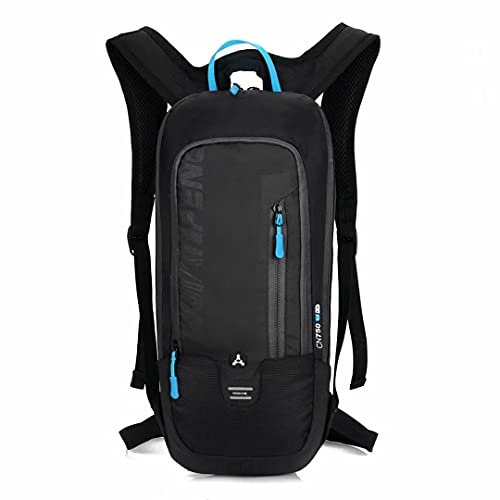
- ✓ Lightweight and comfortable
- ✓ Waterproof and tear resistant
- ✓ Reflective safety strips
- ✕ Limited storage space
- ✕ No included water reservoir
| Capacity | 6 liters |
| Water Reservoir Compatibility | Fits 2-liter water reservoir (not included) |
| Material | Waterproof and tear-resistant nylon fabric |
| Weight | Lightweight (exact weight not specified, inferred as ultralight) |
| Adjustable Straps | Yes, including shoulder and waist straps |
| Safety Features | Reflective strip on shoulder straps |
Unlike bulky cycling backpacks that feel like you’re carrying a suitcase on your back, the WINDCHASER MTB Backpack 6L feels almost invisible when you’re riding. Its sleek, sporty design immediately caught my eye, with a lightweight feel that doesn’t weigh you down during those quick sprints or long rides.
The fabric is impressively waterproof and tear-resistant, which is a huge plus when you’re caught in unexpected rain or brushing past rough foliage. I appreciated the special hole for the water reservoir—no fuss, easy to access, and perfect for staying hydrated on the go.
The 2-liter capacity fits my water bladder comfortably, and I didn’t worry about leaks or wear after a few rides.
The adjustable shoulder and waist straps make it easy to fine-tune the fit, whether I was cycling fast or just cruising. The straps are padded enough to stay comfy without causing pressure points.
Plus, the reflective strips add a safety touch that’s noticeable without being flashy, especially in low-light conditions.
What really sold me is how versatile this little pack is. It’s perfect for quick rides, jogs, or even a short hike.
I found it to be a faithful companion—small but functional, and it didn’t interfere with my movement or balance.
Overall, this backpack is a smart choice if you want something lightweight, durable, and ready for outdoor sports. Sure, it’s compact, but it packs a punch in usability and style without breaking the bank.
Arvano 6L Mountain Bike Backpack for MTB, Hiking, Skiing
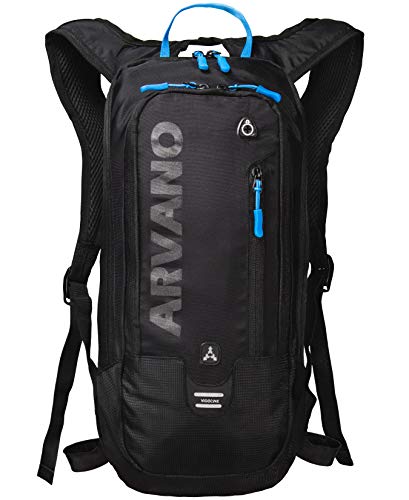
- ✓ Lightweight and compact
- ✓ Ergonomic, comfortable fit
- ✓ Reflective safety strips
- ✕ Hydration bladder not included
- ✕ Limited storage space
| Capacity | 6 liters (approx. 183 cubic inches) |
| Dimensions | 45 cm x 21.8 cm x 5 cm (17.7 in x 8.6 in x 2 in) |
| Weight | 0.5 kg (1.1 lbs) |
| Hydration Bladder Capacity | Up to 2.0 liters (70 oz) |
| Material | Lightweight, durable synthetic fabric (implied) |
| Features | Ergonomic design with adjustable straps, reflective strips for visibility, headphone output port |
You’re out on a crisp mountain trail, helmet on, ready for a quick ride, when you realize your old backpack just isn’t cutting it. That’s when you spot the Arvano 6L Mountain Bike Backpack strapped to a fellow rider’s back.
Its slim profile and sleek design immediately catch your eye.
Holding it in your hands, you notice how light it feels—just 1.1 pounds—yet it’s sturdy enough to hold what you need. The dimensions, about 18 inches tall and less than 9 inches wide, make it compact, perfect for weaving through tight spots on your bike.
The two-way zipper glides smoothly, giving you easy access to your gear without fuss.
What really stands out is the ergonomic design. The padded back and adjustable straps sit snugly, so nothing bounces or chafes during your ride.
Plus, the reflective strips are a nice touch, boosting visibility when you’re cruising at dusk.
The hydration system compatibility is a game-changer. You can fit up to a 2L bladder, which means less time stopping and more time riding.
The small front compartment with a zipper and headphone port makes it easy to keep your phone handy and listen to tunes without fuss.
All in all, this backpack feels like a perfect companion for mountain biking, hiking, or even snowboarding. It’s lightweight, comfortable, and smartly designed for active outdoor adventures.
SUIKIHUM Lightweight Foldable Hiking Daypack
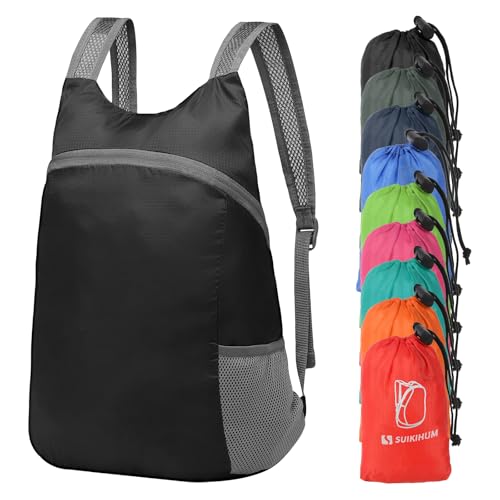
| Material | Polyester fabric with water-repellent coating |
| Capacity | 20 liters |
| Weight | 2.3 ounces (approximately 65 grams) |
| Dimensions (Unfolded) | 11.79 (L) x 4.32 (W) x 16.11 (H) inches |
| Dimensions (Folded) | 8.6 (L) x 3.1 (W) x 1.06 (H) inches |
| Strap Features | Breathable mesh with adjustable buckles |
The SUIKIHUM Lightweight Foldable Hiking Daypack immediately caught my attention with its ultra-lightweight design, weighing in at just 2.3 ounces. Despite its minimal weight, it boasts a spacious 20L capacity, making it perfect for quick trips or cycling adventures where every ounce counts.
Built from durable polyester fabric with a water-repellent coating, this backpack is surprisingly sturdy for such a light pack. I appreciated the scratch- and wear-resistant surface, which held up well during a recent day of cycling through rough terrain, and the internal space easily accommodated a change of clothes and a water bottle without feeling cramped. When comparing different best small cycling rucksack options, this model stands out for its quality.
The foldable feature really stood out – when packed down to just 8.6 inches long by 3.1 inches wide and 1.06 inches high, it easily slipped into my pocket or inner bag. Plus, the breathable mesh shoulder straps kept me comfortable even during a sweaty ride, making it a versatile choice for outdoor activities.
AUUEYY Foldable Outdoor Backpack Ultralight Hiking Rucksack

- ✓ Lightweight and compact
- ✓ Spacious and organized
- ✓ Water-resistant fabric
- ✕ Limited color options
- ✕ No sternum strap
| Capacity | Up to 35 liters |
| Material | High-density nylon fabric |
| Water Resistance | Effective against daily water spills |
| Dimensions | Foldable to a compact size for storage |
| Adjustable Straps | Padded shoulder straps and waist belt for customizable fit |
| Additional Storage | Multiple side pockets for accessories such as umbrellas and water bottles |
You grab the AUUEYY foldable outdoor backpack and immediately notice how light it feels in your hands—almost featherweight. As you unfold it, the compact size transforms into a surprisingly spacious rucksack with a main compartment big enough for your laptop and extra gear.
The high-density nylon fabric gives it a sturdy yet soft texture, and when you splash a little water on it, it beads right off—no soaking through. The padded shoulder straps and adjustable waist belt make it comfortable to wear, even when you’re carrying a full load up a hill.
The multiple pockets are a game-changer. You slip your water bottle into one side, your phone and wallet into the front pocket, and stash your umbrella and snacks in the side compartments.
Everything feels organized and easy to access—no more digging around for essentials during your ride or hike.
What really impresses you is how easily it folds back into a flat, compact shape. Perfect for packing into a larger bag or stashing in your car when not in use.
The capacity of up to 35 liters means you can pack enough for a day trip without feeling weighed down.
Overall, this backpack combines practicality with portability. It’s durable enough for outdoor adventures and smart enough to handle daily errands.
Plus, at just $9.99, it feels like a steal for such a versatile, lightweight pack.
Thule Paramount Bike Backpack 28L with Helmet Attachment

- ✓ Durable water-resistant fabric
- ✓ Comfortable adjustable harness
- ✓ Reflective rain cover
- ✕ Slightly pricey
- ✕ Limited storage capacity
| Capacity | 28 liters total volume |
| Laptop Compartment | Fits laptops up to 16 inches |
| Tablet Compartment | Fits tablets up to 11 inches |
| Material | 420D nylon fabric with water-resistant finish |
| Closure | Premium YKK zippers |
| Additional Features | Integrated rain cover with reflective coating, helmet attachment compatibility |
The Thule Paramount Bike Backpack 28L with Helmet Attachment immediately feels like a well-thought-out cycling companion. The sturdy 420D nylon fabric and water-resistant finish kept my gear dry through a sudden rain shower, proving its durability and weather resilience. The sleek design and quality YKK zippers add a touch of premium craftsmanship that’s noticeable from the first zip.
This backpack’s floating padded protection comfortably cradled my 15.6″ laptop and 10.5″ tablet, staying snug even during vigorous rides. The adjustable harness allowed me to customize the fit for my wider shoulders, making long commutes much more comfortable. Plus, the integrated rain cover with reflective coating provides full rain protection and visibility, which came in handy during a late-night ride. When comparing different best small cycling rucksack options, this model stands out for its quality.
Overall, the Thule Paramount Bike Backpack 28L stands out as a versatile and reliable option for daily cyclists. Its blend of durability, thoughtful features like the helmet attachment, and eco-friendly water-resistant finish make it a smart choice for anyone seeking a small cycling rucksack that doesn’t compromise on protection or style.
What Features Should You Look for in the Best Small Cycling Rucksack?
When searching for the best small cycling rucksack, consider the following features:
- Capacity: A well-sized rucksack typically ranges from 10 to 20 liters, offering enough space for essentials like hydration systems, snacks, and personal items without being cumbersome.
- Comfort and Fit: Look for adjustable shoulder straps, a padded back panel, and a breathable mesh to ensure a snug fit that reduces fatigue during rides.
- Water Resistance: Opt for materials that are either waterproof or water-resistant to protect your belongings from rain and splashes, ensuring everything stays dry in various weather conditions.
- Storage Compartments: Multiple compartments and pockets can enhance organization, allowing easy access to tools, a phone, or other necessities while cycling.
- Hydration Options: A rucksack with a hydration bladder or external water bottle pockets makes it convenient to stay hydrated on long rides without needing to stop.
- Reflective Elements: Safety features like reflective strips or bright colors increase visibility in low-light conditions, making it safer for nighttime or early morning rides.
- Weight: A lightweight design helps reduce the overall burden on your back during rides, making it easier to maintain speed and comfort.
- Durability: Materials like ripstop nylon or heavy-duty polyester ensure that your rucksack can withstand the rigors of cycling and last through multiple adventures.
How Important is the Weight of the Rucksack for Cycling?
- Weight Distribution: A lightweight rucksack helps maintain better weight distribution on the cyclist’s back, which can improve balance and stability while riding.
- Comfort and Fatigue: Lighter rucksacks reduce the strain on the back and shoulders, leading to less fatigue during long rides and allowing cyclists to maintain their endurance.
- Storage Capacity: The weight of the rucksack can impact how much gear a cyclist can carry; a lighter rucksack allows for additional equipment without exceeding comfortable weight limits.
- Material and Design: The weight is often influenced by the materials used, with lightweight fabrics and streamlined designs offering benefits in terms of both weight and aerodynamics.
- Performance Efficiency: Carrying a heavier rucksack can hinder performance, causing cyclists to expend more energy, which is why many opt for the best small cycling rucksack that balances weight and functionality.
Performance efficiency is critical; carrying a heavy rucksack can slow down a cyclist and increase the energy required for pedaling. This is why many cyclists prioritize finding the best small cycling rucksack that offers a perfect blend of lightweight construction and practical storage solutions.
What Are the Essential Organizational Features of a Cycling Rucksack?
The essential organizational features of a cycling rucksack include compartments, hydration systems, and reflective elements.
- Compartments: A well-designed cycling rucksack should have multiple compartments to help keep gear organized. This allows cyclists to separate essentials like tools, snacks, and clothing, making it easier to access items quickly during a ride.
- Hydration System: Many small cycling rucksacks incorporate a hydration reservoir or a dedicated pocket for water bottles. This feature ensures that cyclists stay hydrated on long rides without needing to stop to rummage through their bag for a drink.
- Reflective Elements: Safety is paramount for cyclists, and reflective elements on a rucksack enhance visibility in low-light conditions. These features help make the cyclist more noticeable to motorists, particularly during early morning or evening rides.
- Compression Straps: Compression straps are useful for securing the load and reducing bulk, which can improve aerodynamics. This feature also helps stabilize the rucksack while riding, preventing it from bouncing around and distracting the cyclist.
- Padded Back and Straps: Comfort is crucial during long rides, and a cycling rucksack with padded back support and adjustable straps can significantly enhance the experience. Proper padding helps distribute weight evenly and reduces pressure points, which is important for maintaining comfort over time.
- Weather Resistance: A good cycling rucksack should be made of weather-resistant materials to protect contents from rain and moisture. This feature is especially important for cyclists who ride in varying weather conditions, ensuring that gear remains dry and functional.
What Benefits Do Small Cycling Rucksacks Offer Over Larger Ones?
Small cycling rucksacks offer several advantages over larger ones, particularly for cyclists looking for a lightweight and efficient storage solution.
- Lightweight Design: Small cycling rucksacks are typically much lighter than their larger counterparts, making them ideal for long rides where every ounce matters.
- Compact Size: Their smaller size makes them less cumbersome and more aerodynamic, allowing for easier maneuverability on the bike.
- Ease of Access: With fewer compartments and a streamlined design, small rucksacks often allow for quicker access to essentials while on the move.
- Minimalist Approach: They encourage users to carry only what is necessary, promoting a minimalist mindset that can enhance the cycling experience.
- Versatile Use: Small cycling rucksacks can easily transition from biking to other activities, making them versatile for everyday use.
Small cycling rucksacks are typically much lighter than their larger counterparts, making them ideal for long rides where every ounce matters. This lightweight design helps reduce fatigue and allows cyclists to maintain better performance over longer distances.
Their smaller size makes them less cumbersome and more aerodynamic, allowing for easier maneuverability on the bike. This is particularly beneficial in crowded urban settings or during competitive rides, where agility can be crucial.
With fewer compartments and a streamlined design, small rucksacks often allow for quicker access to essentials while on the move. This feature is especially advantageous for cyclists who need to grab a water bottle or snacks without stopping for extended periods.
They encourage users to carry only what is necessary, promoting a minimalist mindset that can enhance the cycling experience. By limiting the amount of gear taken along, cyclists can focus more on their ride and less on the weight they are carrying.
Small cycling rucksacks can easily transition from biking to other activities, making them versatile for everyday use. Whether you’re going for a hike, running errands, or heading to the gym, these rucksacks can serve multiple purposes without the bulk of larger bags.
How Do Small Cycling Rucksacks Improve Your Riding Experience?
Small cycling rucksacks enhance your riding experience by providing convenience, comfort, and functionality.
- Lightweight Design: Small cycling rucksacks are designed to be lightweight, ensuring that they do not add significant weight to your ride. This feature allows cyclists to maintain speed and agility without the burden of heavy gear.
- Ergonomic Fit: Many small rucksacks come with adjustable straps and breathable materials, providing an ergonomic fit that conforms to your body. This design reduces fatigue during long rides and helps prevent chafing and discomfort.
- Storage Capacity: Despite their compact size, these rucksacks offer adequate storage for essential items such as water bottles, snacks, and tools. This ensures that cyclists can carry necessary supplies without needing bulky bags, keeping their hands free for better control of the bike.
- Hydration Systems: Some small cycling rucksacks are equipped with hydration reservoirs or compartments for water bottles, promoting easy access to hydration on the go. This feature is essential for maintaining energy levels and performance during rides.
- Safety Features: Many small rucksacks include reflective materials and attachment points for lights, enhancing visibility during low-light conditions. This promotes safety for cyclists who ride early in the morning or late in the evening.
- Pockets and Organization: Well-designed rucksacks feature multiple pockets that help organize gear efficiently, making it easy to find items quickly. This organizational capacity is beneficial during rides when quick access to tools or snacks may be necessary.
- Weather Resistance: A number of small cycling rucksacks are made from water-resistant materials, which protect your belongings from rain or splashes. This durability allows cyclists to ride in various weather conditions without worrying about damage to their gear.
How Do You Choose the Right Size Small Cycling Rucksack?
Selecting the right size small cycling rucksack involves considering several key factors to ensure comfort and functionality.
- Capacity: Evaluate the volume of the rucksack, typically measured in liters, to determine if it can accommodate your essentials for rides.
- Fit and Comfort: Look for adjustable straps and a contoured design to ensure the rucksack fits snugly without causing discomfort during cycling.
- Weight Distribution: Consider how the weight of the rucksack is distributed; a well-designed rucksack will keep the load balanced to enhance stability on the bike.
- Accessibility: Check for features like side pockets or quick-access compartments that allow easy retrieval of items while on the move.
- Weather Resistance: Assess the materials used; a good small cycling rucksack should have some weather-resistant properties to protect your belongings during unexpected rain.
Capacity: When choosing a small cycling rucksack, it’s crucial to assess its capacity, which can range from 10 to 20 liters. This volume should be sufficient for items like a water bottle, snacks, and essential tools, depending on the length of your ride.
Fit and Comfort: A well-fitting rucksack should have adjustable straps to customize the fit for your body shape. A contoured design can help minimize movement while cycling, preventing chafing and allowing for a more enjoyable ride.
Weight Distribution: Proper weight distribution is vital for maintaining balance while cycling. Look for rucksacks that feature a design that keeps the load close to your back, which helps maintain a lower center of gravity and enhances stability on the bike.
Accessibility: Rucksacks that offer multiple access points, such as side pockets or front zippers, can make it easier to grab items without having to stop or remove the rucksack. This feature is especially useful for cyclists who need to hydrate or take quick snacks during their rides.
Weather Resistance: A small cycling rucksack should ideally be made from water-resistant materials or include a rain cover to protect your gear from the elements. This is particularly important for cyclists who ride in varying weather conditions and want to ensure their belongings stay dry and safe.
What Measurements Should You Consider for a Perfect Fit?
When looking for the best small cycling rucksack, several key measurements should be considered to ensure a perfect fit.
- Volume: The volume of the rucksack, typically measured in liters, indicates how much gear it can carry. A smaller cycling rucksack usually ranges from 10 to 20 liters, which is perfect for short rides, allowing you to carry essentials like water, snacks, and a first-aid kit without being bulky.
- Size and Dimensions: The overall dimensions of the rucksack, including height, width, and depth, impact how it sits on your back. A well-sized rucksack should align with your torso length and body type, ensuring comfort and stability while cycling, preventing any shifting that could lead to discomfort during your ride.
- Strap Length and Adjustability: The length of the shoulder straps and their adjustability are crucial for achieving a snug fit. Properly adjustable straps ensure the rucksack stays close to your body, which is especially important for balance and reducing fatigue over long distances.
- Weight: The weight of the rucksack itself can influence your overall load during a ride. Lightweight rucksacks are preferable for cycling, as they minimize the burden you carry, allowing for easier pedaling and less fatigue.
- Chest and Waist Straps: The presence of chest and waist straps can help distribute the weight more evenly across your body. These straps prevent the rucksack from bouncing while you ride, enhancing stability and comfort, especially on rugged terrains.
- Hydration Compatibility: Many small cycling rucksacks come with hydration reservoir pockets and hose systems. This feature allows you to carry water easily and stay hydrated without having to stop, which is essential for long rides.
What Should You Look for in Terms of Comfort in a Small Cycling Rucksack?
When considering comfort in a small cycling rucksack, several key factors come into play:
-
Fit and Adjustability: Look for rucksacks with adjustable shoulder straps and chest or waist belts. A good fit prevents shifting while riding, which enhances stability and comfort.
-
Back Panel Design: A breathable, padded back panel is crucial for comfort. Mesh panels with ventilation channels help to promote airflow, reducing sweat buildup during rides.
-
Weight Distribution: Choose a rucksack that distributes weight evenly across your back. This can prevent strain and discomfort on long rides. Some models feature ergonomic designs to align with your body’s natural contours.
-
Padding: Adequate padding on both the shoulder straps and back panel is essential. This adds comfort and reduces pressure points, especially when carrying heavier loads.
-
Size and Storage Options: Ensure the rucksack is spacious enough to carry essentials without being too bulky. Multiple pockets can help organize gear and make it easy to access items quickly while on the move.
Evaluating these aspects can significantly enhance your riding experience, allowing you to focus on the road ahead without distractions.
Are There Specific Padding and Support Features That Matter?
When choosing the best small cycling rucksack, specific padding and support features can significantly enhance comfort and performance.
- Back Padding: A well-padded back panel is essential for comfort during long rides, as it provides cushioning against the frame of the rucksack while allowing for ventilation to keep your back cool.
- Shoulder Straps: Ergonomically designed shoulder straps with adequate padding help distribute weight evenly across your shoulders, reducing fatigue and discomfort, especially on longer journeys.
- Hip Belt: A supportive hip belt can stabilize the rucksack, transferring some of the weight to your hips, which helps maintain balance and reduces the strain on your shoulders.
- Load Lifters: Load lifters are adjustable straps that connect the top of the rucksack to the shoulder straps, allowing you to pull the load closer to your body for better weight distribution and stability while cycling.
- Chest Strap: A chest strap can help secure the rucksack in place, preventing it from bouncing around during rides, which is particularly important on rough terrain.
How Do You Maintain and Care for the Best Small Cycling Rucksack?
Maintaining and caring for the best small cycling rucksack involves several key practices to ensure longevity and performance.
- Regular Cleaning: Keeping your rucksack clean is essential to prevent the buildup of dirt and sweat. Use mild soap and water for spot cleaning, and periodically machine wash it according to the manufacturer’s instructions to maintain hygiene and appearance.
- Proper Drying: After cleaning, it’s important to dry the rucksack properly to avoid mildew. Hang it in a well-ventilated area away from direct sunlight, and avoid using a dryer as excessive heat can damage the materials.
- Storage: When not in use, store your rucksack in a cool, dry place. Ensure it is empty and not compressed to maintain its shape, and consider using a storage bag to protect it from dust and pests.
- Check for Wear and Tear: Regularly inspect your rucksack for any signs of wear or damage, such as frayed straps or broken zippers. Address these issues promptly by repairing or replacing parts to ensure the bag remains functional and safe.
- Avoid Overloading: While it may be tempting to pack in extra items, overloading your rucksack can strain the seams and zippers. Adhere to the recommended weight limit and distribute weight evenly to maintain the rucksack’s integrity.
- Use Waterproofing Treatments: If your rucksack is not designed to be waterproof, consider applying a waterproofing spray to enhance its resistance to the elements. This helps protect your belongings from rain and moisture during rides.
- Adjust Straps and Fit: Regularly check and adjust the straps to ensure a comfortable fit while cycling. A properly adjusted rucksack prevents shifting, reduces fatigue, and enhances stability during your rides.
What Cleaning Tips Ensure Longevity of Your Rucksack?
To ensure the longevity of your rucksack, especially a small cycling rucksack, consider the following cleaning tips:
- Regularly Empty and Shake Out Debris: Make it a habit to empty your rucksack after each ride, removing any dirt, sand, or small debris that may have collected inside. This prevents wear and tear on the fabric and keeps the interior clean and fresh.
- Spot Clean Stains Immediately: If you notice any stains or spills on your rucksack, treat them immediately with a damp cloth and mild soap. This helps prevent stains from setting and extends the life of the material.
- Hand Wash with Mild Detergent: For a deeper clean, hand wash your rucksack using lukewarm water and a mild detergent. Avoid using harsh chemicals that can damage the fabric or waterproof coatings.
- Air Dry Properly: After washing, always air dry your rucksack in a shaded area rather than using a dryer, which can warp or damage the materials. Hanging it upside down can also help to maintain its shape and prevent moisture buildup.
- Store in a Cool, Dry Place: When not in use, store your rucksack in a cool, dry area, away from direct sunlight. This prevents fading and degradation of the materials while also keeping mold and mildew at bay.
- Avoid Overloading: Regularly check that you’re not overloading your rucksack beyond its intended capacity, as excessive weight can strain the seams and zippers. Maintaining the structural integrity of your rucksack will help it last longer.
- Use a Waterproof Cover: If you’re cycling in wet conditions, using a waterproof cover can protect your rucksack from moisture damage. Even if your rucksack is water-resistant, additional protection can help maintain its quality over time.