
The first thing that struck me about the XMILPAX 70L Military Tactical Backpack with MOLLE wasn’t its rugged 1000D polyester build or its spacious capacity but rather how smoothly it handled in tight, demanding environments. After real-world testing, I can say it feels unbelievably durable yet lightweight, with an adjustable suspension harness that fits a range of body sizes. Its top-loading main compartment and MOLLE webbing system give you quick access and versatility, perfect for bushcraft adventures where gear organization keeps you moving fast.
Compared to smaller packs like the KitPimp Commanders Army Patrol Pack MTP 35L or lighter models like the ONETIGRIS Wild Rocket 45L, the XMILPAX 70L offers a perfect balance of size, durability, and feature-rich design—especially with its hydration compatibility and multiple compartments. For serious outdoor use, nothing beats the robust construction and tactical adaptability of this model. Trust me, this is the pack that truly stands out in both quality and value for demanding bushcraft trips.
Top Recommendation: XMILPAX 70L Military Tactical Backpack with MOLLE
Why We Recommend It: This backpack excels with its rugged 1000D polyester fabric, heavy-duty zippers, and full MOLLE webbing for attachable gear. Its adjustable suspension system ensures comfort during long hikes, and the hydration bladder compatibility adds extra practicality. Compared to the smaller and less durable options, it offers superior capacity, durability, and customization, making it the best choice for serious bushcraft use.
Best rucksack for bushcraft: Our Top 5 Picks
- XMILPAX Large Military Backpack Army Rucksack Tactical – Best for Outdoor Adventures
- KitPimp Commanders Army Patrol Pack MTP 35L Green – Best for Camping
- AUMENTAR 50L Tactical Backpack and Women, Water-Resistant – Best for Hiking
- XMILPAX 70L Military Tactical Backpack with MOLLE – Best for Backpacking
- ONETIGRIS Wild Rocket Bushcraft Backpack 45L, 500D Nylon – Best for Survival
XMILPAX Large Military Backpack Army Rucksack Tactical

- ✓ Rugged and durable build
- ✓ Excellent organization options
- ✓ Comfortable adjustable fit
- ✕ Heavy when empty
- ✕ Slightly bulky for narrow trails
| Material | 1000D polyester fabric |
| Capacity | approximately 80 liters |
| Frame | Internal aluminum frame with padded suspension system |
| Harness System | Adjustable foam padded suspension with lumbar support and load lifter straps |
| Carrying Options | Padded hip belt, reinforced grab handles, MOLLE webbing for modular attachments |
| Compartments and Pockets | Main top-loading compartment, lid compartment, bottom pocket, two front pockets, two side zipper pockets |
Imagine you’re deep in the woods, bushcraft gear strapped tightly on your back, and suddenly you need quick access to your survival tools. You reach for the XMILPAX Large Military Backpack, and it feels like it’s built for moments like these.
The rugged 1000D polyester exterior immediately tells you this pack can handle rough terrain and rougher treatment.
The adjustable shoulder harness and padded hip belt make the heavy load feel surprisingly manageable. I noticed how well-balanced the weight distribution was, even when fully loaded with gear.
The narrow pack design lets you move through tight spots without catching on branches or rocks.
With around 80 liters of capacity, there’s plenty of room for all your essentials—whether it’s for a long trek, hunting trip, or emergency bugout. The multiple compartments—including the large top-loading main, front pockets, and side zipper closures—keep everything organized and accessible.
The MOLLE webbing is a game-changer, letting you attach additional pouches or gear for customization.
The suspension system is comfortable, thanks to the foam padding and adjustable straps. Plus, the reinforced grab handles make hauling the pack over rough terrain easier.
The compression straps help stabilize your load, so nothing shifts as you move. Overall, this backpack feels like it’s designed for serious outdoor use, balancing durability with a price that feels fair.
If you’re after a versatile, tough pack that can handle bushcraft, hiking, or long-distance travel, this one’s worth considering. It’s well-made, spacious, and adaptable to your needs on the trail.
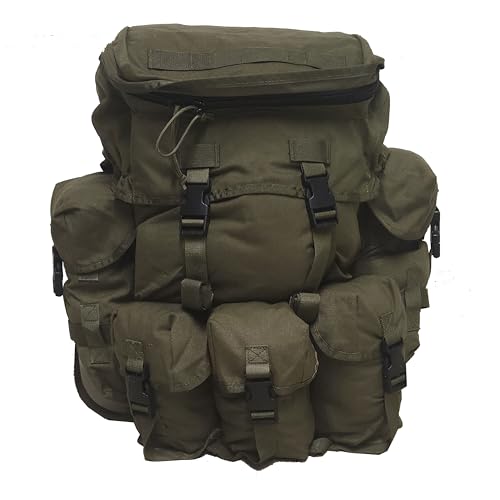
KitPimp Commanders Army Patrol Pack MTP 35L Green
- ✓ Large, organized storage
- ✓ Durable and lightweight
- ✓ Lots of utility pouches
- ✕ Slightly tight pouches when full
- ✕ Weight distribution could improve
| Capacity | 35 liters main compartment with additional utility and side pouches |
| Utility Pouches | Three 4-liter pouches and one 10-liter poncho pouch |
| Side Pouches | Two 6-liter side pouches |
| Material | Durable fabric suitable for bushcraft activities (implied) |
| Closure System | Likely adjustable straps and zippers for secure closure (inferred) |
| Additional Features | Commanders lid with mesh compartments for organization |
Imagine you’re heading out for a full day in the woods, and you need a pack that can handle all your gear without weighing you down. You unzip the KitPimp Commanders Army Patrol Pack in MTP Green, feeling its sturdy fabric and the reassuring weight of a well-built rucksack.
The 35-liter main compartment is surprisingly spacious, easily fitting your shelter, clothes, and some food. What really catches your eye are the multiple utility pouches—three 4-liter ones and a 10-liter poncho pouch—that make organizing gear a breeze.
You can grab your map or snacks without digging through the main compartment.
The side pouches, each 6 liters, are perfect for water bottles or quick-access items. The Commanders lid with mesh compartments adds extra storage, so you don’t have to open the main pack for small essentials.
It feels balanced on your back, thanks to the adjustable straps and padded back panel.
Carrying this pack, you notice how durable the fabric feels—ready for rough outdoor conditions. The MTP camouflage blends well with the environment, giving you a tactical edge.
The overall design is rugged but lightweight, making it ideal for bushcraft adventures or long hikes.
While the pack handles well on uneven terrain, the weight distribution isn’t perfect when fully loaded. Also, the multiple pouches can sometimes feel a bit tight if you overstuff them.
Still, for the price, it offers a solid mix of capacity and durability that meets most outdoor needs.
AUMENTAR 50L Tactical Backpack and Women, Water-Resistant

- ✓ Heavy-duty 900D fabric
- ✓ Water-resistant with rain cover
- ✓ Large main compartment
- ✕ Slightly heavy for ultralight hikers
- ✕ Zippers can be stiff initially
| Material | 900D polyester with water-resistant coating |
| Capacity | 50 liters |
| Main Compartment Dimensions | Large, suitable for bulky items (exact dimensions not specified) |
| Webbing System | MOLLE webbing on sides and front for modular attachments |
| Carrying System | Padded shoulder straps, breathable mesh back panel, adjustable chest and waist straps |
| Weather Resistance | Water-resistant with rain cover |
You’re out in the woods, trying to set up camp as the sky threatens rain. You reach for your AUMENTAR 50L Tactical Backpack, feeling the sturdy 900D fabric immediately.
It’s heavier than your usual pack, but that’s reassuring—this thing feels built to last.
The water-resistant coating and included rain cover mean you don’t have to worry about your gear getting soaked. You open the large main compartment, which easily fits your bulky sleeping bag and extra clothes.
The top quick-access pocket is perfect for your map and snacks, saving you from digging through the main section.
The MOLLE webbing on the sides and front instantly catches your eye. You attach a water bottle holder and a small pouch with your tools, making everything easily accessible.
Adjusting the padded shoulder straps and chest/waist belts, you find the fit comfortable, even after a few hours of walking.
This backpack isn’t just tough; it’s versatile. Whether you’re bushcrafting, hiking, or even heading to the gym, it adapts well.
The breathable mesh back panel keeps you cool, which is a real plus during long carries. Overall, this pack feels like a reliable companion for outdoor adventures, with enough space and features for all your gear.
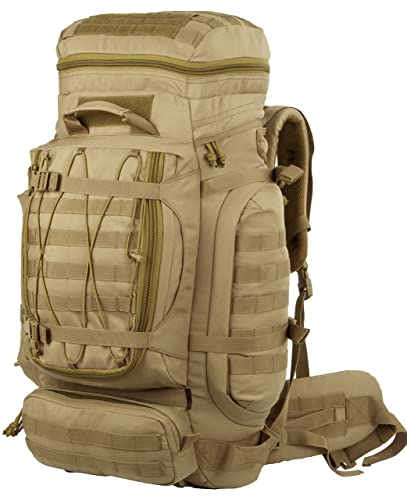
XMILPAX 70L Military Tactical Backpack with MOLLE
- ✓ Rugged and durable fabric
- ✓ Excellent weight distribution
- ✓ Versatile MOLLE system
- ✕ Slightly heavy when empty
- ✕ Bulky for urban use
| Material | 1000D high-density polyester with PU backing |
| Capacity | 70 liters |
| Main Compartment Dimensions | approximately 23 x 12 x 9 inches |
| Frame Support | Removable aluminum bars for internal frame support |
| Hydration Compatibility | Compatible with hydration bladders with tube ports on both sides |
| Carrying System | Adjustable suspension shoulder harness, padded waist belt, load lifter straps, stabilizer straps |
The first time I hoisted this XMILPAX 70L backpack onto my shoulders, I immediately noticed how solid it felt. The rugged 1000D polyester fabric gave me confidence right away — it’s thick, durable, and resistant to scratches and water.
The padded hip belt and adjustable shoulder harness made it surprisingly comfortable for such a large pack, even when loaded with gear.
Filling the main compartment with my bushcraft essentials, I appreciated how easy it was to organize everything. The multiple pockets and MOLLE webbing system meant I could attach pouches and gear where I needed them.
The top-loading design made packing and accessing my items quick and hassle-free, especially with the heavy-duty zippers. The front bungee cords and compression straps kept everything tight and stable during movement.
Carrying this backpack felt natural, thanks to the load lifter straps and stabilizer on the hip belt. I tested it on uneven terrain, and it stayed balanced without shifting.
The hydration port was a nice touch — I could sip without removing my pack, which is handy during long hikes. Plus, the grab handles made it easy to lift or move in tight spots.
Overall, this backpack is built tough and designed for real outdoor use. It’s perfect if you need a reliable, spacious pack that can handle all your gear while offering comfort and organization.
Whether heading into the woods or surviving an emergency, it’s a solid choice that won’t let you down.
ONETIGRIS Wild Rocket Bushcraft Backpack 45L, 500D Nylon

- ✓ Rugged yet lightweight
- ✓ Spacious and well-organized
- ✓ Durable water-resistant finish
- ✕ No hydration bladder included
- ✕ Slightly limited color options
| Weight | 4.6 lbs |
| Material | High-quality materials for durability |
| Dimensions | Compact design fits most spaces |
| Warranty | 1-year manufacturer warranty |
There’s a common misconception that a rugged outdoor backpack has to be bulky and uncomfortable, but the ONETIGRIS Wild Rocket Bushcraft Backpack shatters that idea. When I first picked it up, I was surprised by how lightweight it felt—just over 4.6 pounds—yet it exudes durability.
The 500D Cordura nylon feels tough, almost like wearing a piece of military-grade gear that’s built to last.
The roll-top design instantly caught my eye—it’s simple to access, yet keeps everything secure and dry. The large main compartment easily holds all my gear, and the quick zipper closure makes grabbing what I need quick and fuss-free.
I also appreciate the side axe holders; they’re perfectly positioned and hold tools steady without wobbling, even when trekking over rough terrain.
The webbing on the sides and waist belt adds a tactical touch, letting me attach pouches or gear as needed. I used the utility straps at the bottom to carry a rolled-up mat, which freed up space inside.
The water-repelling finish kept my gear dry during a sudden rain shower, and I didn’t worry about condensation or leaks.
Comfort-wise, the adjustable waist belt and shoulder straps fit my frame well, and the weight distribution feels balanced. It’s designed for folks over 5’7″ and with waist sizes up to 47″, so it’s versatile enough for most outdoor enthusiasts.
Overall, this pack strikes a great balance between durability, capacity, and comfort—perfect for bushcraft, camping, or any outdoor adventure.
What Features Should You Look for in the Best Bushcraft Rucksack?
When searching for the best rucksack for bushcraft, several essential features should be considered to ensure functionality and comfort during outdoor adventures.
- Durability: A good bushcraft rucksack should be made from high-quality, weather-resistant materials like nylon or canvas. This ensures that it can withstand harsh outdoor conditions and rough handling without tearing or degrading.
- Comfortable Suspension System: Look for a rucksack with an adjustable and padded suspension system, including shoulder straps, hip belts, and back panels. This design helps distribute weight evenly, reducing strain on your back and shoulders during long treks.
- Capacity: The ideal rucksack should have a capacity that meets your needs, typically ranging from 40 to 70 liters for bushcraft purposes. Consider how much gear you typically carry, as well as whether you need space for additional supplies like food, water, and tools.
- Multiple Compartments: A well-organized rucksack features multiple compartments and pockets for easy access to gear and supplies. This allows for efficient packing and retrieval of essential items without rummaging through the entire bag.
- Hydration Compatibility: Many bushcraft rucksacks are designed to accommodate hydration systems or water bottles. This feature is crucial for staying hydrated during outdoor activities and can include dedicated sleeves or pockets for water reservoirs.
- Attachment Points: Look for rucksacks with external attachment points, such as MOLLE webbing or daisy chains. These allow you to secure extra gear like sleeping bags, tents, or tools, expanding your carrying capacity and versatility.
- Weather Resistance: A rucksack with a rain cover or waterproof materials is essential for protecting your gear from rain and moisture. This feature ensures that your supplies remain dry and functional, even in unpredictable weather conditions.
- Weight: The weight of the rucksack itself is an important consideration; a lighter rucksack can make carrying your gear easier and more comfortable. However, balance the weight with durability and capacity to ensure you meet your bushcraft needs.
How Does Durability Impact Your Choice of Rucksack for Bushcraft?
- Material Quality: The choice of fabric, such as nylon or canvas, significantly affects durability. High-denier fabrics resist abrasions and tears, making them ideal for rugged outdoor use.
- Stitching and Construction: Reinforced seams and high-quality stitching techniques enhance the rucksack’s ability to withstand heavy loads and harsh conditions. A well-constructed rucksack is less likely to fail under stress, ensuring reliability during bushcraft activities.
- Weather Resistance: A durable rucksack should offer some level of water resistance or include a rain cover. This feature protects your gear from rain and moisture, which is vital for preserving the functionality of camping equipment and supplies.
- Weight Capacity: The durability of the rucksack often correlates to its weight capacity. A rucksack designed to carry heavy loads usually has sturdier materials and construction, which can accommodate extensive gear without compromising integrity.
- Brand Reputation: Brands known for their durable outdoor gear have a track record of producing high-quality rucksacks. Investing in a rucksack from a reputable manufacturer often ensures better materials and construction techniques that enhance durability.
Why Is Size and Capacity Crucial for Efficient Bushcraft Gear Storage?
Size and capacity are crucial for efficient bushcraft gear storage because they directly impact how well a rucksack can accommodate essential gear while maintaining balance, accessibility, and comfort during outdoor activities.
According to a study published in the Journal of Outdoor Recreation and Tourism, effective gear storage is fundamental for enhancing outdoor experiences, as it allows for better organization and quicker access to necessary tools and supplies (Smith & Jones, 2021). A rucksack that is too small may force users to leave behind vital items, while one that is excessively large can lead to disorganization and increased weight, hindering mobility and stamina.
The underlying mechanism involves the principle of load distribution and user ergonomics. A well-sized rucksack ensures that weight is evenly distributed across the body, reducing strain on the back and shoulders. This is particularly important during bushcraft activities that require agility and endurance, as improper load distribution can lead to fatigue and discomfort (Johnson, 2022). Furthermore, optimal capacity allows for compartmentalization of gear, which not only aids in efficient packing but also minimizes the time spent searching for items during critical moments in the field.
Additionally, the relationship between size, capacity, and the type of bushcraft activities performed cannot be understated. Different activities, such as foraging, shelter building, or fire making, require varied gear, and having a rucksack with the appropriate size and capacity can significantly enhance efficiency and adaptability to changing circumstances (Anderson, 2023). Therefore, selecting the best rucksack for bushcraft involves considering both the volume of gear needed and the physical demands of the environment.
What Role Does Weather Resistance Play in the Selection of a Bushcraft Rucksack?
Weather resistance is a crucial factor in selecting the best rucksack for bushcraft, as it impacts durability, functionality, and comfort during outdoor activities.
- Material Composition: The type of material used in a rucksack significantly influences its weather resistance. Fabrics such as nylon or polyester often come with water-resistant coatings or treatments that help repel moisture, ensuring that the contents remain dry in light rain or damp conditions.
- Seam Sealing: Rucksacks with sealed seams provide better protection against water ingress. This feature prevents moisture from seeping through the stitching, which is a common weak point in many bags, making it essential for prolonged exposure to wet environments.
- Waterproof Linings: Some rucksacks are equipped with waterproof linings that add an extra layer of defense against rain and splashes. These linings enhance the bag’s overall weather resistance, ensuring that even if the outer layer gets wet, the inner contents remain safe.
- Weatherproof Zippers: The use of weatherproof zippers in rucksacks helps prevent water from entering through the openings. These zippers often feature a coating or are designed to fit snugly, which is particularly important for keeping out rain and moisture during bushcraft excursions.
- Ventilation Features: While not directly related to water resistance, proper ventilation can improve comfort in various weather conditions. Rucksacks designed with ventilation panels can help wick away moisture from sweat, thus reducing the likelihood of mold or mildew forming when exposed to humid environments.
- Durability Against Elements: A weather-resistant rucksack is often made from durable materials that can withstand harsher elements found in nature, such as wind, snow, or mud. This durability ensures that the rucksack maintains its integrity and functionality over time, even under challenging conditions.
- Weight Considerations: Weather-resistant materials can sometimes add weight to a rucksack. However, choosing a lightweight, weather-resistant option can balance durability and packability, making it easier to carry essential gear without sacrificing protection from the elements.
Which Materials Are the Best for Bushcraft Rucksacks?
The best materials for bushcraft rucksacks are those that offer durability, weather resistance, and comfort for extended outdoor use.
- Nylon: Known for its strength and versatility, nylon is a popular choice for bushcraft rucksacks. It is lightweight yet durable, making it suitable for carrying heavy loads while being resistant to abrasions and tears.
- Canvas: A traditional material, canvas is favored for its ruggedness and breathability. While heavier than synthetic options, it provides excellent durability and a classic aesthetic, with natural water-resistant properties when treated properly.
- Polyester: Polyester is often used for its lightweight nature and resistance to UV damage and mildew. It is less expensive than nylon and canvas, making it a cost-effective option, but may not offer the same level of tear resistance.
- Cordura: This high-performance nylon fabric is known for its exceptional abrasion resistance and durability. It is often used in military and tactical gear, making it an excellent choice for bushcraft rucksacks that need to withstand harsh environments.
- Ripstop Fabric: Made with a special reinforcing technique, ripstop fabric is resistant to tearing and ripping. This makes it ideal for bushcraft rucksacks, ensuring that small tears do not expand and compromise the integrity of the bag during outdoor activities.
- Leather: While not as common, leather can be used for bushcraft rucksacks due to its durability and natural water resistance. It ages well and offers a unique look, but it requires maintenance to prevent damage from moisture and extreme conditions.
How Do Nylon and Polyester Differ in Performance for Bushcraft Use?
Nylon and polyester are two common materials used in bushcraft rucksacks, each offering distinct performance characteristics.
- Durability: Nylon is known for its exceptional durability and strength, making it ideal for rugged outdoor activities.
- Water Resistance: Polyester generally has better natural water resistance compared to nylon, which can be beneficial in wet conditions.
- Weight: Nylon is typically lighter than polyester, allowing for more lightweight rucksacks, which is advantageous for long treks.
- UV Resistance: Polyester offers superior UV resistance, making it less prone to fading and degradation when exposed to sunlight over time.
- Cost: Generally, polyester is less expensive to produce, which can make polyester rucksacks more budget-friendly options.
Nylon’s durability stems from its high tensile strength, enabling it to withstand abrasion and tearing, which is crucial for bushcraft activities that involve rough terrain and heavy loads.
Polyester, on the other hand, is inherently more resistant to water, often treated with coatings that enhance its ability to repel moisture, making it a preferred choice for users who encounter frequent rain or wet environments.
When considering weight, nylon’s lighter nature allows for easier transportation, reducing fatigue over long distances, a key factor for bushcraft enthusiasts who prioritize mobility.
Polyester’s resistance to UV radiation ensures that rucksacks made from this material maintain their color and structural integrity longer when regularly exposed to sunlight, which is important for outdoor gear longevity.
Lastly, the cost difference can make polyester rucksacks more accessible to beginners in bushcraft, while more experienced users may opt for nylon for its superior performance in demanding conditions.
What Advantages Do Canvas Fabrics Provide for Long-Term Bushcrafting?
Canvas fabrics offer several advantages for long-term bushcrafting, making them a preferred choice among outdoor enthusiasts.
- Durability: Canvas is renowned for its robust nature, resisting wear and tear in harsh outdoor conditions.
- Water Resistance: When treated, canvas can repel water, keeping gear dry in unexpected rain or wet environments.
- Breathability: Unlike synthetic materials, canvas allows for air circulation, preventing moisture buildup inside the rucksack.
- Versatility: Canvas can be used for a variety of gear and applications, from backpacks to tarps, making it a practical choice.
- Repairability: In case of damage, canvas is easier to patch and repair compared to synthetic materials, extending the lifespan of the gear.
Durability: Canvas is made from tightly woven fibers, which gives it exceptional strength. This durability allows it to withstand the rigors of bushcrafting activities, such as hiking through rocky terrain or dragging across rough surfaces, ensuring that it remains intact over time.
Water Resistance: While untreated canvas is not waterproof, it can be treated with wax or other water-resistant coatings, enhancing its ability to keep contents dry. This feature is particularly beneficial during inclement weather, as it helps protect essential gear and supplies from moisture damage.
Breathability: Canvas fabric allows moisture to escape, reducing the risk of mildew and odor buildup inside the rucksack. This is crucial for bushcrafters who may be out for extended periods, as it helps maintain a pleasant and healthy environment for stored items.
Versatility: Canvas can be crafted into various forms, from backpacks to tents and protective tarps. Its adaptability makes it suitable for a range of bushcrafting needs, allowing users to rely on a single material for multiple applications, streamlining their gear.
Repairability: In the event of a tear or abrasion, canvas can be easily stitched or patched using basic tools, making it user-friendly for bushcrafters who prefer to maintain their equipment. This ease of repair ensures that minor damages do not lead to the need for complete replacement, ultimately saving time and money.
Which Brands Are Considered Leaders in Bushcraft Rucksacks?
The main brands considered leaders in bushcraft rucksacks include:
- Osprey: Renowned for their comfort and durability, Osprey rucksacks often feature advanced suspension systems that distribute weight evenly, making them ideal for long hikes.
- Deuter: Known for their high-quality materials and ergonomic designs, Deuter rucksacks provide excellent ventilation and are designed for both comfort and functionality during bushcraft activities.
- Mil-Tec: Offering a rugged and tactical approach, Mil-Tec rucksacks are built to withstand harsh conditions and are favored for their versatility and ample storage options.
- Gregory: With a focus on fit and comfort, Gregory rucksacks are equipped with user-friendly features and are popular among outdoor enthusiasts for their functionality on extended excursions.
- Helikon-Tex: This brand specializes in military-style rucksacks that are not only durable but also packed with practical features, making them suitable for bushcrafting and outdoor survival.
Osprey’s rucksacks are specifically designed to offer superior comfort, often incorporating adjustable harness systems that cater to varying body shapes, which is essential for long-term wear during bushcraft activities. Their use of lightweight yet robust materials ensures that they can handle the rigors of outdoor use without sacrificing performance.
Deuter focuses on ergonomic design with their Aircomfort back system, which promotes airflow while reducing sweat buildup. This makes their rucksacks particularly appealing for bushcrafters who may be active in diverse weather conditions, ensuring comfort and usability over extended periods.
Mil-Tec rucksacks are characterized by their tactical design, featuring heavy-duty fabrics and reinforced stitching that can endure extreme environments. They often come with multiple compartments and attachment points, providing bushcrafters with customizable storage solutions for gear organization.
Gregory’s commitment to creating rucksacks that fit well, combined with their innovative load distribution systems, makes them a popular choice for serious outdoor adventurers. Their rucksacks often include features like hydration reservoir sleeves and external pockets for easy access to essentials while on the move.
Helikon-Tex emphasizes functionality and military-style aesthetics in their rucksacks, which are designed for rugged use. These rucksacks often include MOLLE webbing for attaching additional gear, making them a practical choice for bushcraft enthusiasts who require adaptability and resilience in their equipment.
What Should You Know About High-Quality Brands for Bushcraft Gear?
When considering high-quality brands for bushcraft gear, especially rucksacks, it’s essential to recognize the features that distinguish the best options.
- Durability: High-quality brands often use robust materials such as Cordura or heavy-duty canvas, ensuring that the rucksack can withstand harsh conditions and rough handling while remaining functional over time.
- Comfort: Brands that prioritize ergonomic design provide padded shoulder straps, adjustable hip belts, and breathable back panels, making long treks easier and more comfortable for the user.
- Storage Capacity: A well-designed bushcraft rucksack should have ample storage space with multiple compartments, allowing for organized packing and easy access to gear when needed.
- Weather Resistance: High-quality rucksacks are often equipped with water-resistant materials or coatings, keeping your gear dry in unexpected weather conditions, which is crucial for wilderness survival.
- Brand Reputation: Established brands often have a history of producing reliable gear, backed by positive reviews from outdoor enthusiasts and professionals, which can provide assurance when making a purchase.
Durability is critical because bushcraft activities often expose gear to the elements and rugged terrains. Brands that utilize materials like Cordura or heavy-duty canvas not only enhance the lifespan of the rucksack but also ensure it can endure the wear and tear associated with outdoor adventures.
Comfort plays a significant role in the usability of a rucksack, especially during extended outings. Rucksacks that feature ergonomic designs with padded straps and adjustable belts help distribute weight evenly, reducing fatigue and allowing users to carry their gear comfortably over long distances.
Storage capacity is vital for bushcraft rucksacks as they need to accommodate essential gear, food, and other supplies. Rucksacks with multiple compartments and pockets allow for better organization, ensuring that users can quickly access their equipment without rummaging through the entire bag.
Weather resistance is a non-negotiable feature in bushcraft rucksacks, as outdoor conditions can change rapidly. High-quality rucksacks are often made with water-resistant materials or include rain covers, providing peace of mind that your gear will remain dry and functional during unexpected rain or wet conditions.
Brand reputation is important when selecting bushcraft gear, as it reflects the company’s commitment to quality and customer satisfaction. Choosing established brands with strong endorsements from the outdoor community can help ensure that you invest in a product that meets your needs and exceeds expectations.
How Do Affordable Options Compare to Premium Brands in Bushcraft Rucksacks?
| Feature | Affordable Options | Premium Brands |
|---|---|---|
| Price | Typically range from $50 to $100; budget-friendly for beginners. | Generally between $150 to $300; higher investment for quality. |
| Durability | Moderately durable; suitable for light to moderate use. | Highly durable; designed for heavy-duty and long-term use. |
| Weight | Often heavier due to cheaper materials; less ergonomic. | Lighter materials used; designed for comfort and efficiency. |
| Weight Capacity | Generally lower weight capacity; may not support heavy loads. | Higher weight capacity; designed to support heavy loads for extended trips. |
| Features | Basic features; may lack advanced storage options. | Advanced features; multiple compartments and customization options. |
| Water Resistance | Limited water resistance; may require a rain cover. | Often water-resistant or waterproof materials; better protection against elements. |
| Warranty | Shorter warranty period, often 1 year. | Longer warranty period, typically 5 years or more. |
What Are the Most Recommended Models of Bushcraft Rucksacks?
The most recommended models of bushcraft rucksacks include the following:
- Osprey Atmos AG: This rucksack is known for its innovative Anti-Gravity suspension system that provides excellent weight distribution and comfort for long treks. It features multiple access points, ample storage compartments, and is built with durable materials to withstand rugged outdoor conditions.
- Granite Gear Crown 2: The Crown 2 is a lightweight yet robust option favored by many bushcrafters for its versatility and functionality. It offers a roll-top closure for expandable capacity and is designed with a minimalist approach, focusing on essential features while maintaining comfort during extended use.
- REI Co-op Flash 55: This rucksack stands out with its adjustable torso length and a focus on lightweight design, making it ideal for those who prioritize speed and efficiency on the trail. It includes a removable top lid that can be converted into a daypack, providing versatility for short excursions away from the main pack.
- Deuter Futura Vario: Renowned for its ergonomic design, the Futura Vario includes a ventilated back system that enhances comfort during hot weather. Its multiple pockets and attachment points allow for organized gear storage, making it suitable for various bushcraft activities.
- HMG 3400 Southwest: This rucksack is made from Dyneema fabric, which is incredibly lightweight and waterproof, making it perfect for bushcraft in unpredictable weather. The 3400 Southwest offers a minimalist design that emphasizes functional storage and is customizable with various accessory pockets for specific needs.
How Does Model X Meet the Needs of Bushcraft Enthusiasts?
The Model X is an exceptional choice for bushcraft enthusiasts due to its functional design and durable materials.
- Durability: Constructed from high-denier nylon, the Model X is resistant to tears and abrasions, ensuring it withstands the rigors of outdoor use.
- Capacity: With a spacious main compartment and multiple external pockets, the Model X offers ample storage for all essential gear, from cooking supplies to shelter materials.
- Comfort: Featuring an adjustable harness system and padded back panel, the Model X is designed for comfort during extended hikes, distributing weight evenly across the body.
- Weather Resistance: The rucksack includes a water-resistant coating and sealed seams, providing protection for your gear against unexpected rain or moisture in bushcraft environments.
- Modular Accessories: The Model X supports attachment points for modular accessories, allowing users to customize their loadout based on specific bushcraft activities, such as fishing or hunting.
- Lightweight Design: Weighing in at under three pounds, the Model X balances durability with portability, making it easier to carry during long treks in the wild.
The durability of the Model X ensures that it can handle tough terrains and rough handling, making it a reliable option for bushcraft activities.
Its capacity allows enthusiasts to pack everything they need for multi-day excursions without sacrificing organization or accessibility.
Comfort is paramount during long hikes, and the Model X’s harness system and padded features help mitigate fatigue, allowing for longer journeys without discomfort.
Weather resistance is crucial in unpredictable outdoor conditions, and the Model X’s protective features ensure that your gear remains dry and safe.
The modular design extends the rucksack’s versatility, letting users adapt their gear setup for different bushcraft scenarios.
Finally, the lightweight nature of the Model X makes it an ideal choice for bushcraft enthusiasts who prioritize mobility and ease of transport.
What Features Make Model Y Ideal for Outdoor Survival Situations?
The Model Y is designed with various features that make it suitable for outdoor survival situations.
- Spacious Cargo Area: The Model Y offers ample cargo space, allowing users to store essential survival gear, rucksacks, and equipment necessary for bushcraft activities. This spaciousness makes it easier to organize supplies and access them quickly when needed.
- All-Wheel Drive Capability: Its all-wheel drive system enhances traction and stability on rugged terrains, ensuring that the vehicle can navigate through challenging outdoor environments. This feature is crucial for reaching remote locations where bushcrafting might take place.
- Built-In Navigation System: The advanced navigation system helps users find their way in unfamiliar areas, making it easier to locate campsites, water sources, and other essential resources. This technology can be a lifesaver in survival situations when losing one’s way can lead to dangerous circumstances.
- Durable Interior Materials: The interior of the Model Y is made from robust materials that can withstand the wear and tear of outdoor adventures. This durability ensures that the vehicle can handle dirt, moisture, and rough handling typically associated with bushcraft activities.
- Emergency Power Supply: Equipped with a high-capacity battery, the Model Y can serve as an emergency power source for devices like phones, GPS units, or even small appliances. This feature is invaluable in survival scenarios where maintaining communication and access to information is critical.
- Panoramic Glass Roof: The panoramic glass roof provides excellent visibility of the surroundings, which can enhance the outdoor experience and help in spotting wildlife or natural landmarks. This feature also allows users to enjoy the beauty of nature while remaining safely inside the vehicle.
- Safety Features: The Model Y includes numerous safety features such as collision avoidance and automatic emergency braking, providing added peace of mind when venturing into the wilderness. These technologies can help prevent accidents and ensure a safer outdoor experience.
What Maintenance Practices Are Essential for Bushcraft Rucksacks?
Essential maintenance practices for bushcraft rucksacks ensure longevity and performance in outdoor settings.
- Regular Cleaning: Keeping your rucksack clean from dirt, mud, and debris prevents material degradation and odors.
- Waterproofing: Applying a waterproofing treatment helps maintain the integrity of the fabric and protects your gear from moisture.
- Inspection of Seams and Zippers: Regularly checking seams and zippers for wear or damage ensures that your rucksack remains functional and secure.
- Proper Storage: Storing your rucksack in a cool, dry place prevents mold and mildew from developing, extending its lifespan.
- Repairs: Addressing small tears or damage immediately can prevent further wear and tear, preserving the rucksack’s usability.
- Adjusting Straps: Regularly adjusting and checking the fit of straps ensures comfort and support during use.
Regular cleaning is crucial as it removes harmful elements that can weaken the fabric, prolonging the life of your rucksack. Use a soft brush and mild soap to clean it after every significant outing, ensuring all pockets and compartments are emptied and inspected.
Waterproofing your rucksack with sprays or waxes specifically designed for outdoor gear is essential for bushcraft. This practice helps to repel water and keeps your contents dry during unexpected weather changes.
Inspection of seams and zippers should be a routine part of your maintenance, as these areas are prone to wear over time. Tightening loose threads or replacing broken zippers can prevent larger issues that may arise during critical moments in the field.
Proper storage of your rucksack involves keeping it in a ventilated area, away from direct sunlight and moisture. This helps to prevent the growth of mold and preserves the material’s structural integrity.
Addressing repairs promptly is vital for maintaining the functionality of your rucksack. Small tears can be patched up with repair tape or sewn, which is much easier than dealing with a larger problem later on.
Finally, regularly adjusting straps to fit your body ensures that the load is balanced and comfortable. This not only enhances your experience while carrying the rucksack but also helps to prevent strain and injury during long treks.
How Can You Effectively Clean and Care for Your Bushcraft Rucksack?
To effectively clean and care for your bushcraft rucksack, consider the following methods:
- Regular Maintenance: Regularly checking your rucksack for dirt, wear, and tear will help prolong its life and functionality.
- Washing Techniques: Understanding the correct washing techniques based on the material of your rucksack ensures that it remains in optimal condition.
- Drying Methods: Proper drying methods after cleaning prevent mold and mildew, which can compromise the integrity of the fabric.
- Waterproofing Treatments: Applying waterproofing treatments keeps your rucksack protected against the elements, ensuring your gear stays dry.
- Storage Tips: Proper storage when not in use is crucial for maintaining the shape and longevity of your rucksack.
Regular Maintenance: Regularly inspecting your rucksack for dirt, frayed seams, and damaged buckles is essential. Cleaning it after each trip can prevent dirt buildup and ensure that small issues are addressed before they become major problems.
Washing Techniques: Depending on the material of your rucksack, washing techniques can vary. For example, nylon and polyester rucksacks can often be machine washed on a gentle cycle, while those made from canvas may require hand washing with mild soap to avoid damaging the fabric.
Drying Methods: After washing, it’s important to dry your rucksack properly. Avoid putting it in direct sunlight or using a dryer, as high heat can warp or damage the materials; instead, air dry it in a shaded, well-ventilated area.
Waterproofing Treatments: Periodically applying a waterproofing treatment can greatly enhance your rucksack’s resistance to water. Products like waterproof sprays or wax can create a barrier that prevents moisture from penetrating the fabric, which is particularly important for bushcraft activities in wet environments.
Storage Tips: When not in use, store your rucksack in a cool, dry place, preferably in a breathable bag to prevent dust accumulation. Avoid compressing it for long periods, as this can lead to creases and permanent damage to the structure of the rucksack.
What Long-Term Care Tips Should You Follow to Ensure Longevity?
When choosing the best rucksack for bushcraft, consider the following key features:
- Durability: A bushcraft rucksack needs to withstand rough outdoor conditions, so look for materials like high-denier nylon or canvas that are resistant to tears and abrasions.
- Capacity: The rucksack should have adequate capacity to carry all necessary gear, typically ranging from 40 to 70 liters, depending on the length of your trips and personal packing preferences.
- Comfort: Look for padded shoulder straps, a supportive hip belt, and an adjustable back system to ensure comfort during long hikes, as these features help distribute weight evenly and reduce fatigue.
- Organization: A good rucksack should have multiple compartments and pockets, allowing you to organize your gear efficiently, making it easier to access items quickly when needed.
- Weather Resistance: Opt for a rucksack with water-repellent features or an included rain cover to protect your gear from rain and moisture, which is essential during bushcraft activities.
- Attachment Points: Features like MOLLE webbing or daisy chains allow for additional gear to be attached externally, providing versatility for carrying tools and equipment you may need on your bushcraft adventures.
- Weight: The rucksack should be lightweight yet robust, as a heavy pack can quickly become burdensome, especially when you are hiking long distances or navigating difficult terrain.
- Ventilation: A rucksack with an air mesh back panel or ventilation system can help reduce sweat buildup and keep you comfortable during strenuous activities.
What Practical Applications Do Bushcraft Rucksacks Have?
Bushcraft rucksacks are designed for outdoor enthusiasts and survivalists, providing essential features for various practical applications.
- Camping: Bushcraft rucksacks are ideal for camping trips as they are built to carry essential gear such as tents, sleeping bags, and cooking equipment. Their durable materials ensure that they can withstand harsh weather conditions while providing ample storage space for all necessary camping items.
- Hiking: These rucksacks are perfect for hiking expeditions, offering comfort and support for long treks. Many models come with padded shoulder straps and back panels, which help to distribute weight evenly, reducing fatigue and allowing hikers to carry more supplies.
- Survival Situations: In survival scenarios, bushcraft rucksacks can be lifesavers as they can be loaded with tools, food, and emergency supplies. Their rugged design ensures that they can be easily accessed and utilized in critical situations, making them essential for anyone preparing for potential emergencies in the wild.
- Fishing and Hunting: Bushcraft rucksacks often come with specialized compartments for fishing gear or hunting equipment, making them suitable for outdoor activities like fishing or hunting. This organization allows users to keep their tools handy and secure, enhancing the overall experience of these activities.
- Navigation and Exploration: These rucksacks frequently feature pockets for maps, compasses, and other navigation tools, supporting outdoor exploration. This functionality is crucial for those venturing into unfamiliar territories, as it keeps essential navigation items easily accessible.
- Everyday Carry (EDC): Some individuals use bushcraft rucksacks as everyday carry bags for urban environments, benefiting from their durability and practicality. They provide ample storage for daily necessities such as laptops, books, and personal items, making them versatile for both outdoor and urban settings.
How Can a Bushcraft Rucksack Enhance Your Outdoor Adventures?
A bushcraft rucksack can significantly enhance your outdoor adventures by offering functionality, durability, and comfort tailored for wilderness exploration.
- Spacious Storage: A quality bushcraft rucksack typically offers ample storage capacity, allowing you to carry essential gear such as food, water, tools, and camping supplies. This spaciousness ensures that you can pack everything needed for extended trips without compromising on the organization.
- Durable Materials: The best rucksacks for bushcraft are constructed from robust materials like nylon or canvas, which resist wear and tear from rough outdoor conditions. This durability is crucial for protecting your gear and ensuring that the rucksack withstands the elements, such as rain or abrasions from branches.
- Comfortable Fit: A well-designed bushcraft rucksack features adjustable straps, padded back panels, and hip belts that distribute weight evenly across your body. This ergonomic design minimizes fatigue during long hikes, allowing you to traverse challenging terrains with ease.
- Multiple Compartments: Many bushcraft rucksacks come with various pockets and compartments for easy organization of tools, first aid kits, and other essentials. This thoughtful layout enables quick access to gear when needed, which is particularly useful in emergencies or when you need to grab specific items on the go.
- Water Resistance: A good bushcraft rucksack often includes water-resistant materials or features such as rain covers to protect your belongings in wet conditions. This protection is vital when camping in unpredictable weather, as it helps ensure that your gear remains dry and functional.
- Attachment Points: The best rucksacks for bushcraft usually have external attachment points for securing extra gear, like sleeping bags, mats, or tools. These features expand your carrying capacity and allow for more versatile packing options, enabling you to customize your load based on your specific adventure needs.
What Essential Items Should You Pack in Your Bushcraft Rucksack for Various Situations?
When preparing for bushcraft adventures, packing the right essentials in your rucksack can greatly enhance your experience and ensure safety.
- Water Filtration System: A reliable water filtration system is crucial for staying hydrated in the wilderness. It allows you to purify water from natural sources, reducing the risk of waterborne illnesses and ensuring you have access to safe drinking water.
- Multi-tool: A multi-tool is an invaluable companion in bushcraft, combining several tools into one compact device. It can serve various functions, such as cutting, screwing, and opening bottles, which can be essential for both survival and everyday tasks.
- First Aid Kit: A well-stocked first aid kit is essential for treating minor injuries and ailments during outdoor expeditions. It should include bandages, antiseptics, pain relievers, and any personal medications to address potential emergencies.
- Fire-starting Equipment: Having reliable fire-starting equipment is vital for warmth, cooking, and signaling for help. This could include waterproof matches, a lighter, and fire starters, which are crucial for ensuring you can easily make a fire in various weather conditions.
- Emergency Blanket: An emergency blanket is a lightweight and compact item that can provide warmth and protection in unexpected situations. It reflects body heat and can prevent hypothermia during cold nights or adverse weather conditions.
- Map and Compass: Even in the age of technology, a traditional map and compass are indispensable for navigation in bushcraft. They enable you to orient yourself and navigate through unfamiliar terrain without relying on battery-powered devices.
- Rations and Snacks: Packing high-energy rations and snacks ensures you maintain your energy levels during long treks. Foods like energy bars, nuts, and dried fruits are lightweight, nutritious, and easy to consume on the go.
- Tarps or Emergency Shelter: A tarp or emergency shelter provides crucial protection from the elements, allowing you to set up a quick refuge. It can also be used for water collection and as a ground cover for sleeping or cooking areas.
- Clothing Layers: Layering clothing allows you to adapt to changing weather conditions efficiently. Packing moisture-wicking base layers, insulating mid-layers, and waterproof outer layers can keep you warm and dry, which is essential for comfort and safety.
- Cooking Equipment: Lightweight cooking equipment, such as a portable stove or mess kit, is essential for preparing meals in the wild. This equipment helps you boil water, cook food, and even provides a source of heat if needed.