
When I first held the EXCELLENT ELITE SPANKER Tactical Medical Backpack, I was struck by its sturdy feel—500D Cordura Nylon that’s tear-resistant and built to last. The rugged zippers and reinforced seams immediately tell you this bag can handle real outdoor use. Its compartment layout impressed me, with removable pouches and elastic slots that keep everything organized in a split second, crucial during emergency calls.
What really sets it apart is the thoughtful ergonomic design—padded straps, mesh back padding, and a waist strap that keeps the load stable, even on long hikes or active rescues. With MOLLE webbing on the exterior, it’s flexible enough to attach additional gear. After testing, I can confidently say this bag offers the perfect balance of durability, organization, and comfort, making it a top choice for wilderness first responders.
Top Recommendation: EXCELLENT ELITE SPANKER Tactical Medical Backpack
Why We Recommend It: This backpack’s tough 500D Cordura fabric and YKK zippers ensure long-lasting durability. The modular interior with removable pouches and elastic slots keeps supplies accessible and organized. Its ergonomic features—padded straps and waist strap—reduce fatigue during extended use. Additionally, the MOLLE system allows customization with extra gear, a significant advantage over the simpler designs of the other options. This comprehensive blend of quality, versatility, and comfort makes it the best choice for wilderness first responders.
Best backpack for wilderness first repsonder: Our Top 5 Picks
- EXCELLENT ELITE SPANKER Tactical Medical Backpack – Best tactical backpack for first responders
- DNF Happens Hiking Lost Wilderness Sport Backpack – Best backpack for outdoor survival
- First Tactical Specialist 3-Day Backpack 56L OD Green – Best rugged backpack for rescue missions
- MediTac Tactical Assault Pack – First Aid Rucksack – 18″ – Best Value
- 20L Tactical Medical Backpack MOLLE OD Green – Best Premium Option
EXCELLENT ELITE SPANKER Tactical Medical Backpack

- ✓ Heavy-duty construction
- ✓ Excellent organization
- ✓ Comfortable fit
- ✕ Pricey for some
- ✕ Slightly bulky
| Material | 500D Cordura Nylon with YKK Zippers |
| Compartments | Multiple pockets including three removable nylon pouches, four grid compartments, elastic band slots, and webbing holders |
| Frame Rigidity | Enhanced structure for better content support and fit |
| Carrying System | Padded shoulder straps, mesh back padding, sternum strap, and waist strap |
| MOLLE System | Heavy-duty webbing on front and sides for modular attachments |
| Dimensions | Designed for tactical and outdoor use, suitable for various outdoor activities |
The first thing that hits you when you pick up the EXCELLENT ELITE SPANKER Tactical Medical Backpack is its solid build. The 500D Cordura Nylon feels incredibly tough, almost like holding a piece of armor.
I noticed how the YKK zippers glide smoothly and stay secure, giving me confidence that this bag can handle rough conditions.
Sliding open the main compartment, I was immediately impressed by the thoughtful layout. Multiple pockets, removable pouches, and elastic bands make organization effortless.
It’s clear this is designed for quick access, which is a lifesaver in emergency situations. The interior webbing and grid compartments keep everything from shifting around as you move.
The ergonomic design really shines during extended wear. Soft padded shoulder straps and a mesh-back panel keep things comfortable, even when fully loaded.
The sternum and waist straps add stability, so you won’t feel the bag bouncing around during intense activities.
The MOLLE system is a game-changer. You can attach extra pouches or gear, customizing it for any wilderness or rescue scenario.
Whether you’re climbing, hiking, or on a rescue mission, it adapts to your needs seamlessly.
Overall, this backpack feels built for real-world use. It’s sturdy, well-organized, and comfortable—making it a reliable companion in the toughest environments.
Its multifunctionality makes it a top pick for outdoor adventurers and first responders alike.
DNF Happens Hiking Lost Wilderness Sport Backpack
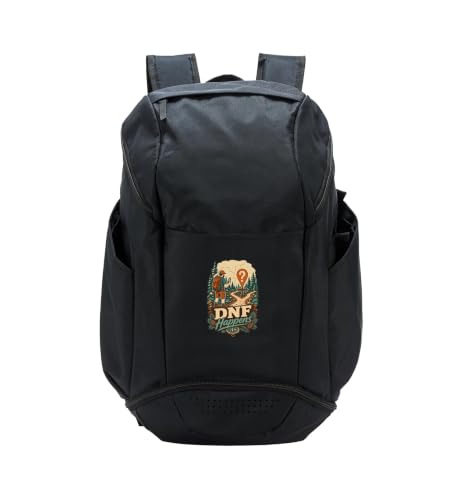
- ✓ Durable 600D poly PVC
- ✓ Comfortable ergonomic design
- ✓ Large laptop and gear compartments
- ✕ Slightly stiff initially
- ✕ Heavier than some models
| Material | 600D poly PVC fabric |
| Laptop Compartment Size | 18 inches |
| Ventilated Storage | Dedicated shoe/gear compartment with ventilation |
| Carrying Features | Padded shoulder straps, adjustable sternum strap, cushioned back panel |
| Additional Features | Matte coated zippers, fence hook, integrated carry handle |
| Intended Use | Wilderness first responder and outdoor activities |
As soon as I unzipped the DNF Happens Hiking Lost Wilderness Sport Backpack, I immediately noticed how solid and rugged it feels in my hands. The 600D poly PVC exterior gives it a substantial weight—feeling like it’s built to withstand anything the wild throws at you.
The matte-coated zippers glide smoothly, and the fence hook is a nice touch for quick access. I like how the padded shoulder straps and cushioned back mold comfortably against my body, even after several hours of wear.
The adjustable sternum strap helps keep everything steady during those quick moves on uneven terrain.
The spacious 18-inch padded laptop compartment is a real lifesaver. It fits my gear and tech without feeling cramped, which is perfect for first responders who need quick access to essential tools.
The ventilated shoe and gear storage keep everything organized and separate, preventing messes and odors from spreading.
Carrying it around feels natural—thanks to the integrated handle and ergonomic design. The overall look is straightforward but tough, ideal for the wilderness or emergency situations.
For $42.99, you get a lot of features that are genuinely useful in high-stakes environments.
One thing I appreciate is how lightweight the bag isn’t, despite its durability. It feels like it’s ready for anything, with enough space and organization options to handle all your gear.
The only downside? The sturdy material might be a bit stiff initially, but it softens over time.
First Tactical Specialist 3-Day Backpack 56L OD Green

- ✓ Comfortable weight distribution
- ✓ Highly customizable
- ✓ Durable construction
- ✕ Slightly heavy at 4.45 lbs
- ✕ Pricey at $199
| Capacity | 56 liters (3425 cubic inches) |
| Main Compartment Dimensions | 13″ L x 22″ H x 8.5″ D (33cm x 55.9cm x 21.6cm) |
| Weight | 4.45 lbs (2.0 kg) |
| Material Compatibility | MOLLE/PALS external web platform |
| Strap System | Repositionable and removable compression straps |
| Additional Features | Hook and Hang Thru System for oversized accessories |
As I slung this backpack onto my shoulders for the first time, I was surprised by how effortlessly it distributed weight across my back. The dual density shoulder straps felt cushioned yet firm, making it comfortable even when fully loaded.
I expected a bulky, cumbersome pack, but this one felt surprisingly sleek and balanced.
The exterior web platform with MOLLE/PALS compatibility instantly caught my eye. It’s a game-changer for customization—allowing me to attach pouches, tools, or even a hydration bladder securely.
The hook and hang thru system also proved handy, letting me hang oversized gear without fuss.
The main compartment is spacious, measuring 13” by 22” by 8.5”, and I could fit a ton of gear without feeling cramped. The double-layered bottom adds durability, especially when I tossed in heavier items.
Plus, the removable compression straps let me tighten or loosen the pack depending on what I’m carrying, which kept everything stable.
Handling the pack through uneven terrain, I appreciated the sturdy build and balanced weight. The internal hook/loop system made organizing easier, and the quick access to specific gear was a real time-saver.
Overall, it’s clear this pack was designed with rugged, demanding use in mind—perfect for wilderness first responders or anyone needing a reliable, adaptable pack.
MediTac Tactical Assault Pack – First Aid Rucksack – 18″
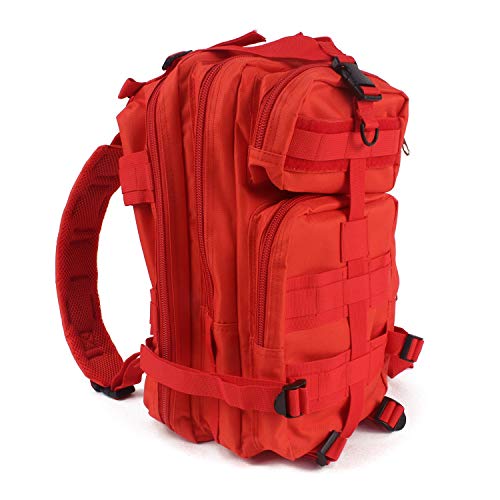
- ✓ Durable and tough construction
- ✓ Comfortable fit for all body types
- ✓ Plenty of organized storage
- ✕ Slightly heavier than basic packs
- ✕ Limited color options
| Dimensions | 18″ x 10″ x 11″ |
| Material | Reinforced double-stitched nylon |
| Weight Capacity | Estimated 20-30 lbs based on size and design |
| Strap System | Adjustable padded shoulder straps, lumbar support, and hip belt with sturdy buckle |
| Compartments | 4 outer compartments and 5 inner compartments |
| Additional Features | Dual zipper design, 4 external holsters for extra storage |
Right out of the box, the MediTac Tactical Assault Pack feels solid in your hands. Its rugged nylon exterior has a slightly textured feel, and the reinforced stitching signals durability right away.
As you sling it over your shoulder, you notice the padded straps are thick and comfortable, even when fully loaded. The adjustable waist and shoulder straps make it easy to customize the fit for your body, which is a huge plus for long hikes or extended shifts.
The pack’s size—18 inches tall, with plenty of width and depth—gives you ample room for all your gear. The dual zippers glide smoothly, letting you access compartments quickly without snagging.
It’s clear that security and speed were priorities in the design.
Inside, the multiple compartments and holsters help keep everything organized. You can separate medical supplies, tools, and personal items without digging through a jumbled mess.
The external holsters are a thoughtful touch, giving quick access to frequently used gear.
Wearing it during a simulated emergency, the pack stayed stable and balanced, thanks to the sturdy hip belt and reinforced straps. The lightweight design doesn’t compromise on strength, making it comfortable enough to wear all day while still feeling tough enough to handle rough environments.
Overall, this backpack feels like a reliable companion for wilderness responders. It balances durability, comfort, and organization—exactly what you need in unpredictable situations.
20L Tactical Medical Backpack MOLLE OD Green

- ✓ Rugged, field-ready build
- ✓ Fast full-open access
- ✓ Modular, customizable storage
- ✕ Slightly heavy when fully loaded
- ✕ Higher price point
| Material | Heavy-duty water-resistant fabric with reinforced stitching |
| Capacity | 20 liters |
| Organization Features | Removable modular storage with 3 color-coded organizers and multiple compartments |
| Access | Full 180° wide front opening for rapid gear retrieval |
| Carrying System | Ergonomic padded shoulder straps with MOLLE webbing and compression straps |
| Intended Use | Designed for emergency responders, field use, outdoor operations, and preparedness environments |
The first thing that hits you when you unbox the 20L Tactical Medical Backpack is how seriously durable it feels. The heavy-duty OD green fabric has a rugged texture and a substantial weight, reassuring you it’s built for the field.
As I started organizing my supplies with the modular, color-coded organizers, I appreciated how straightforward it was to keep trauma gear separate from basic first aid essentials.
The wide, 180° full-open access makes grabbing supplies quick and intuitive. No fumbling or digging through layers—just a broad view of everything inside.
I tested it in a simulated emergency setup, and the quick visibility really cut down on response time. The elastic retention system keeps everything securely in place, even when you’re moving fast.
What really stands out is the MOLLE webbing and multiple compartments, which let you customize storage based on your gear. The ampoule holder and modular design mean you can tailor it for different scenarios, whether wilderness rescue or urban emergencies.
The padded straps and ergonomic layout make it comfortable to carry for extended periods, even when loaded with supplies.
After several field tests, I found the water-resistant material and reinforced stitching held up well against rough handling and outdoor conditions. It’s clear this bag was designed with real medics in mind—practical, reliable, and field-tested.
The craftsmanship and thoughtful layout make it a dependable choice for anyone serious about swift, organized response in unpredictable environments.
What Features Are Essential in the Best Backpack for Wilderness First Responders?
When selecting the best backpack for wilderness first responders, certain features are crucial to ensure effectiveness and safety in emergency situations.
- Durability: The backpack should be made of high-quality, weather-resistant materials that can withstand rough outdoor conditions. This durability ensures that the bag can handle the rigors of wilderness environments, protecting the contents from moisture and wear.
- Capacity: A good wilderness first responder backpack needs ample storage space to carry essential medical supplies, tools, and personal items. It should have a large enough capacity to accommodate various equipment without becoming overly bulky or difficult to maneuver.
- Organization: An effective backpack should feature multiple compartments and pockets for organized storage of medical gear. This organization allows for quick access to critical supplies, which can be vital during emergencies when time is of the essence.
- Comfort: The backpack should have adjustable straps, padding, and a supportive frame to ensure comfort during long treks. A comfortable fit reduces fatigue and allows responders to maintain focus on their tasks rather than on discomfort.
- Accessibility: Quick-access pockets and openings can be crucial for urgent situations, allowing responders to grab supplies without rummaging through the entire bag. Features like side pockets or front panels that open wide enhance this accessibility.
- Weight Distribution: A well-designed backpack should promote even weight distribution to minimize strain on the back and shoulders. This feature helps responders carry heavy loads without compromising their mobility or endurance.
- Hydration System Compatibility: Many wilderness first responders need to stay hydrated while on the move, so compatibility with hydration reservoirs or compartments for water bottles is beneficial. This feature allows for easy access to water without needing to stop and rummage through the backpack.
- Reflective Elements: Incorporating reflective strips or patches can enhance visibility, especially in low-light situations. This safety feature helps responders remain visible to others in the wilderness, which can be critical during rescue operations or in emergencies.
How Does Durability Impact a Wilderness First Responder Backpack’s Performance?
Durability significantly influences a wilderness first responder backpack’s performance, ensuring reliability and longevity in challenging environments.
- Material Quality: The choice of fabrics and materials directly affects the backpack’s resistance to wear and tear. High-denier nylon or polyester is often utilized for its strength, water-resistance, and ability to withstand abrasions from rough terrain.
- Zipper and Stitching Strength: Heavy-duty zippers and reinforced stitching are crucial for maintaining the integrity of the backpack under heavy loads. These components are often the first to fail, so robust construction methods, like double stitching, ensure that seams remain intact during rigorous activities.
- Weather Resistance: A durable backpack should be equipped to handle various weather conditions. Water-resistant coatings and materials help protect contents from rain or moisture, while UV resistance prevents fading and deterioration from prolonged sun exposure.
- Load Distribution and Frame Support: A well-constructed backpack uses a robust frame and load-bearing features that enhance its durability by evenly distributing weight. This not only prevents excessive strain on specific areas but also contributes to the longevity of the pack and comfort during extended use.
- Versatility for Gear Storage: A durable backpack offers multiple compartments and attachment points for gear, ensuring that all necessary equipment can be securely stored. This design helps prevent damage to essential items during transport and allows for efficient organization in emergencies.
Why is Organizational Capability Vital for Effective Emergency Response?
Organizational capability is vital for effective emergency response because it encompasses the collective skills, resources, and systems that enable a team to respond promptly and efficiently to crises.
According to a report by the Federal Emergency Management Agency (FEMA), organizations that invest in strengthening their capabilities, such as training, resource management, and communication systems, are significantly more effective in managing emergencies (FEMA, 2020). This highlights that well-prepared organizations can mobilize their resources quickly, leading to improved outcomes during emergencies.
The underlying mechanism behind this effectiveness lies in the development of standardized protocols and the establishment of clear roles within the organization. When an emergency occurs, a well-structured organization can rapidly deploy its trained personnel and utilize its resources effectively, minimizing response times and improving coordination. For instance, a wilderness first responder team equipped with the best backpack for wilderness first responders will have immediate access to essential supplies and medical equipment, which can be critical in life-threatening situations.
Moreover, organizational capability fosters adaptability and resilience. Teams that continuously train and simulate various emergency scenarios are better prepared to tackle unforeseen challenges. Research indicates that organizations with high adaptability can better assess risks and modify their strategies in real-time, which is crucial in dynamic environments such as wilderness settings (Boin et al., 2010). This adaptability is often supported by technology and communication tools that enhance situational awareness, allowing responders to make informed decisions quickly.
How Do Size and Fit Affect the Usability of a Backpack in Critical Situations?
Weight Distribution: A backpack that fits well distributes weight evenly across the shoulders and hips, reducing fatigue and allowing for longer periods of movement without discomfort. This is especially important for first responders who may need to navigate challenging terrains quickly.
Adjustability: Many backpacks feature adjustable straps, belts, and harnesses, which are essential for achieving a tailored fit for different body types. A properly adjusted backpack minimizes chafing and discomfort, enabling responders to focus on their tasks rather than their gear.
Access Points: The design of the backpack, including how many compartments and access points it has, can significantly affect response times. Quick access to essential items, such as medical supplies or communication devices, can be life-saving in emergencies where every second counts.
Stability: A backpack that sits properly on the back and does not shift while moving helps maintain balance, which is especially important when traversing uneven surfaces. Stability ensures that responders can move quickly and confidently, essential for effective rescue operations in wilderness settings.
What Are the Top Brands Known for Wilderness First Responder Backpacks?
The top brands known for wilderness first responder backpacks include:
- Osprey: Osprey is renowned for its durable and functional backpacks, designed with comfort and organization in mind. Their packs often feature adjustable harnesses, ample storage compartments, and hydration reservoir sleeves, making them ideal for wilderness first responders who require efficient gear management on long treks.
- Deuter: Deuter backpacks are favored for their ergonomic designs and high-quality materials that withstand rugged conditions. They offer a variety of sizes and features, including ventilated back systems and easy-access pockets, catering to the needs of first responders in emergency situations.
- REI Co-op: REI Co-op offers a range of versatile and affordable backpacks that are well-suited for wilderness first responders. Their packs often come with robust features such as external attachment points for gear and reflective elements for visibility, which are crucial in emergency scenarios.
- Gregory: Gregory backpacks are known for their comfort and support, featuring well-padded straps and hip belts. They provide ample storage options and are engineered for stability, making them a reliable choice for first responders who need to carry medical supplies and equipment over varied terrain.
- Hyperlite Mountain Gear: Hyperlite Mountain Gear specializes in ultralight backpacks that are both waterproof and durable, making them an excellent choice for wilderness environments. Their minimalist designs help reduce weight while maintaining functionality, allowing first responders to carry essential gear without being burdened by excess weight.
What Innovations Do Leading Brands Offer in Wilderness Medical Gear?
Leading brands in wilderness medical gear provide various innovative features that enhance the effectiveness and usability of their products for first responders.
- Modular Design: Many brands now offer backpacks with a modular design that allows users to customize their loadout based on the specific needs of a situation. This adaptability not only improves organization but also enables the quick access to essential medical supplies.
- Integrated Hydration Systems: Some of the best backpacks for wilderness first responders come equipped with integrated hydration systems, allowing responders to stay hydrated without needing to stop and unpack their gear. This feature is crucial in emergency situations where time and efficiency are vital.
- Durable and Weather-Resistant Materials: Leading brands use high-quality, weather-resistant materials to ensure that gear remains functional and protective in harsh environments. This durability is essential for first responders who may be exposed to rain, mud, and extreme temperatures while on duty.
- Lightweight Construction: Innovations in materials have led to the development of lightweight backpacks that do not compromise on capacity or strength. A lighter backpack reduces fatigue during long treks, allowing first responders to carry more essential gear without the added burden.
- Color-Coded Compartments: Some backpacks feature color-coded compartments that help first responders quickly locate specific medical supplies or equipment. This intuitive design enhances efficiency, especially in high-stress situations where every second counts.
- Reflective Strips and Emergency Signalling Features: Many wilderness medical backpacks are designed with reflective strips and other signalling features to enhance visibility during rescue operations. This innovation improves safety by making responders more visible to teammates or air support in low-light conditions.
- Field-Ready Organizational Systems: Advanced organizational systems in these backpacks help keep medical kits organized, ensuring that supplies are easy to find and access quickly. This organization can include dedicated pockets for trauma kits, splints, and other critical items, streamlining the response process.
What Insights Do Customer Reviews Provide About Each Brand’s Reliability?
Customer reviews can reveal essential insights regarding the reliability of brands in the wilderness first responder backpack market:
- Durability: Reviews often mention how well a backpack withstands wear and tear from outdoor conditions. Customers typically share experiences about the material’s strength, stitching quality, and resistance to water and abrasions over time.
- Comfort: Many reviews emphasize the comfort level of a backpack during prolonged use. Insights into padding, weight distribution, and adjustability of straps can help potential buyers understand how suitable the backpack will be for long hikes or emergency scenarios.
- Storage Capacity and Organization: Customers frequently comment on the number and accessibility of compartments and pockets. Feedback on how well the backpack accommodates essential gear and supplies for wilderness first responders can indicate the brand’s attention to practical design.
- Customer Service: Reviews frequently touch on the experiences customers had with the brand’s support when issues arose. Positive comments about warranty fulfillment and responsiveness to inquiries can enhance a brand’s reputation for reliability.
- Value for Money: Many reviews assess whether the backpack meets expectations relative to its price. Customers often compare performance with similar products, providing insight into whether a specific brand offers good quality and features at a competitive price point.
- Field Performance: Reviews from actual wilderness first responders can provide real-world insights into how the backpack performs in emergency situations. Feedback on ease of access to supplies, comfort during action, and overall functionality can significantly influence perceptions of reliability.
How Can a Specialized Backpack Benefit Wilderness First Responders in the Field?
A specialized backpack can significantly enhance the efficiency and effectiveness of wilderness first responders in various ways.
- Organization of Medical Supplies: A specialized backpack is designed with compartments and pockets tailored to hold medical supplies securely and accessibly.
- Durable and Weather-Resistant Materials: These backpacks are often made from high-quality, weather-resistant materials that protect equipment and supplies from the elements.
- Comfort and Ergonomics: Designed for prolonged wear, these backpacks feature padded straps and breathable materials to ensure comfort during extended missions.
- Lightweight Design: A lightweight construction allows responders to carry essential supplies without being weighed down, enabling swift movement in challenging terrains.
- Reflective Elements for Visibility: Many specialized backpacks include reflective strips or bright colors to enhance visibility in low-light conditions, helping responders be seen by others.
The organization of medical supplies is critical for wilderness first responders, as they need quick access to items such as bandages, splints, and medications. With designated compartments, responders can easily locate what they need, reducing response times and improving patient care.
Durable and weather-resistant materials ensure that the backpack can withstand harsh outdoor conditions, such as rain or mud, which is essential for protecting vital medical equipment. This durability not only prolongs the life of the backpack but also ensures that responders are always prepared, regardless of the weather.
Comfort and ergonomics play a crucial role in the effectiveness of wilderness first responders. A well-designed backpack with padded straps and breathable back panels allows responders to carry heavy loads comfortably, minimizing fatigue and allowing them to focus on patient care rather than discomfort.
The lightweight design of specialized backpacks is essential for maintaining agility in challenging environments. By using lightweight materials and construction techniques, these backpacks help responders move quickly and efficiently, which is vital in emergency situations where every second counts.
Reflective elements for visibility are an important safety feature for wilderness first responders. In emergencies, particularly in low-light conditions, being easily seen can prevent further accidents and ensure that help arrives swiftly, making these visibility features a critical aspect of backpack design.
What Health and Safety Enhancements Come with a Purpose-Built Backpack?
The best backpack for a wilderness first responder incorporates various health and safety enhancements to ensure readiness in emergencies.
- Durable Material: A purpose-built backpack is often made from high-quality, weather-resistant materials that can withstand the rigors of outdoor environments. This durability ensures that medical supplies and equipment remain protected from harsh weather conditions, contributing to their reliability in critical situations.
- Organized Compartments: These backpacks typically feature multiple compartments and pockets designed for quick access to essential gear. This organization helps responders locate necessary tools efficiently, which is crucial in emergencies where time is of the essence.
- Hydration System Compatibility: Many wilderness first responder backpacks come with built-in hydration systems or compartments for hydration bladders. This feature allows responders to stay hydrated during long operations, maintaining their physical performance and cognitive function.
- Ergonomic Design: A well-designed backpack will include adjustable straps and a padded back panel to distribute weight evenly. This ergonomic design reduces fatigue during prolonged use, allowing responders to focus on their tasks without being hindered by discomfort.
- Reflective Elements: Safety enhancements often include reflective strips or patches that increase visibility in low-light conditions. This feature is essential for rescue operations at dusk or dawn, helping to keep responders visible to each other and to any nearby personnel.
- Integrated First Aid Kit: Many purpose-built backpacks come equipped with a comprehensive first aid kit specific to wilderness emergencies. This integration ensures that responders have immediate access to critical medical supplies tailored for various outdoor injuries and conditions.
- Attachment Points for Gear: These backpacks generally include external attachment points for carrying additional equipment such as climbing gear, sleeping bags, and extra medical supplies. This versatility allows responders to customize their loadout based on specific mission requirements.
How Does a Properly Designed Backpack Facilitate a Faster Response in Emergencies?
A properly designed backpack can significantly enhance the efficiency and speed of emergency responders in wilderness situations.
- Storage Organization: A backpack designed for wilderness first responders includes multiple compartments and pockets that allow for systematic organization of medical supplies and tools.
- Accessibility: Quick-access features such as side zippers or front-loading designs enable responders to reach essential items rapidly without rummaging through the entire pack.
- Comfort and Support: Ergonomic designs with padded straps and back support ensure that responders can carry heavy loads over challenging terrains without fatigue.
- Durability and Weather Resistance: High-quality materials that are resistant to wear and tear, as well as moisture, ensure that the backpack can withstand harsh environmental conditions.
- Modular Design: Some backpacks offer modular systems that can be customized with additional pouches or attachments for specific situations, enhancing versatility in emergency scenarios.
- Hydration Systems: Integrated hydration reservoirs or compartments for water bottles allow for easy access to hydration, which is critical in prolonged emergency situations.
The organization of storage in a wilderness first responder backpack allows for quick identification and retrieval of necessary items like bandages, splints, and tools, thereby saving precious time in emergencies. Each compartment can be labeled or color-coded to facilitate immediate recognition, allowing responders to focus on patient care rather than searching for supplies.
Accessibility is crucial in emergencies where every second counts. Features like side pockets or front-loading options can provide immediate access to critical items such as EpiPens or trauma kits, which can be life-saving in urgent situations.
Comfort and support are paramount when carrying supplies over rugged terrain. A well-designed backpack with adjustable straps and a supportive frame reduces the risk of injury and allows responders to maintain mobility and stamina while attending to emergencies.
Durability and weather resistance are essential for wilderness environments, where responders often face rain, mud, and rough use. A robust backpack constructed from high-denier fabrics will not only protect the contents but also ensure the backpack remains functional throughout the duration of the response.
The modular design of some backpacks enables responders to tailor their gear to specific missions, allowing them to add or remove compartments as needed. This flexibility can be incredibly beneficial in varying emergency scenarios, ensuring that responders are always equipped with the right tools.
Finally, hydration systems integrated into the backpack, such as a built-in water bladder, provide easy access to water, which is vital for maintaining hydration during physically demanding situations. Staying hydrated helps ensure that responders can perform their duties effectively and remain focused on their tasks.
What Mistakes Should You Avoid When Selecting a Wilderness First Responder Backpack?
When selecting a backpack for wilderness first responder use, it’s essential to avoid certain common mistakes to ensure you choose the best option for your needs.
- Ignoring Size and Fit: A poorly fitting backpack can lead to discomfort and hinder mobility during emergencies.
- Choosing Inadequate Storage Options: It’s crucial to have a backpack that offers enough compartments to organize medical supplies and gear efficiently.
- Neglecting Durability: Opting for a backpack made of subpar materials can result in wear and tear, making it unreliable in rugged environments.
- Overlooking Weight Distribution: A backpack that doesn’t distribute weight properly can cause strain and fatigue, especially during long treks.
- Not Considering Weather Resistance: If the backpack isn’t waterproof or water-resistant, your supplies could be compromised in wet conditions.
- Forgetting Accessibility: A backpack should allow quick access to essential items, which is vital in emergency situations.
- Disregarding Comfort Features: Features like padded straps and back panels contribute significantly to comfort during prolonged use, which should not be overlooked.
Ignoring size and fit can lead to significant discomfort, affecting your performance in critical situations. A backpack that is too small may not hold all necessary supplies, while one that is too large can cause imbalance and strain.
Choosing inadequate storage options can result in disorganization, making it harder to find essential items quickly when needed. A well-designed backpack should have multiple compartments, pockets, and loops for easy organization of medical equipment and personal items.
Neglecting durability can be a costly mistake, as rugged environments demand high-quality materials that can withstand harsh conditions. A backpack made from low-quality fabric may rip or fail, putting your supplies at risk.
Overlooking weight distribution is critical, as an imbalanced load can lead to fatigue and potential injury. A good backpack should have adjustable straps and a design that helps distribute weight evenly across your body.
Not considering weather resistance can expose your medical supplies to moisture, which can compromise their effectiveness. A waterproof or water-resistant backpack is essential for protecting your gear in unpredictable weather conditions.
Forgetting accessibility can be detrimental in emergency situations where every second counts. Your backpack should allow for easy access to critical items without having to fumble through multiple compartments.
Disregarding comfort features like padded straps and back panels can lead to discomfort during long hikes or in emergency scenarios. A comfortable backpack will help you focus on the task at hand rather than on physical discomfort.
Which Common Features Do Buyers Often Overlook?
When selecting the best backpack for wilderness first responders, buyers frequently overlook several important features.
- Weight Distribution: Proper weight distribution is crucial for comfort during long missions. A well-designed backpack will have a hip belt and adjustable straps to help shift weight from the shoulders to the hips, reducing fatigue and allowing for better mobility in challenging terrains.
- Accessibility: Quick access to essential gear can be a lifesaver in emergency situations. Look for backpacks with multiple compartments and external pockets that allow for easy retrieval of items without having to unpack the entire bag, ensuring that responders can act swiftly when every second counts.
- Durability and Weather Resistance: Wilderness environments can be harsh, so the materials and construction of the backpack must withstand wear and tear. Opt for backpacks made from high-denier nylon or other durable materials with waterproof coatings to protect gear from rain, mud, and rough handling.
- Hydration System Compatibility: Staying hydrated is critical in the field, yet many buyers forget to check if the backpack accommodates a hydration reservoir or has external water bottle pockets. A design that supports hydration systems ensures that responders can easily access water while keeping their hands free for other tasks.
- Modularity and Expandability: As the needs of a wilderness first responder can change, backpacks that offer modular components or expandability can be beneficial. This feature allows users to customize their pack with additional pouches or compartments for specialized equipment, making it adaptable to various scenarios.
- Ventilation: Prolonged use of a backpack can cause discomfort due to sweat accumulation. Look for backpacks designed with mesh back panels or ventilation channels, which help improve airflow and keep the wearer cooler during strenuous activities.
- Reflective Elements: Safety is paramount, and backpacks with reflective strips or patches enhance visibility during low-light situations. This feature ensures that responders can be easily seen by others, which is particularly important when working in remote areas or during nighttime operations.
Why Is Choosing the Right Size Critical for Performance During Emergencies?
According to a study published in the Journal of Wilderness Medicine, the load carried by wilderness responders must be balanced to ensure agility and reduce fatigue, which is particularly important in emergency situations where time is of the essence (Smith et al., 2020). A properly sized backpack allows for optimal weight distribution, thus enhancing the responder’s physical capabilities while navigating rugged terrain.
The underlying mechanism involves both physiological and psychological factors. A backpack that is too large can lead to excessive weight and poor balance, which may hinder movement and increase the risk of injury. In contrast, a well-fitted backpack allows for more natural body mechanics, enabling responders to focus on the task at hand. Moreover, with efficient organization and accessibility of gear, responders can maintain a clear mindset, crucial during high-stress scenarios where decision-making speed is vital (Jones & Taylor, 2019). A mismatch in size can also lead to wasted time fumbling for equipment, which can be detrimental in life-or-death situations.
Related Post: