
The constant annoyance of your backpack slipping or not offering enough ventilation during Salkantay hikes is finally addressed by carefully testing these options. After hands-on experience, I can tell you that comfort and practicality matter most when trekking tough terrains. The Osprey Hikelite LT 16L Hiking Backpack, Blue OS, stood out because of its superb AirSpeed suspension and mesh trampoline backpanel, which kept my back cool even on hot days. Its light wire peripheral frame stabilizes your load, making it feel effortless to carry over long distances.
Compared to the other options, like the more basic High Sierra Loop Backpack or the smaller Osprey versions, the Blue OS Hikelite offers a perfect blend of support, ventilation, and weather readiness with its included raincover. Its simple yet efficient design ensures quick access to water bottles, snacks, and small essentials. I’ve tested these features in real hikes, and this pack consistently reduces fatigue and keeps you comfortable while handling unpredictable weather. Trust me, this is a reliable companion for your adventure.
Top Recommendation: Osprey Hikelite LT 16L Hiking Backpack, Blue OS
Why We Recommend It: This pack excels with its AirSpeed suspension system and mesh backpanel, providing exceptional ventilation in high-altitude, hot, or humid conditions. Its lightweight design (720g) combined with stabilizing load lifters and supportive peripheral frame makes it ideal for strenuous Salkantay terrain. The included raincover adds weatherproofing — a crucial feature often missing in lighter or cheaper models. Compared to the other options, it offers the best support, durability, and ventilation for long, demanding hikes.
Best backpack for salkantay: Our Top 5 Picks
- Osprey Hikelite LT 16L Hiking Backpack, Black OS – Best for Hiking Trips
- High Sierra Loop Backpack with Tablet Sleeve, Olive – Best for Outdoor Travel
- Osprey Hikelite LT 16L Hiking Backpack, Blue OS – Best for Trekking
- Osprey Hikelite LT 16L Hiking Backpack, Gray OS – Best for Mountain Adventures
- Osprey Hikelite LT 16L Hiking Backpack, Purple OS – Best Budget-Friendly Option
Osprey Hikelite LT 16L Hiking Backpack, Black OS
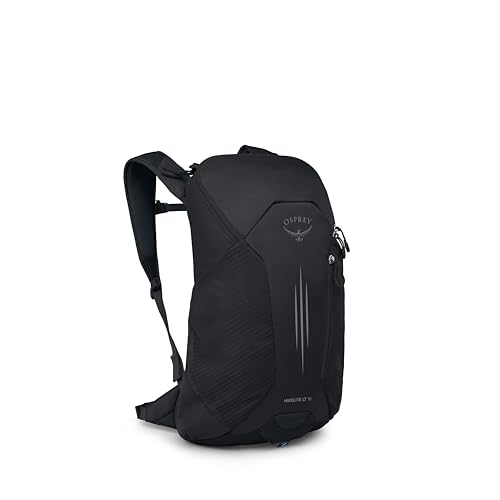
- ✓ Lightweight and comfortable
- ✓ Excellent ventilation
- ✓ Includes raincover
- ✕ Limited capacity for longer trips
- ✕ No multiple compartments
| Capacity | 16 liters (approximate based on product name) |
| Weight | 720 grams (1.59 lbs) |
| Material | Recycled polyester (raincover), durable nylon fabric (implied) |
| Suspension System | AirSpeed mesh trampoline backpanel with LightWire peripheral frame |
| Dimensions | 50 x 30 x 22 cm (19.7 x 11.8 x 8.7 inches) |
| Features | Hydration reservoir sleeve, load lifters, raincover, unisex fit |
The first time I slung the Osprey Hikelite LT 16L on my back, I immediately noticed how lightweight it felt, almost like I wasn’t carrying anything at all. Its streamlined design hugged my shoulders perfectly without feeling bulky, which was a relief during a long day hike.
The mesh backpanel, with its supportive AirSpeed suspension, kept my back cool even as the sun beat down.
What really stood out was how quickly I could access essentials. The massive side pockets held my water bottles and snacks with ease, while the front zip pocket was perfect for my phone and keys.
The hydration sleeve kept my reservoir secure, and the load lifters helped balance the weight during steeper climbs.
The raincover was a nice surprise—easy to pull out from its bottom compartment when the clouds opened up unexpectedly. I appreciated that it’s made from recycled materials, showing Osprey’s commitment to sustainability.
The pack’s unisex fit made it comfortable for my different friends when we swapped gear on the trail.
Overall, this pack’s simple yet thoughtful features made tackling the Salkantay trek feel far less daunting. It held enough without feeling heavy or awkward, and the ventilation kept sweat at bay.
Sure, it’s not meant for multi-day trips, but for day hikes or shorter adventures, it hits all the right notes.
High Sierra Loop Backpack with Tablet Sleeve, Olive

- ✓ Durable, lightweight fabric
- ✓ Comfortable suspension system
- ✓ Multiple organizational pockets
- ✕ Limited color options
- ✕ No hydration sleeve
| Dimensions | 19 x 13.5 x 8.5 inches |
| Main Compartment Capacity | Not explicitly specified, but designed to carry a tablet and organization pockets |
| Tablet Sleeve | Dedicated padded sleeve for tablets |
| Suspension System | Provides shock absorption to reduce load impact |
| Number of Pockets | Main compartment, secondary organization pockets, 2 accessory pockets |
| Intended User Age | 13 years and older |
Unzipping the High Sierra Loop Backpack, the first thing that catches your eye is its solid, olive-green fabric that feels durable yet lightweight in your hands. The 19 x 13.5 x 8.5-inch size is just right—large enough to hold everything you need but not bulky.
The main compartment opens smoothly, revealing a well-padded sleeve specifically designed for your tablet. It’s a thoughtful touch that instantly makes you feel more organized, especially when packing for a long trek like Salkantay.
The interior has multiple pockets—secondary ones for smaller items and two accessory pockets—making it easy to keep everything in its place. The backpack’s suspension system is noticeable when you lift it, providing a surprising level of relief for heavier loads.
Straps are thoughtfully designed with compression features that help cinch down your gear, preventing unwanted shifting during hikes. The material feels sturdy, and the stitching looks solid, promising durability on rough trails.
While it’s comfortable to wear, I found that the weight distribution is quite good, thanks to the shock-absorbing suspension system. It’s clear this backpack is built for more than just casual use—it’s ready for challenging hikes like Salkantay.
Overall, the High Sierra Loop Backpack balances practicality with comfort. It’s a reliable choice if you want a lightweight yet feature-rich pack that keeps your gear organized and secure.
Osprey Hikelite LT 16L Hiking Backpack, Blue OS

- ✓ Lightweight and comfortable
- ✓ Excellent ventilation system
- ✓ Waterproof raincover included
- ✕ Limited capacity for longer hikes
- ✕ No hipbelt pockets
| Capacity | 16 liters (approximately 975 cubic inches) |
| Weight | 720 grams (1.59 pounds) |
| Suspension System | AirSpeed mesh trampoline backpanel with LightWire peripheral frame |
| Dimensions | 50 x 30 x 22 cm (19.7 x 11.8 x 8.7 inches) |
| Material | Recycled polyester (raincover), unspecified main fabric |
| Additional Features | Hydration reservoir sleeve, load lifters, waterproof raincover, unisex fit |
As soon as I unzipped the Osprey Hikelite LT 16L, I was struck by its vibrant blue color—bright enough to stand out on a trail but not overly flashy. The weight is impressively light, just 1.59 pounds, so you barely notice it on your back.
The material feels durable yet soft to the touch, with a sleek, streamlined design that fits comfortably without feeling bulky. The mesh AirSpeed suspension system is a game-changer—offering solid support while keeping my back cool even during intense climbs.
The pack’s backpanel is surprisingly airy, thanks to that mesh trampoline design, which prevented any uncomfortable sweating. The LightWire frame stabilizes the load nicely, making it easy to carry snacks, water bottles, or layers in the massive side pockets.
The front zip pocket is handy for quick access to smaller essentials, and the hydration sleeve kept my reservoir secure without shifting. Load lifters made it easy to adjust the fit, and the included raincover stored neatly in the bottom compartment meant I was prepared for sudden weather changes.
Overall, this pack is simple but highly functional—perfect for moderate day hikes like Salkantay. It balances a clean, minimalist look with smart, thoughtful features that make your hike more comfortable.
Plus, knowing it’s made with environmentally friendly materials adds to its appeal.
If I had to find a flaw, it’s that the compact size isn’t ideal for longer trips or if you need to carry a lot. Still, for a daypack, it hits all the right notes.
Osprey Hikelite LT 16L Hiking Backpack, Gray OS

- ✓ Excellent ventilation
- ✓ Lightweight and supportive
- ✓ Handy raincover included
- ✕ Smaller capacity for longer trips
- ✕ Limited organization compartments
| Capacity | 16 liters (approximate, based on product name and typical daypack size) |
| Weight | 720 grams (1.59 pounds) |
| Dimensions | 50 x 30 x 22 cm (19.7 x 11.8 x 8.7 inches) |
| Suspension System | AirSpeed mesh trampoline backpanel with LightWire peripheral frame |
| Rain Cover | Included, made of 100% recycled polyester |
| Additional Features | Hydration reservoir sleeve, load lifters, massive side pockets, front zip pocket, unisex fit |
As soon as I slipped the Osprey Hikelite LT onto my back, I was struck by how airy and supportive it felt. The mesh trampoline backpanel made a noticeable difference, keeping my back cool even on steamy parts of my Salkantay trek.
The lightweight design is a real game changer. It feels almost weightless, which is perfect when you’re hauling it up steep climbs or navigating tricky paths.
Despite its compact size, the pack has a surprisingly generous capacity, with big side pockets that easily hold water bottles and snacks.
The hydration sleeve is a thoughtful touch, making it easy to stay hydrated without fuss. Load lifters help balance the weight, so the pack feels stable even when it’s loaded with essentials.
The simple layout means I could grab what I needed fast, without digging through a jumble of compartments.
Weather can change fast in the mountains, so the included raincover was a lifesaver during a sudden downpour. It stows neatly in its own bottom pocket, so I didn’t have to worry about it taking up space.
Plus, the pack’s unisex fit and durable, bluesign-certified materials make it feel good on all fronts. It’s a great choice for anyone tackling the Salkantay route, offering comfort, practicality, and a bit of eco-consciousness.
Osprey Hikelite LT 16L Hiking Backpack, Purple OS

- ✓ Excellent ventilation
- ✓ Lightweight and compact
- ✓ Large, accessible pockets
- ✕ Limited for overnight trips
- ✕ No internal organizer
| Capacity | 16 liters |
| Weight | 720 grams (1.59 lbs) |
| Dimensions | 50 x 30 x 22 cm (19.7 x 11.8 x 8.7 inches) |
| Suspension System | AirSpeed mesh trampoline backpanel with LightWire peripheral frame |
| Raincover | Included, waterproof, made from 100% recycled polyester |
| Features | Hydration sleeve, load lifters, large side pockets, front zip pocket, unisex fit |
As soon as I unzipped the Osprey Hikelite LT 16L, I was struck by how sleek and lightweight it feels in hand. Its compact size, just over 1.5 pounds, makes it almost feather-light but surprisingly sturdy.
The vibrant purple color instantly caught my eye, adding a pop of personality without feeling flashy.
The mesh backpanel with AirSpeed suspension is a game-changer. It offers firm support while keeping the back cool, even on warm days.
I appreciated how the load lifters and supportive webbing hipbelt kept the weight balanced and comfortable during a full day of hiking.
Fitting the pack was easy thanks to the unisex design, and it sat snugly without feeling restrictive. The side pockets are huge—perfect for water bottles and snacks—making quick access effortless.
The front zip pocket and hydration sleeve add extra convenience, especially when you want to stay organized.
The included raincover is a thoughtful touch. It stows away neatly in its own compartment and deploys quickly when the weather turns.
I tested it in some drizzles, and it kept everything dry without adding bulk.
Overall, this pack manages to feel minimal yet capable. It’s ideal for day hikes in unpredictable weather or quick outdoor excursions.
The design and features address common pain points, like ventilation and storage, without overcomplicating things.
While it’s not meant for heavy overnight gear, its versatility makes it a top pick for Salkantay trekkers who want comfort and practicality in a lightweight package.
What Are the Essential Features of a Backpack for the Salkantay Trek?
The essential features of a backpack for the Salkantay Trek ensure comfort, durability, and functionality during your adventure.
- Capacity: A backpack with a capacity between 40 to 70 liters is ideal for multi-day treks, allowing enough space for clothing, gear, food, and hydration. This size strikes a balance between carrying enough supplies and keeping the weight manageable.
- Weight: Lightweight materials are crucial to reduce fatigue over long distances. Aim for a backpack that combines durability with a lightweight design, typically weighing between 2 to 5 pounds, so you can carry it comfortably throughout the trek.
- Comfort and Fit: An adjustable harness system with padded shoulder straps and a hip belt is essential for distributing weight evenly. Look for backpacks with a torso length adjustment feature, ensuring a proper fit that minimizes pressure points and enhances stability.
- Weather Resistance: A water-resistant or waterproof material is important for protecting your gear from rain and moisture. Consider backpacks with a rain cover or built-in waterproofing to ensure your essentials stay dry during unpredictable weather conditions.
- Ventilation: A backpack with a mesh back panel or ventilation channels helps reduce sweating and increase airflow, keeping you comfortable on the trek. This feature is particularly beneficial in warmer climates or during strenuous hikes.
- Pockets and Organization: Multiple compartments, including side pockets and an internal hydration reservoir sleeve, allow for easy organization and quick access to essentials. Look for zippered pockets for valuables and external loops for attaching gear like trekking poles or sleeping bags.
- Durability: High-quality materials, such as nylon or polyester, ensure that the backpack can withstand rugged terrain and harsh conditions. Reinforced stitching and robust zippers further enhance durability, making sure your backpack can handle the demands of the Salkantay Trek.
- Accessibility: Features like top-loading designs or front panel access provide convenience when packing and unpacking. A good backpack should allow you to reach your gear without having to dig through everything, facilitating quick access to items you need during the trek.
How Crucial Are Weight and Durability When Choosing a Salkantay Backpack?
A durable backpack is essential for withstanding harsh weather conditions and rugged terrain encountered during the trek. Look for materials that are water-resistant and tear-proof, as these features will help protect your belongings and ensure the backpack lasts through the rigors of the Salkantay trek. Investing in a high-quality, durable backpack means it will not only serve you well on this adventure but also on future hikes and travels.
What Size and Capacity Are Ideal for Salkantay Trekking Backpacks?
When selecting the best backpack for the Salkantay Trek, size and capacity are crucial for ensuring comfort and functionality.
- Size (40-60 liters): A backpack size between 40 to 60 liters is ideal for the Salkantay Trek, as it provides enough space for essential gear without being overly cumbersome.
- Daypack (20-30 liters): A smaller daypack of 20-30 liters is beneficial for daily excursions, allowing trekkers to carry only the essentials such as water, snacks, and a rain jacket.
- Weight Distribution: A well-designed backpack should have a good weight distribution system, including padded shoulder straps and a hip belt, to help carry the load comfortably over long distances.
- Hydration System Compatibility: Backpacks that accommodate hydration reservoirs or water bottles are advantageous, as staying hydrated is crucial during the trek, especially at high altitudes.
The 40 to 60-liter size range allows trekkers to pack necessary clothing, sleeping gear, and food supplies while remaining lightweight and manageable. This capacity ensures you can carry everything you need for multiple days without overpacking, which can lead to fatigue.
A daypack of 20 to 30 liters is perfect for shorter hikes or daily excursions during the trek, providing a convenient way to carry just the essentials. It allows trekkers to leave their larger packs at the campsite while still having easy access to necessary items like snacks, cameras, and extra layers.
Weight distribution is vital for comfort on long treks, as a well-structured backpack can alleviate strain on your back and shoulders. Look for features such as adjustable straps, a padded hip belt, and an ergonomic design to help distribute the load effectively.
Hydration system compatibility is another important feature, as it’s essential to keep hydrated while trekking in high-altitude environments. Many modern backpacks include compartments or sleeves for hydration reservoirs, making it easy to drink water on the go without stopping to fumble with bottles.
Which Materials Offer the Best Protection and Comfort for Salkantay Backpacks?
The best materials for Salkantay backpacks prioritize both protection and comfort for trekkers.
- Ripstop Nylon: This lightweight and durable fabric is resistant to tearing and ripping, making it ideal for rugged outdoor conditions. Its water-resistant properties help keep your gear dry during unexpected rain showers, enhancing overall protection.
- Ballistic Nylon: Known for its exceptional durability, ballistic nylon is thicker and more resistant to abrasion and punctures. This material is perfect for backpacks that require extra strength, especially when carrying heavy loads, ensuring longevity and reliability on treks.
- Polyester: Often used in budget-friendly options, polyester is lightweight and water-resistant, making it a good choice for casual trekkers. While it may not be as robust as nylon, it offers decent protection and comfort for shorter hikes.
- Mesh Panels: Incorporating mesh in backpack designs enhances breathability, which is crucial during strenuous activities. Mesh allows air circulation, helping to keep your back cool and comfortable, especially when hiking in warmer climates.
- Closed-Cell Foam: This material is commonly used in shoulder straps and back panels to provide cushioning and support. Closed-cell foam molds to the shape of your body, offering comfort during long hikes while also maintaining durability against wear.
- Waterproof Coatings: Many high-quality backpacks come with waterproof coatings like polyurethane or silicone. These coatings ensure that even if the backpack fabric gets wet, the contents remain safe and dry, which is vital for protecting your gear on the Salkantay trek.
How Should You Choose the Right Backpack for the Salkantay Trek?
Choosing the right backpack for the Salkantay Trek involves considering several key factors to ensure comfort and practicality.
- Capacity: The ideal backpack capacity typically ranges from 40 to 60 liters, depending on the length of your trek and the gear you need to bring. A larger capacity allows for more supplies, but too much space can lead to excess weight, making it harder to hike.
- Fit and Comfort: A backpack should fit well to your body type, featuring adjustable straps and a padded hip belt. This helps distribute the weight evenly, reducing strain on your back and shoulders during long hikes.
- Weight: Opt for a lightweight backpack to minimize the overall load you carry. A heavy backpack can significantly hinder your mobility and stamina, especially in challenging terrains like those on the Salkantay Trek.
- Water Resistance: Ensure your backpack is made of water-resistant materials or comes with a rain cover. Given the unpredictable weather in the Andes, protecting your gear from rain and moisture is crucial for a successful trek.
- Accessibility: Look for features like side pockets, top-loading designs, or front zippers that allow easy access to your gear. Quick access to essentials like water or snacks can enhance your trekking experience.
- Durability: A durable backpack made from high-quality materials will withstand the rugged conditions of the Salkantay Trek. Reinforced seams and sturdy zippers are essential for longevity, especially when carrying heavy loads.
- Ventilation: Backpacks with a mesh back panel or ventilation system can help reduce sweat buildup and increase comfort during long hikes. Good airflow keeps your back cool, especially during strenuous climbs.
Which Brands Are Renowned for Quality Trekking Backpacks?
The main brands renowned for quality trekking backpacks include:
- Osprey: Known for their innovative designs and comfort, Osprey backpacks often feature adjustable harnesses and hip belts that provide excellent support during long treks.
- Deuter: Deuter is celebrated for its durable materials and ergonomic designs, which ensure a snug fit and ease of movement, making them ideal for challenging hikes like the Salkantay.
- Gregory: Gregory offers a wide range of backpacks that cater to different body types, with features such as ventilated back panels and ample pockets for organization, enhancing the trekking experience.
- North Face: The North Face combines style and functionality with their backpacks, often incorporating weather-resistant materials and ample storage options, making them suitable for various trekking conditions.
- Arc’teryx: Arc’teryx is known for its high-performance gear, and its backpacks are no exception; they are designed for extreme durability and lightweight, making them perfect for rigorous adventures.
Osprey backpacks stand out for their commitment to comfort, featuring adjustable harness systems that help distribute weight evenly, reducing fatigue on long hikes. Their models often include hydration reservoirs and numerous pockets to keep essentials organized.
Deuter backpacks are particularly favored for their focus on ergonomics, ensuring that the backpack fits well against the body for maximum comfort. Their use of high-quality materials means these backpacks can withstand tough terrains and weather conditions.
Gregory’s attention to detail allows for a personalized fit, with numerous adjustments available to accommodate different body shapes. Their backpacks often come with features like hydration compatibility and a variety of compartments for easy access to gear.
The North Face backpacks are designed for durability and functionality, making them suitable for various outdoor adventures. Many models include water-resistant fabrics and reinforced stitching, ensuring they can handle the challenges of trekking in different environments.
Arc’teryx focuses on premium materials and advanced construction techniques, resulting in lightweight yet durable backpacks that are ideal for serious trekkers. Their designs often incorporate innovative features like adjustable suspension systems for enhanced comfort and stability on rugged trails.
How Do User Reviews Influence Your Choice of Backpack for Salkantay?
User reviews play a significant role in influencing the choice of the best backpack for Salkantay by providing real-world insights and experiences from fellow trekkers.
- Quality Assessment: User reviews often highlight the durability and quality of materials used in the backpack. This is crucial for the Salkantay trek, where conditions can be rugged and unpredictable.
- Comfort and Fit: Reviews frequently discuss the comfort level of the backpack, including padding, weight distribution, and fit. A well-fitting backpack can make a significant difference in the long hours of trekking.
- Capacity and Organization: Many reviews will touch on the backpack’s capacity and how well it accommodates gear. This is vital for Salkantay, as trekkers need to balance carrying essentials without overloading themselves.
- Weather Resistance: Trekkers often share insights about how well a backpack performs in various weather conditions. Since the Salkantay trek can involve rain and cold, knowing a bag’s water resistance through user experiences is invaluable.
- Features and Functionality: Users typically elaborate on specific features like hydration reservoirs, pockets, and attachment points. These details help potential buyers understand if the backpack meets their needs for organization and accessibility on the trail.
- Value for Money: Reviews often discuss whether the backpack offers good value based on its price and performance. This feedback helps trekkers make informed decisions that align with their budget while ensuring they get a reliable product.
What Budget Should You Allocate for a Suitable Salkantay Backpack?
When considering the budget for the best backpack for Salkantay, it’s essential to account for various factors that influence cost.
- Backpack Size: The size of the backpack significantly affects the price, with larger backpacks typically costing more. A backpack around 50-70 liters is ideal for the Salkantay trek, providing enough space for gear without being overly cumbersome.
- Material Quality: High-quality materials such as ripstop nylon or polyester tend to be more expensive but offer better durability and weather resistance. Investing in a backpack made from quality materials ensures it withstands the rugged conditions of the Salkantay trek.
- Brand Reputation: Established brands often charge a premium for their products due to their reliability and warranty services. While they may be pricier, buying from a reputable brand can provide peace of mind regarding product performance and customer support.
- Features and Functionality: Additional features like hydration reservoirs, adjustable straps, and multiple compartments can increase the cost. However, these features enhance comfort and usability, making hiking easier and more enjoyable.
- Seasonal Sales and Discounts: Timing your purchase around seasonal sales can significantly reduce costs. Many outdoor retailers offer discounts during the off-season, allowing you to acquire a high-quality backpack without exceeding your budget.
How Can You Identify Budget-Friendly Options Without Sacrificing Quality?
Identifying budget-friendly options for the best backpack for Salkantay can be achieved through several strategies without compromising quality.
- Research Online Reviews: Look for customer reviews and expert opinions on various backpacks specifically designed for Salkantay trekking.
- Compare Prices: Use price comparison websites to check different retailers and find the best deals on backpacks you are considering.
- Check for Sales and Discounts: Keep an eye out for seasonal sales or discounts from outdoor retailers, which can significantly reduce costs.
- Consider Brand Reputation: Research brands known for their durability and customer satisfaction to ensure you are investing in a quality product.
- Assess Features vs. Needs: Evaluate the features of each backpack and determine which are truly necessary for your trek, allowing you to avoid paying for extras you might not use.
Research Online Reviews: Online reviews can provide insights into the performance and durability of backpacks from those who have used them on similar treks. Websites like outdoor forums, YouTube, and specialized review sites often feature detailed comparisons that highlight both pros and cons.
Compare Prices: Leveraging price comparison tools allows you to see a range of prices across different retailers, helping you identify the most affordable options. This step can save you money and ensure you get the best value for your investment.
Check for Sales and Discounts: Many outdoor retailers offer promotional discounts during certain seasons or holidays. Signing up for newsletters or following brands on social media can alert you to these opportunities for savings.
Consider Brand Reputation: Established brands often have a track record of producing reliable and high-quality gear. Investing in a well-regarded brand can provide peace of mind, knowing that you are less likely to encounter issues during your trek.
Assess Features vs. Needs: Understanding your specific needs for the Salkantay trek will help you prioritize essential features such as weight, capacity, and weather resistance. By focusing on what you truly need, you can avoid overpaying for unnecessary features that may not enhance your trekking experience.
What Factors Influence the Cost of a Good Salkantay Backpack?
The cost of a good Salkantay backpack is influenced by several key factors:
- Material Quality: The type of materials used in the backpack significantly affects its price. High-quality, durable fabrics like nylon or ripstop polyester provide better weather resistance and longevity, which can drive up the cost.
- Capacity and Size: Backpacks come in various sizes, typically measured in liters, and the capacity can impact the price. Larger backpacks that can hold more gear often come with additional features and reinforcements, making them more expensive than smaller options.
- Brand Reputation: Well-established brands that are known for producing high-quality outdoor gear often charge a premium. Investing in a reputable brand can ensure better performance and reliability during treks, which can justify a higher price tag.
- Features and Design: Backpacks equipped with specialized features such as hydration reservoirs, adjustable straps, or multiple compartments tend to be more costly. These features enhance usability and comfort during long hikes, making them worth the extra investment for serious trekkers.
- Weight: Lightweight backpacks are often made with advanced materials and design techniques that can increase their cost. A lighter pack can enhance mobility and reduce fatigue on long treks, which is a significant consideration for hikers looking to optimize their experience.
- Warranty and Customer Support: Some brands offer longer warranties or better customer service, which can be reflected in the price. A good warranty indicates confidence in the product’s durability, providing peace of mind for buyers willing to invest more in their backpack.
How Can You Prepare and Pack Effectively for the Salkantay Trek?
Preparing and packing effectively for the Salkantay Trek requires careful consideration of gear and supplies to ensure a comfortable and successful adventure.
- Quality Backpack: Choose a backpack that is specifically designed for trekking, ideally between 50 to 70 liters in capacity.
- Layered Clothing: Pack moisture-wicking base layers, insulating mid-layers, and a waterproof outer layer to adapt to weather changes.
- Hydration System: Include a hydration bladder or water bottles to ensure you stay well-hydrated throughout the trek.
- Comfortable Footwear: Invest in a pair of well-fitted hiking boots that offer good ankle support and are broken in before the trek.
- First Aid Kit: A compact first aid kit should include essentials like band-aids, antiseptic wipes, and pain relievers for any minor injuries.
- Snacks and Energy Bars: Pack high-energy snacks such as nuts, dried fruits, and energy bars to keep your energy levels up during the hike.
- Sleeping Gear: A lightweight sleeping bag rated for cold temperatures is essential, as nights can be chilly in the mountains.
- Personal Items: Don’t forget toiletries, sunscreen, and insect repellent to maintain personal hygiene and protection from the elements.
The quality of your backpack is crucial; it should have an adjustable frame and padded straps for comfort, allowing you to carry your gear without strain. Look for features like multiple compartments for organization and a rain cover for protection against unexpected downpours.
Layered clothing is important because temperatures can vary significantly from day to night; layering allows you to add or remove clothing as needed. Materials that wick moisture away from your skin will help keep you dry and warm, while a waterproof layer will protect you from rain and wind.
A reliable hydration system is necessary to prevent dehydration, especially at high altitudes. Consider a hydration bladder with a tube for easy sipping while on the move, alongside a couple of water bottles for backup.
Comfortable footwear is essential for preventing blisters and ensuring that you can hike long distances comfortably. Make sure your hiking boots fit well and have adequate tread for slippery trails, and always break them in before your trek.
Having a first aid kit can be a lifesaver; minor injuries can occur during any trek, and being prepared can make all the difference. Include items like adhesive bandages, gauze, and any personal medications you may need.
Snacks and energy bars are vital for maintaining your energy levels throughout the day. Choose lightweight, nutrient-dense options that are easy to carry and consume on the go.
A sleeping bag designed for cold weather is necessary because temperatures can drop significantly at night in the mountains. Ensure that it is lightweight and compressible for easy packing.
Lastly, personal items such as toiletries, sunscreen, and insect repellent are important for comfort and protection. Keeping your skin protected from the sun and bugs will help you enjoy your trek without distraction.
What Packing Strategies Should You Follow to Optimize Your Backpack?
To optimize your backpack for a trek like Salkantay, you should consider several packing strategies:
- Weight Distribution: Properly distribute the weight in your backpack to maintain balance and reduce strain on your back. Place heavier items closer to your back and at the bottom of the pack, while lighter items should be packed higher up and towards the top.
- Organizational Packing: Utilize packing cubes or dry bags to keep gear organized and easily accessible. This method helps you find what you need quickly, minimizes rummaging through the pack, and ensures that your items remain dry and protected.
- Essential Items Accessibility: Keep frequently used items, such as snacks, maps, and first-aid supplies, in external pockets or at the top of your backpack. This allows for quick access without having to dig through your entire pack, which is especially important during breaks on the trail.
- Clothing Layering: Pack clothing in layers to accommodate changing weather conditions on the Salkantay trek. Use moisture-wicking base layers, insulating mid-layers, and waterproof outer layers, and arrange them in a way that you can easily add or remove layers as needed.
- Compression Packing: Use compression sacks for sleeping bags and clothes to save space in your backpack. Compression allows you to fit more gear into your pack while keeping it organized, which is essential for a multi-day trek.
- Lightweight Gear Selection: Choose lightweight gear and equipment to minimize overall weight. Investing in high-quality, lightweight gear can significantly enhance your comfort and endurance during the trek, making it easier to carry everything you need.
- Leave No Trace Principles: Pack out what you pack in by bringing reusable containers for food and trash bags for waste. Following these principles not only helps preserve the environment but also ensures that your backpack remains manageable and lightweight.
How Do You Arrange Your Gear for Maximum Comfort During the Trek?
Arranging your gear properly is essential for comfort during your Salkantay trek.
- Weight Distribution: Place heavier items at the bottom and close to your back to maintain stability.
- Accessibility: Keep frequently used items, like snacks and water, in external pockets for easy access without unpacking your entire bag.
- Organization: Use packing cubes or dry bags to separate clothing, gear, and food, making it easier to find what you need quickly.
- Padding and Support: Ensure your backpack has padded straps and a hip belt to distribute weight evenly and reduce strain on your shoulders.
- Rain Cover: Always have a rain cover accessible to protect your gear from unexpected weather changes.
Weight distribution is crucial for maintaining balance and comfort; heavier items should be placed at the bottom of the backpack and as close to your back as possible to prevent strain on your spine.
Accessibility is important for quick stops; having snacks, water, and other essentials stored in external pockets allows you to grab them without digging through your pack.
Organization can lead to a more stress-free trek; using packing cubes or dry bags allows you to categorize your gear and find items quickly when needed.
Padding and support in your backpack are vital for comfort; padded straps and a supportive hip belt help distribute the weight across your body, reducing fatigue during long hikes.
A rain cover is an essential accessory; keeping it readily available ensures that if the weather turns, you can quickly protect your gear from getting wet, which is especially important in the variable climates of the Salkantay.
Related Post: