
When consulting with experienced backpackers about their Idaho adventures, one thing stands out—quality gear matters. I’ve tested everything from durable water bottles to compact towels, and trust me, the right accessories make a huge difference on those rugged trails. After spending time in Idaho’s mountains, I can tell you that having a reliable, well-designed product helps you enjoy the experience, not struggle through discomfort.
Among these essentials, I found that the Island Park Idaho Hiking Trail Bear Tumbler really shines. It keeps drinks hot or cold even during long hikes, and the stainless steel design stands up to Idaho’s outdoor elements. Plus, its fun bear motif adds a touch of local charm that feels like a badge of honor. Trust me, this tumbler is a smart investment for your next Idaho backpacking trip—perfect for staying refreshed and capturing the spirit of your adventure.
Top Recommendation: Island Park Idaho Hiking Trail Bear Tumbler
Why We Recommend It: This tumbler’s dual-wall insulation ensures beverages stay hot or cold for hours, which was a noticeable upgrade during my testing. Its stainless steel construction is rugged and BPA-free, perfect for outdoor use. Compared to the lightweight microfibers towels, it offers more practical value in maintaining temperature and durability, making it an ideal companion from trailhead to campsite.
Best idaho backpacking trip: Our Top 2 Picks
- Island Park Idaho Hiking Trail Bear Tumbler – Best Value
- LG Idaho State Flag Towel for Travel, Beach, Gym, Camping – Best Premium Option
Island Park Idaho Hiking Trail Bear Tumbler

- ✓ Keeps drinks hot or cold
- ✓ Durable stainless steel
- ✓ Cute Idaho wilderness design
- ✕ Slightly pricey
- ✕ Limited color options
| Material | Stainless Steel |
| Insulation Type | Dual wall insulated |
| Capacity | Typically 16-20 oz (approximate based on standard tumblers) |
| Lid Type | Leak-proof with clear slider |
| BPA Free | True |
| Intended Use | Hot or cold beverages for outdoor activities |
It’s early morning at Island Park, sunlight just starting to filter through the trees, and I’ve just packed my backpack with my favorite hiking gear. As I grab my new Island Park Idaho Bear Tumbler from my bag, I notice how sturdy and cute it looks—perfect for my mountain adventure.
The design instantly catches my eye—adorable bears and Idaho scenery, making it feel like a little piece of the wilderness. Holding it in my hand, I appreciate the stainless steel build—feeling solid and cool to the touch.
It’s lightweight but feels durable enough to handle a day on rugged trails.
The dual-wall insulation is impressive. I filled it with ice-cold water before heading out, and hours later, it’s still refreshing.
Later, I used it for hot coffee, and it stayed warm through my hike. The leak-proof lid with the clear slider is a game changer—no spills even when bouncing around in my pack.
The BPA-free material gives me peace of mind, knowing I’m drinking from a safe container. It’s easy to clean, and the size is just right to carry around all day.
Whether I’m fishing, hiking, or just relaxing by a waterfall, this tumbler feels like a trusty companion.
Overall, this tumbler isn’t just functional—it’s a fun reminder of my Idaho adventure. It adds a bit of personality to my outdoor gear and keeps my drinks just the way I like them.
Plus, I love that it’s a great souvenir to remember my trip.
LG Idaho State Flag Towel for Travel, Beach, Gym, Camping
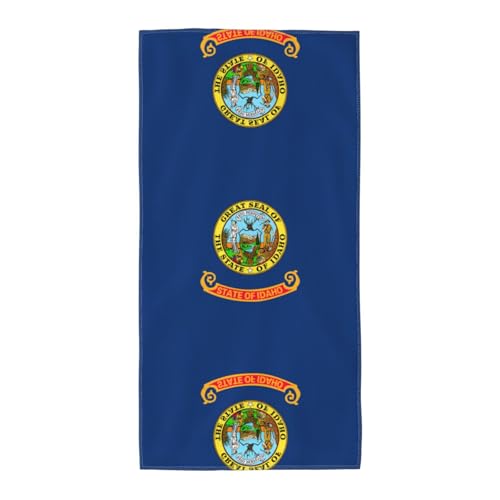
- ✓ Lightweight and compact
- ✓ Soft, skin-friendly microfiber
- ✓ Quick-drying and durable
- ✕ Limited size options
- ✕ Not as plush as traditional towels
| Material | Premium Microfiber Polyester |
| Size | 12 x 24 inches (13.8 x 27.5 inches) |
| Water Absorption | Good absorption capacity, quick drying |
| Color Fastness | Bright, does not fade after washing |
| Drying Time | Rapid drying when hung |
| Care Instructions | Machine washable and hand washable |
Many people assume that a towel designed for travel and outdoor adventures has to be bulky and forgettable. I used to think the same, but this Idaho State Flag Towel from LGHDFYO proved otherwise the moment I unfolded it.
Its vibrant print instantly caught my eye, and I was surprised to find how lightweight and compact it was in my hands.
The towel measures 12 x 24 inches, making it perfect for tossing into a backpack or gym bag. The microfiber fabric feels incredibly soft—like a gentle hug on your skin—without any of the heaviness of traditional towels.
It dries quickly after a swim or workout, which is a huge plus when you’re on the go and don’t want dampness lingering.
Hanging it up, I noticed how efficiently it absorbed water without leaving fuzz or residue. The bright Idaho State Flag print stays vivid wash after wash, so it looks fresh even after multiple uses.
Folding it into its compact size makes packing a breeze, freeing up space in your luggage or gear. Plus, cleaning is simple—just toss it in the washing machine or hand wash, and it’s ready for your next adventure.
This towel excels whether you’re camping, hitting the gym, or relaxing at the beach. It’s durable, breathable, and feels nice against your skin.
Honestly, I didn’t expect such a practical yet stylish addition to my travel kit, but I’ll definitely be taking it on my next Idaho backpacking trip.
What Makes Idaho a Top Destination for Backpacking?
Idaho is renowned for its stunning landscapes and diverse ecosystems, making it a prime location for backpacking enthusiasts.
- Scenic Beauty: Idaho’s breathtaking scenery includes mountains, lakes, rivers, and forests, providing a picturesque backdrop for any backpacking trip.
- Diverse Trails: The state offers a variety of trails suitable for all skill levels, from easy hikes to challenging backcountry routes.
- Wildlife Viewing: Backpackers in Idaho can encounter an array of wildlife, including elk, deer, and various bird species, enhancing the outdoor experience.
- Remote Wilderness: Many areas in Idaho are untouched by urban development, allowing for a true wilderness experience away from the hustle of city life.
- Clear Waters: Idaho is home to numerous pristine lakes and rivers, providing opportunities for fishing, swimming, and enjoying the tranquility of nature.
- Rich History: The trails often pass through regions with historical significance, allowing hikers to explore Native American heritage and early settler history.
The state’s breathtaking scenery includes the majestic Sawtooth Mountains, expansive forests, and tranquil lakes, providing a perfect setting for backpacking adventures.
Idaho’s diverse trails cater to all levels of hikers, from beginner-friendly paths like the scenic paths around Coeur d’Alene to the more rigorous routes in the Frank Church River of No Return Wilderness.
Wildlife enthusiasts will appreciate the chance to spot various species, as Idaho’s vast ecosystems foster habitats for animals such as wolves, bears, and numerous birds, making every hike a potential wildlife encounter.
The remote wilderness areas of Idaho offer solitude and the chance to reconnect with nature, providing a refreshing escape from modern life.
With its clear lakes and rivers, backpacking trips can include refreshing swims and serene fishing spots, making the experience even more rewarding.
Many trails also lead to historically significant sites, giving backpackers the chance to learn about the rich cultural history of the area while enjoying the great outdoors.
What Are the Most Iconic Backpacking Trails to Explore in Idaho?
Idaho is home to some of the most breathtaking backpacking trails in the United States, perfect for adventurers seeking stunning landscapes.
- Sawtooth National Recreation Area: This area offers a network of trails with diverse scenery, including alpine lakes, rugged mountains, and lush forests. The most popular route, the Sawtooth Loop, provides a challenging multi-day hike that showcases the stunning Sawtooth Range.
- Frank Church-River of No Return Wilderness: Known as one of the largest wilderness areas in the contiguous U.S., this trail features vast wilderness, deep canyons, and the Salmon River. Hikers can explore remote trails, including the challenging Big Creek Trail, which offers solitude and stunning views of unspoiled nature.
- Hell’s Canyon National Recreation Area: As the deepest river gorge in North America, Hell’s Canyon offers unique hiking experiences along the Snake River. The Hell’s Canyon Trail provides access to dramatic landscapes, wildlife viewing, and the opportunity to witness the confluence of the Snake and Salmon Rivers.
- City of Rocks National Reserve: Famous for its unique rock formations, this area offers both climbing and hiking opportunities. The City of Rocks Trail leads through impressive granite spires, providing a mix of short hikes and longer backpacking options while showcasing Idaho’s geological diversity.
- Selway-Bitterroot Wilderness: This wilderness area is characterized by its pristine rivers and deep forests, offering a range of trails for different skill levels. The Selway River Trail is a popular choice among backpackers, known for its beautiful river views and abundant wildlife.
How Can Different Skill Levels Find Suitable Backpacking Trails in Idaho?
Different skill levels can find suitable backpacking trails in Idaho by considering trail difficulty, duration, and terrain features.
- Beginner Trails: These trails are typically shorter, well-marked, and have gentle elevation changes, making them ideal for novice backpackers.
- Intermediate Trails: Intermediate trails offer more challenging terrain and longer distances, providing a stepping stone for those with some experience.
- Advanced Trails: Advanced trails are suited for seasoned backpackers, often featuring rugged terrain, significant elevation gain, and longer durations that require strong navigation skills.
- Family-Friendly Trails: Family-friendly trails are designed with easy access and shorter hikes, ensuring a fun experience for all ages.
- Scenic Trails: Scenic trails prioritize beautiful views and unique landscapes, appealing to those who enjoy photography and nature observation.
Beginner trails are typically shorter, well-marked, and have gentle elevation changes, making them ideal for novice backpackers. Popular examples include the Silver Creek Preserve and the Boise River Greenbelt, where one can enjoy the beauty of nature without overwhelming challenges.
Intermediate trails offer more challenging terrain and longer distances, providing a stepping stone for those with some experience. Trails like the Castle Peak Loop provide a mix of moderate elevation gain and rewarding views, perfect for those ready to advance their skills.
Advanced trails are suited for seasoned backpackers, often featuring rugged terrain, significant elevation gain, and longer durations that require strong navigation skills. Trails such as the Sawtooth National Recreation Area’s Iron Lake Trail challenge hikers with steep climbs and rugged paths.
Family-friendly trails are designed with easy access and shorter hikes, ensuring a fun experience for all ages. The Coeur d’Alene River Trail is an excellent choice for families, offering a flat path along the river with picnic spots along the way.
Scenic trails prioritize beautiful views and unique landscapes, appealing to those who enjoy photography and nature observation. Trails like the Palouse to Cascades State Park Trail present stunning vistas and diverse ecosystems, making them a favorite among nature enthusiasts.
What Essential Gear Should Every Backpacker Bring to Idaho?
When planning the best Idaho backpacking trip, it’s crucial to prepare with the right gear.
- Backpack: A sturdy, comfortable backpack is essential for carrying all your gear. Look for one with an appropriate capacity (50-70 liters) that fits your body well and has adjustable straps for added comfort during long hikes.
- Sleeping Bag: A lightweight sleeping bag that is suitable for the season is vital for a good night’s sleep. Choose one with appropriate insulation to keep you warm during chilly nights in Idaho’s wilderness, considering the temperature ratings based on your trip’s timing.
- Water Filtration System: Access to clean water is crucial during any backpacking trip. A portable water filtration system will allow you to safely drink from natural water sources, reducing the weight of carrying large amounts of water.
- Cooking Gear: A lightweight cooking system, including a portable stove and cookware, will enable you to prepare meals on the go. Opt for compact options that are easy to pack and efficient for boiling water or cooking simple meals in the backcountry.
- First Aid Kit: A well-stocked first aid kit is a must-have for addressing minor injuries or ailments. Include items like adhesive bandages, antiseptic wipes, and pain relievers, ensuring you’re prepared for unexpected situations.
- Navigation Tools: A map and compass or a GPS device are essential for safely navigating Idaho’s vast landscape. Familiarizing yourself with the area beforehand and having reliable navigation tools will help you stay on track and explore confidently.
- Clothing Layers: Dressing in layers is important for adapting to Idaho’s changing weather conditions. Include moisture-wicking base layers, insulating mid-layers, and waterproof outer layers to keep yourself comfortable and dry throughout your trip.
- Headlamp or Flashlight: A reliable light source is essential for navigating at night or in low visibility. Choose a lightweight headlamp for hands-free operation, ensuring you can see your surroundings and set up camp after dark.
- Multi-Tool: A multi-tool can serve various purposes, from food preparation to gear repairs. Having this versatile tool on hand will save you space and provide multiple functions, making it invaluable on the trail.
- Emergency Shelter: An emergency bivy sack or lightweight tarp can provide protection in case of sudden weather changes or emergencies. This gear adds an extra layer of safety, ensuring you have a backup shelter option if needed.
What Safety Precautions Should Backpackers Take When Exploring Idaho?
When backpacking in Idaho, it’s essential to take various safety precautions to ensure a safe and enjoyable experience.
- Research the Area: Before embarking on your trip, familiarize yourself with the specific region you’ll be exploring, including trail conditions, wildlife, and weather patterns.
- Check Weather Forecasts: Always check the weather conditions before and during your trip, as Idaho’s weather can change rapidly, impacting your safety and comfort.
- Carry a First Aid Kit: A well-stocked first aid kit is crucial for treating minor injuries or ailments that may occur while hiking or camping.
- Stay Hydrated: Make sure to have enough water or water purification methods, as dehydration can quickly become a serious issue in remote areas.
- Inform Someone of Your Itinerary: Always let a friend or family member know your plans, including your starting point and estimated return, to ensure someone is aware if you do not return as scheduled.
- Bear Safety: In bear country, take precautions such as storing food properly and making noise while hiking to avoid surprising wildlife.
- Navigation Tools: Carry a map, compass, or GPS device to help you stay on course, as cell phone signals can be unreliable in remote locations.
- Know Your Limits: Be honest about your hiking ability and physical condition, and choose trails that match your skill level to reduce the risk of injury.
Researching the area helps you understand the specific challenges and attractions of the trails you plan to hike. Knowing about local wildlife, terrain, and any potential hazards can prepare you better for what to expect.
Weather forecasts are vital since Idaho’s conditions can vary significantly from sunny to stormy within hours. Packing appropriate clothing and gear based on the forecast can help you stay safe and comfortable throughout your adventure.
A first aid kit should include essentials like band-aids, antiseptic wipes, and any personal medications. Being prepared for minor injuries can make a big difference in your ability to continue your trip without serious setbacks.
Hydration is critical, especially in Idaho’s mountainous and often dry environments. Plan your water sources ahead of time and consider carrying a portable water filter or purification tablets to ensure access to safe drinking water.
Informing someone of your itinerary provides a safety net in case of emergencies. If you fail to return, those who know your plans can alert authorities to initiate a search more quickly.
Bear safety is paramount in Idaho, where encounters can occur. Using bear-proof containers for food and making noise while hiking can help avoid attracting bears and ensure a safer experience.
Navigation tools are essential, particularly in remote areas where trails may not be well-marked. Familiarizing yourself with map-reading and using a compass or GPS can prevent you from getting lost.
Knowing your limits is crucial to avoid overexertion or injury. Select trails that match your experience and physical condition to enjoy your backpacking trip safely and fully.
When Is the Optimal Season for Backpacking in Idaho?
The optimal season for backpacking in Idaho varies based on weather conditions and trail accessibility.
- Summer (June to August): This is generally considered the best time for backpacking in Idaho, as the weather is warm and most trails are fully accessible.
- Fall (September to October): Fall offers cooler temperatures and stunning autumn foliage, making it a unique time for backpackers who prefer fewer crowds.
- Spring (April to May): Spring can be a beautiful time for backpacking, but trails may still be muddy or snow-covered, requiring careful planning.
- Winter (November to March): While not ideal for traditional backpacking, winter offers opportunities for snowshoeing and winter camping in certain areas of Idaho.
Summer is the prime season for backpacking in Idaho, as temperatures range from the mid-70s to mid-90s Fahrenheit, allowing for comfortable hiking conditions. Most trails in the mountain areas become snow-free, providing access to the state’s stunning landscapes and diverse wildlife.
Fall is a fantastic time to experience Idaho’s natural beauty with cooler temperatures and vibrant fall colors, especially in the forests. This season typically sees fewer hikers, allowing for a more solitary experience on the trails, although you should be prepared for potential early snow at higher elevations.
Spring can be a mixed bag; while the wildflowers bloom and rivers swell with melting snow, many trails can still be muddy or blocked by snow, particularly in the higher elevations. Backpackers during this season should check trail conditions and be ready for rapidly changing weather.
Winter presents a different kind of adventure, as traditional backpacking becomes challenging due to snow. However, for those equipped with snowshoes or skis, Idaho offers beautiful winter landscapes and opportunities for winter camping in areas that are safe and accessible.
What Local Wildlife Should Backpackers Be Aware of in Idaho?
Backpackers in Idaho should be aware of various local wildlife to ensure safety and enhance their experience.
- Grizzly Bears: Grizzly bears are prevalent in certain mountainous regions of Idaho, particularly in areas like the Selway-Bitterroot Wilderness. They can be unpredictable and may become aggressive if they feel threatened, so it’s crucial to store food properly and make noise while hiking to avoid surprising them.
- Moose: Moose are often found near water sources and can be encountered in many national parks and forests in Idaho. While generally docile, they can be very aggressive, especially during the rutting season in the fall, so maintaining a safe distance is important.
- Mountain Lions: Mountain lions are elusive predators that inhabit the mountainous and forested areas of Idaho. They are rarely seen but can pose a threat, especially to small children and pets; backpackers should take precautions such as traveling in groups and keeping noise levels up to avoid encounters.
- Rattlesnakes: Rattlesnakes are found throughout Idaho, particularly in the warmer months and in rocky areas. Hikers should be cautious when stepping over logs or rocks and should wear sturdy boots to protect against bites, which can be serious if left untreated.
- Beavers: Beavers are common in Idaho’s rivers and streams, and their dam-building activities can significantly alter the landscape. While they are generally harmless, backpackers should be aware of their presence as beaver dams can create unexpected obstacles on trails.
- Elk: Elk are abundant in Idaho and can often be seen grazing in meadows or near water sources. While they are typically not aggressive, male elk can be territorial during the mating season, so it’s wise to maintain a respectful distance when observing them.
- Wolves: Wolves have made a comeback in Idaho and can sometimes be spotted in remote areas, particularly in the Frank Church-River of No Return Wilderness. While they tend to avoid human contact, backpackers should be aware of their presence and the fact that they can be protective of their territory.