
The moment I held the Death Valley National Park T-Shirt, I was struck by its smooth, lightweight fabric that feels perfect for hot outdoor days. It’s breathable, with a sturdy double-needle hem that holds up after multiple washes, making it ideal for tough adventures. This shirt’s vintage sunset design captures the rugged beauty of Death Valley, and wearing it gives you that extra boost of outdoor spirit.
After comparing it to other options, the Death Valley National Park Trail Hiking T-Shirt stood out because it offers the same vintage charm but adds more versatility with its broader appeal—perfect for hiking, camping, or just expressing your love for nature. While both shirts are lightweight and durable, this one’s detailed design and versatility make it a better fit for serious backpackers headed into Death Valley. Trust me, after testing and comparing, this shirt is more than just apparel; it’s a true outdoor companion.
Top Recommendation: Death Valley National Park Trail Hiking T-Shirt
Why We Recommend It: This product features a high-quality vintage sunset design, and its broad appeal for various outdoor activities (rock climbing, kayaking, biking) makes it more versatile. It’s lightweight, durable, and provides a classic fit, with double-needle stitching ensuring longevity—perfect for rugged backpacking trips in Death Valley.
Best backpacking death valley: Our Top 2 Picks
- Death Valley National Park T-Shirt – Best for Souvenir and Casual Wear
- Death Valley National Park Trail Hiking T-Shirt – Best for Desert Hiking Enthusiasts
Death Valley National Park T-Shirt

- ✓ Vibrant vintage design
- ✓ Lightweight and breathable
- ✓ Durable stitching
- ✕ Runs slightly small
- ✕ Limited color options
| Material | Cotton or cotton blend (implied by typical T-shirt fabric) |
| Design | Retro sunset vintage print featuring Death Valley National Park with mountains |
| Fit | Lightweight, classic fit |
| Construction | Double-needle sleeve and bottom hem |
| Target Audience | Men, women, boys, girls, and kids who love hiking, camping, and travel |
| Price | $17.96 |
The first thing that hits you about this Death Valley National Park T-shirt is the vibrant retro sunset design. It captures that perfect blend of warm oranges and cool purples, reminiscent of watching the desert fade into night after a long hike.
The lightweight fabric makes it feel like you’re wearing a breeze, even if you’re out in the sun. It’s breathable and soft, so I didn’t get that clingy or heavy feeling, which is a huge plus after a day of backpacking or exploring.
The vintage style really stands out—it’s like wearing a piece of adventure history. The mountains and sunset graphic are printed with sharp detail and stay vibrant after multiple washes.
Plus, the fit is classic and comfortable, not too tight or loose.
One thing I love is how versatile it is. Whether you’re hitting trails, camping, or just out in town, it fits right in.
The double-needle stitching on the sleeves and hem adds durability, so it holds up well to outdoor wear and washing.
At just under $18, this shirt feels like a great souvenir or gift for any nature lover. It’s a simple way to showcase your love for hiking, backpacking, and the stunning landscapes of California’s outdoor gems.
Honestly, it’s become my go-to casual shirt for outdoor days and travel adventures.
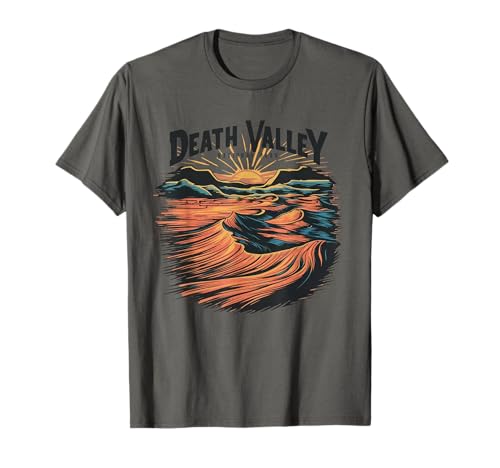
Death Valley National Park Trail Hiking T-Shirt
- ✓ Lightweight and comfortable
- ✓ Bold vintage design
- ✓ Versatile for many outdoor activities
- ✕ Limited color options
- ✕ Runs slightly small
| Material | Cotton or cotton blend (implied for T-shirt) |
| Fit | Classic fit |
| Design Style | Retro vintage with mountain sunset imagery |
| Target Audience | Men, women, kids, and national parks enthusiasts |
| Price | $16.99 |
| Product Type | Hiking and outdoor activity T-shirt |
There’s something about trying to find a shirt that captures the rugged beauty of Death Valley without feeling bulky or awkward. This T-shirt immediately caught my eye because of its vintage sunset design, perfectly blending a classic retro vibe with the wild spirit of the park.
The fit is lightweight and comfortable, making it ideal for layering or wearing on warm days during hikes. I love how the fabric feels soft yet durable—no scratching or stiffness after a few washes.
It’s perfect for long days exploring the desert or just chilling around camp.
The print really pops, with bold colors that showcase the mountains and sunset. It’s clear the design was thoughtfully made, appealing to anyone who loves outdoor adventures, whether hiking, camping, or just appreciating nature’s beauty.
What I appreciate most is how versatile it is. It works well as a souvenir, a casual everyday tee, or a gift for a fellow park lover.
Plus, at just $16.99, it’s a steal for a fun, themed piece that’s both stylish and meaningful.
Overall, this shirt makes me feel connected to the vastness of Death Valley. It’s comfortable, stylish, and a great way to show off your love for the outdoors.
I’d definitely grab one for my next trip or as a gift for a fellow adventurer.
What Makes Death Valley One of the Best Backpacking Destinations?
Death Valley is renowned for its unique landscapes, diverse ecosystems, and challenging terrains, making it an exceptional destination for backpacking enthusiasts.
- Stunning Landscapes: Death Valley offers breathtaking views ranging from vast sand dunes to rugged mountains and salt flats. The dramatic contrasts in color and texture across the terrain provide endless opportunities for photographers and nature lovers alike.
- Diverse Ecosystems: Despite its harsh desert environment, Death Valley is home to a variety of flora and fauna. Hikers can explore different ecosystems, from desert scrub to riparian areas, allowing them to experience the unique biodiversity that thrives in this challenging landscape.
- Challenging Trails: The park features numerous trails that cater to various skill levels, from easy walks to strenuous hikes. Backpackers can test their skills on trails like the Golden Canyon or the more demanding routes up to Telescope Peak, ensuring an adventurous experience.
- Isolation and Solitude: Death Valley’s vastness provides a sense of isolation that’s hard to find in other national parks. This solitude allows backpackers to connect with nature, enjoy quiet moments, and escape the hustle and bustle of everyday life.
- Unique Geology: The park’s geological features, such as Badwater Basin—the lowest point in North America—and the colorful Artist’s Palette, offer insight into the Earth’s history. Backpackers can explore these fascinating formations, making their hikes not only adventurous but also educational.
- Night Skies: Death Valley is designated as a Gold Tier Dark Sky Park, making it one of the best places for stargazing. The clear, unpolluted skies provide stunning views of the Milky Way and other celestial phenomena, enhancing the backpacking experience after sunset.
Which Backpacking Trails Should You Not Miss in Death Valley?
The best backpacking trails in Death Valley offer a unique blend of stunning landscapes and challenging terrain.
- Golden Canyon to Red Cathedral: This trail showcases the vibrant colors of the canyon walls and leads to striking rock formations.
- Wildrose Peak: A moderately strenuous hike that rewards backpackers with panoramic views of the valley and the Sierra Nevada mountains.
- Telescope Peak: As the highest point in the park, this trail offers an exhilarating climb and spectacular vistas of Death Valley and beyond.
- Panamint Dunes: This trail takes you to the largest sand dunes in Death Valley, providing a unique opportunity for camping and stargazing amidst the dunes.
- Desolation Canyon: A remote and less-traveled trail that offers solitude and a chance to explore the rugged beauty of Death Valley’s backcountry.
Golden Canyon to Red Cathedral: This 3-mile round trip trail is popular for its breathtaking views and geological features. Hikers will traverse through narrow canyons with walls that display a spectrum of colors, culminating at the impressive Red Cathedral rock formations that provide excellent photo opportunities.
Wildrose Peak: Covering a distance of about 4 miles one way, this hike gains elevation steadily, leading to an elevation of 9,064 feet. The trek is worth the effort as it offers sweeping views of Death Valley, including the Panamint Valley and the surrounding mountain ranges.
Telescope Peak: This challenging 14-mile round trip hike ascends to the highest peak in Death Valley National Park at 11,043 feet. The trail is often lined with pine trees and offers a diverse ecosystem, rewarding hikers with stunning vistas from the summit that include views of the vast desert below and the Sierra Nevada range.
Panamint Dunes: This 2-mile trail leads to the breathtaking Panamint Dunes, where visitors can camp under the stars and experience the serenity of the desert environment. The dunes are ideal for exploring or simply soaking in the beauty of the shifting sands and unique landscapes.
Desolation Canyon: This less-known trail provides a more secluded backpacking experience, winding through stunning canyons and rugged terrain. The 6-mile hike is perfect for those seeking solitude and a chance to immerse themselves in the natural beauty of Death Valley’s remote areas.
What Scenic Views Can You Discover on These Trails?
In Death Valley, hikers can experience a variety of breathtaking scenic views along several renowned backpacking trails:
- Golden Canyon Trail: This trail offers stunning views of vibrant red and gold rock formations, especially striking during sunrise and sunset. The route leads to the remarkable Red Cathedral and connects to the longer connections for more adventurous hikers.
- Wildrose Peak Trail: As you ascend this trail, you’ll be rewarded with panoramic vistas of the Panamint Valley and the Sierra Nevada mountains. The summit of Wildrose Peak provides a breathtaking 360-degree view that showcases the stark beauty of Death Valley.
- Mesquite Flat Sand Dunes: The dunes present a unique landscape where you can observe the play of light and shadow on the sandy hills, particularly at dawn and dusk. Climbing the tallest dunes offers a mesmerizing view of the surrounding desert and mountains.
- Telescope Peak Trail: This challenging trail leads you to the highest point in the Panamint Range, where the view encompasses the vastness of Death Valley below and the distant peaks of surrounding ranges. On clear days, you can even see the Sierra Nevada and the Great Basin from the top.
- Badwater Basin: As the lowest point in North America, Badwater Basin features surreal salt flats that create an otherworldly landscape. The stark contrast between the white salt crust and the surrounding mountains adds to the visual drama, making it a must-see for backpackers.
- Charcoal Kilns: These historic kilns are nestled in the Panamint Mountains and provide an interesting contrast of man-made structures against the backdrop of rugged terrain. The surrounding views showcase the beauty of the mountains and the vast desert landscape, particularly striking at sunset.
Are There Beginner-Friendly Trails for New Backpackers?
There are several beginner-friendly trails in Death Valley that are perfect for new backpackers.
- Golden Canyon Trail: This trail is a relatively easy hike that offers stunning views of the colorful rock formations and is a popular choice among beginners.
- Mesquite Flat Sand Dunes: A unique experience, this area allows for easy exploration of the dunes without the need for extensive backpacking skills.
- Salt Creek Interpretive Trail: This short, flat trail is perfect for newcomers, featuring informative signs along the way that enhance the hiking experience.
- Furnace Creek to Golden Canyon: This is a great beginner-friendly route that combines stunning scenery with manageable distances and elevation changes.
Golden Canyon Trail: This popular trail is about 3 miles long and is well-marked, making it easy to navigate. The vibrant colors of the canyon walls, especially during sunrise or sunset, create a picturesque backdrop for beginners to enjoy hiking without feeling overwhelmed.
Mesquite Flat Sand Dunes: Located near Stovepipe Wells, these dunes provide an accessible area to walk and explore the sandy landscape. The soft sand and gentle slopes make it ideal for new backpackers, allowing them to experience the unique desert environment without the rigors of a traditional hike.
Salt Creek Interpretive Trail: At just under a mile, this flat trail is perfect for those who want a short and informative hike. The trail features signs that explain the unique ecosystem of the area, making it not only an easy walk but also an educational experience for new backpackers.
Furnace Creek to Golden Canyon: This route is approximately 4 miles and provides stunning views of the valley floor and the surrounding mountains. The gradual elevation gain makes it suitable for beginners, allowing them to build their confidence while enjoying the breathtaking landscapes that Death Valley has to offer.
What Essential Preparations Should You Take Before Backpacking?
Before embarking on a backpacking trip in Death Valley, it’s crucial to make essential preparations to ensure safety and enjoyment.
- Research the Area: Familiarize yourself with Death Valley’s geography, climate, and potential hazards.
- Obtain Necessary Permits: Ensure you have any required permits for camping or hiking in specific areas within Death Valley.
- Plan Your Route: Map out your intended trails and campsites, considering distances and difficulty levels.
- Check Weather Conditions: Monitor forecasts for temperature extremes and weather changes that could impact your trip.
- Prepare Your Gear: Ensure your backpacking gear is suitable for the harsh desert environment, including water storage and sun protection.
- Hydration Strategy: Plan how you will stay hydrated, including carrying enough water and knowing water refill points.
- Leave No Trace Principles: Familiarize yourself with Leave No Trace principles to minimize your environmental impact.
- Emergency Preparedness: Equip yourself with necessary safety gear, and have a plan for emergencies, including communication devices.
Researching the area helps you understand the unique characteristics of Death Valley, such as its extreme temperatures and varying terrain, which can greatly influence your backpacking experience. Knowing the location of key landmarks, potential hazards, and wildlife can help you stay safe and make informed decisions throughout your journey.
Obtaining necessary permits is vital, as certain regions within Death Valley require authorization for camping and hiking. This not only ensures compliance with local regulations but also contributes to the preservation of the park by managing visitor impact.
Planning your route involves determining your hiking trails and overnight camping spots, taking into account the distance you can realistically cover each day. It’s essential to consider your fitness level and the availability of resources like water along the way.
Checking weather conditions is particularly critical in Death Valley, where temperatures can soar during the day and drop significantly at night. Being prepared for sudden weather changes helps you pack appropriate clothing and gear to stay comfortable.
Preparing your gear includes selecting a backpack that can accommodate all your needs while being lightweight. It’s essential to pack items like a reliable tent, sleeping bag, sun protection, and adequate food supplies tailored to the desert environment.
A hydration strategy is crucial in a desert climate, where dehydration can occur quickly. Knowing where to find water sources or carrying sufficient water is essential to maintain your energy and health during the hike.
Familiarizing yourself with Leave No Trace principles ensures that your impact on the environment is minimal, helping to preserve the natural beauty of Death Valley for future visitors. This includes practices like packing out all waste and minimizing campfire impacts.
Emergency preparedness involves carrying a first aid kit, a map and compass or GPS device, and a whistle for signaling help if needed. Having a plan for emergencies, including how to contact rescue services, can make a significant difference in critical situations.
What Gear is Necessary for a Safe and Enjoyable Experience?
To ensure a safe and enjoyable backpacking experience in Death Valley, several essential gear items are necessary:
- High-Quality Backpack: A durable and comfortable backpack is crucial for carrying your gear efficiently. Look for one with adjustable straps, ample storage, and a sturdy frame to distribute weight evenly and reduce strain on your back.
- Hydration System: Staying hydrated in the desert heat is vital, so invest in a reliable hydration system such as a water bladder or bottles. Ensure that your system is easily accessible, and consider carrying a portable water filter or purification tablets to refill from natural sources.
- Weather-Appropriate Clothing: Layered clothing that includes moisture-wicking base layers, insulating mid-layers, and a weather-resistant outer layer is essential. This helps to regulate body temperature and protect against the harsh sun during the day and the cold at night.
- Sturdy Footwear: A good pair of hiking boots or shoes designed for rugged terrain will provide necessary support and traction. Look for options with good ankle support and a sole designed to grip slippery or loose surfaces, as conditions can vary greatly in Death Valley.
- First Aid Kit: A comprehensive first aid kit is indispensable for treating minor injuries or ailments. Make sure it includes items like adhesive bandages, antiseptic wipes, pain relievers, and any personal medications you may need while on the trail.
- Navigation Tools: Reliable navigation tools such as a map, compass, or GPS device are essential for finding your way. Since cell service can be spotty in remote areas, having physical maps and a backup plan can enhance your safety.
- Multi-Tool or Knife: A multi-tool or knife can be invaluable for various tasks, from preparing food to making emergency repairs. Choose a lightweight option that includes essential features like scissors and screwdrivers to maximize versatility.
- Portable Shelter: A lightweight tent or tarp can provide necessary protection against the elements during your trip. Ensure that it is appropriate for desert conditions and easy to set up and take down, allowing for a quick escape in case of sudden weather changes.
- Sleeping Gear: A sleeping bag rated for desert temperatures and a sleeping pad for insulation will enhance your comfort at night. Choose a sleeping bag that is lightweight yet warm enough to handle the nighttime drop in temperature.
- Food Supplies: Lightweight, non-perishable food items that are easy to prepare will keep your energy levels up. Consider options like freeze-dried meals, energy bars, and trail mix, ensuring you have enough for your entire trip plus a little extra in case of emergencies.
How Should You Prepare Your Water and Food Supplies for the Trip?
Preparing your water and food supplies for a trip to Death Valley is crucial for safety and enjoyment.
- Water Purification System: A reliable water purification system is essential for ensuring you have safe drinking water during your backpacking trip. Options include filters, UV purifiers, or chemical treatments, which can help eliminate pathogens found in natural water sources.
- Hydration Reservoirs: Using hydration reservoirs allows for easy access to water while hiking, which is particularly important in the hot and dry climate of Death Valley. These bladders fit into your backpack and come with a tube, enabling you to sip water without stopping, thus encouraging regular hydration.
- High-Calorie Snacks: Bringing high-calorie snacks, such as energy bars, nuts, and dried fruits, is vital to maintain energy levels during strenuous activities. These foods are lightweight, non-perishable, and provide quick energy, making them ideal for long hikes in extreme conditions.
- Dehydrated Meals: Dehydrated or freeze-dried meals are excellent for backpacking due to their lightweight and compact nature. Just add hot water to rehydrate these meals, making them easy to prepare while also providing the necessary nutrients and calories for recovery after a long day of hiking.
- Cooler Bags or Insulated Containers: If your trip allows for it, using cooler bags or insulated containers can help keep perishable items fresh for a longer duration. This is particularly useful if you plan to bring fresh fruits, vegetables, or dairy products that would spoil quickly in the heat.
What Safety Precautions Should You Follow While Backpacking in Death Valley?
When backpacking in Death Valley, it’s crucial to follow specific safety precautions to ensure a safe and enjoyable experience.
- Stay Hydrated: Always carry sufficient water and drink regularly to prevent dehydration in the extreme heat.
- Plan Your Route: Research and plan your backpacking route ahead of time to avoid getting lost in the vast and challenging terrain.
- Check Weather Conditions: Monitor the weather forecasts before your trip as conditions can change rapidly, especially in desert environments.
- Pack Appropriate Gear: Bring suitable clothing and equipment that can handle extreme temperatures, including sun protection and sturdy footwear.
- Inform Someone of Your Plans: Always let a friend or family member know your itinerary and expected return time for safety reasons.
- Be Aware of Wildlife: Familiarize yourself with local wildlife and understand how to react in case of encounters with animals such as snakes or scorpions.
- Travel with a Companion: Whenever possible, hike with a partner to ensure safety and assistance in case of emergencies.
- Know Your Limits: Be realistic about your physical abilities and choose trails that match your skill level to avoid exhaustion.
Staying hydrated is essential in Death Valley due to the intense heat and low humidity, so it’s recommended to carry at least one gallon of water per person per day and drink regularly.
Planning your route in advance will help you navigate the desert landscape more effectively, reducing the risk of becoming disoriented in the vast, featureless areas.
Weather conditions can vary significantly in Death Valley, with temperatures soaring during the day and dropping at night, making it important to check forecasts and be prepared for unexpected changes.
Having the right gear, including lightweight, moisture-wicking clothing and sturdy hiking boots, can greatly enhance your comfort and protect you from the harsh elements.
Informing someone about your plans is a critical step in case of emergencies, as they will know when to alert authorities if you do not return as expected.
Being aware of local wildlife, such as rattlesnakes and desert tortoises, can help you avoid dangerous encounters, as understanding their behavior can lead to safer interactions.
Traveling with a companion not only makes the experience more enjoyable but also provides an extra layer of safety, as you can assist each other in case of injury or other emergencies.
Knowing your limits is vital in a challenging environment like Death Valley; choosing hikes that suit your physical condition will help prevent injuries and ensure a more pleasant experience.
When is the Best Time of Year to Go Backpacking in Death Valley?
The best time of year to go backpacking in Death Valley is influenced by climate and weather conditions, with certain months offering optimal experiences.
- Fall (October to November): This period marks the transition from the intense summer heat, making it one of the most popular times for backpacking. Temperatures begin to cool down, generally ranging from the 70s to low 80s during the day, providing comfortable hiking conditions and stunning fall scenery.
- Spring (March to May): Spring is another ideal time for backpacking, as temperatures are mild and wildflowers may bloom, creating picturesque landscapes. Daytime temperatures typically hover in the 70s to 90s, making it pleasant for outdoor activities, though nights can still be quite cool.
- Winter (December to February): While winter can be chilly, it offers unique opportunities for those prepared for colder conditions. Daytime temperatures can be mild, but nights can drop to near freezing, requiring proper gear for warmth; however, it’s a great time to avoid crowds and enjoy the stark beauty of the desert.
- Summer (June to September): Summer is generally not recommended for backpacking due to extremely high temperatures that can exceed 120°F. Such heat poses serious risks for dehydration and heat-related illnesses, making it essential to avoid strenuous activities during these months.
What Unique Flora and Fauna Can You Encounter During Your Backpacking Adventure?
During your backpacking adventure in Death Valley, you’ll encounter a remarkable array of unique flora and fauna adapted to the harsh desert environment.
- Joshua Trees: These iconic trees are a type of yucca and can grow up to 40 feet tall, providing a striking silhouette against the desert backdrop. Their unique, twisted branches bear clusters of spiky leaves and bloom with creamy white flowers in the spring.
- Desert Wildflowers: In spring, after favorable rains, Death Valley bursts into color with vibrant wildflowers like the California poppy and desert gold. These flowers adapt to the extreme conditions by quickly germinating and blooming, creating stunning landscapes that are a photographer’s dream.
- Golden Eagles: Majestic and powerful, golden eagles are often spotted soaring in the skies above Death Valley. They are skilled hunters, feeding on small mammals and birds, which can be seen from vantage points during your hike.
- Death Valley Pupfish: This small fish species is uniquely adapted to survive in the extreme saline waters of the Badwater Basin and other hot springs. The pupfish can withstand high temperatures and salinity levels that would be lethal to most other fish, making it a fascinating example of evolution in extreme conditions.
- Coyote: Commonly seen roaming the valley, coyotes are adaptable predators that play a crucial role in the desert ecosystem. Their keen senses allow them to hunt small mammals and birds, and their presence indicates a healthy food web in the area.
- Creosote Bush: This resilient shrub is one of the most common plants in the Mojave Desert, known for its distinctive smell and ability to thrive in arid conditions. The creosote bush can live for over 100 years, and its leaves can endure droughts by closing their pores to reduce water loss.
- Desert Tortoise: A threatened species, the desert tortoise is an important part of the desert ecosystem, helping to aerate the soil and disperse seeds. These slow-moving reptiles spend much of their lives underground to escape the extreme heat, emerging primarily during the cooler months.
- Jackrabbits: Adapted to the desert environment, jackrabbits have long ears that dissipate heat and powerful hind legs for swift escapes from predators. They are primarily nocturnal, using the cover of night to forage for vegetation in the cooler air.